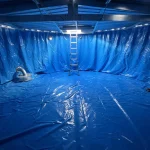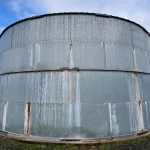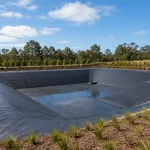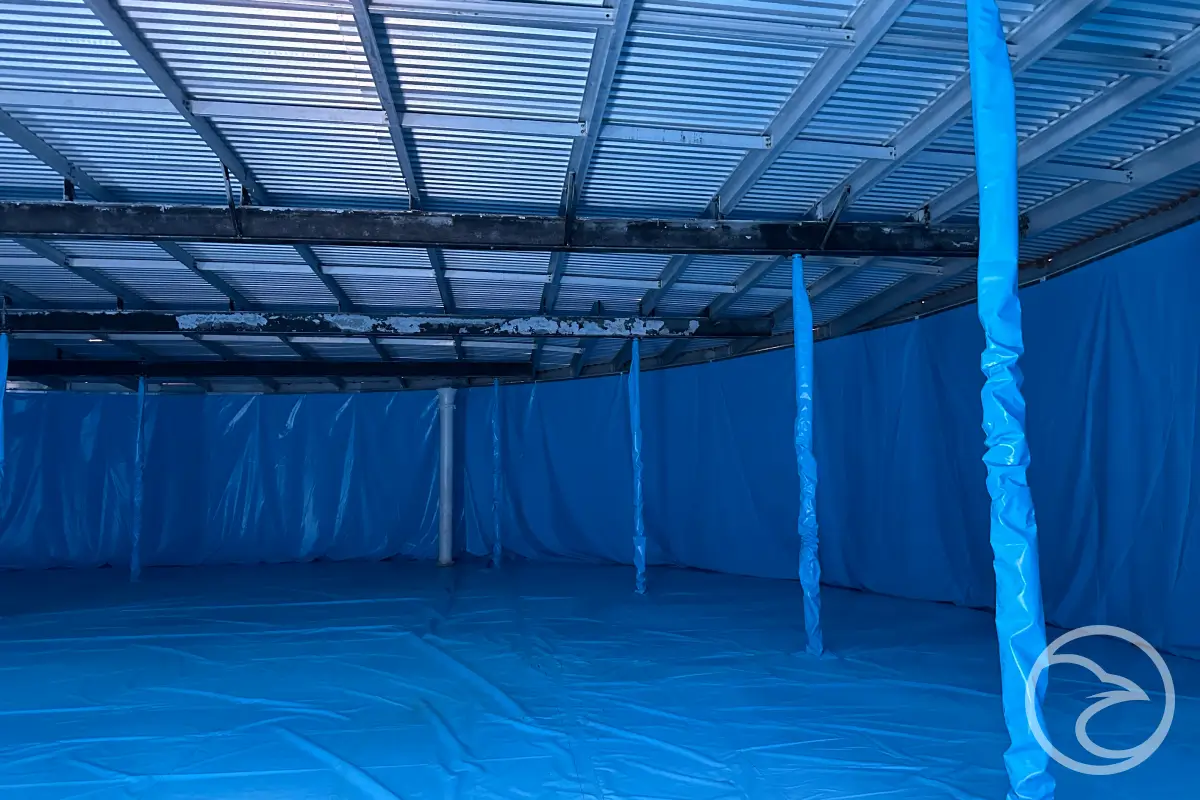
Tank liner installation quality plays a major role in long-term containment performance. Poor installation can lead to leaks, liner damage, contamination, and expensive repairs. Many liner failures are caused by avoidable installation mistakes.
Understanding common installation problems can help improve system reliability and reduce maintenance costs. Businesses investing in tank liner installation often focus on durability, safety, and operational performance.
Proper planning and installation methods help support those goals.
Poor Surface Preparation
Surface preparation is one of the most common causes of liner failure. Dirty or damaged surfaces can reduce liner stability and sealing performance. Sharp materials may also puncture the liner over time.
Several preparation problems can affect installation quality:
- Debris left inside the tank
- Rough or uneven surfaces
- Corrosion damage
- Moisture buildup
- Poor drainage conditions
Proper surface preparation helps improve liner durability and long-term performance. Clean and stable surfaces also support secure liner fitting.
Choosing the Wrong Liner Material
Different liner materials perform differently under specific operating conditions. Incorrect material selection may reduce chemical resistance and overall lifespan. Environmental conditions should always be considered during liner selection.
Common factors affecting liner performance include:
- UV exposure
- Water quality
- Chemical contact
- Temperature variation
- Tank operating conditions
Industrial tanks often require specialised liner systems for demanding environments. Selecting the correct liner material helps reduce future maintenance problems.
Incorrect Liner Sizing
Incorrect liner sizing can create stress points and uneven tension. Oversized liners may shift during operation.
Undersized liners may stretch excessively and reduce structural stability. Accurate measurements are essential before installation begins.
Several tank features influence liner sizing:
- Tank dimensions
- Internal fittings
- Pipe penetrations
- Overflow systems
- Tank shape
Correct liner sizing supports proper fitting and long-term containment reliability.
Poor Sealing Around Connection Points
Connection points are common leak areas in tank liner systems. Poor sealing can allow water or chemicals to escape over time. Pipe penetrations and outlet systems require careful installation methods.
Common sealing problems include:
- Weak seam connections
- Incorrect fixing methods
- Poor edge sealing
- Inadequate weld quality
- Loose fittings
Reliable sealing systems help maintain containment integrity under changing operating conditions. Proper sealing also improves long-term liner stability.
Ignoring Environmental Conditions
Environmental exposure can affect liner performance significantly. High temperatures and UV exposure may weaken some liner materials.
Heavy rainfall and moisture can also influence installation conditions. Australian operating environments often create demanding conditions for liner systems.
Installation planning should consider:
- Local climate conditions
- Sun exposure
- Seasonal temperature changes
- Chemical exposure
- Water level variation
Environmental planning helps improve liner lifespan and reduce future failures.
Inadequate Quality Control
Poor quality control may allow installation problems to remain unnoticed. Small issues can become major failures after the system becomes operational. Quality checks should occur throughout the installation process.
Common inspection areas include:
- Liner alignment
- Seam integrity
- Surface contact
- Sealing quality
- Structural compatibility
Regular inspections help improve installation reliability and operational performance. Many businesses researching tank liner installation stages focus heavily on quality control and preparation procedures.
Improper Handling During Installation
Tank liner materials require careful handling during transport and installation. Dragging or folding liners incorrectly may create hidden damage. Improper handling can weaken the liner before operation begins.
Common handling mistakes include:
- Dragging liners across rough surfaces
- Folding materials incorrectly
- Storing liners in direct sunlight
- Using sharp installation tools
- Excessive stretching during fitting
Careful handling procedures help protect liner integrity throughout the installation process.
Lack of Ongoing Maintenance
Installation quality alone does not guarantee long-term performance. Regular inspections help identify problems before serious damage occurs. Ignoring small issues may increase repair costs over time.
Preventive maintenance activities may include:
- Visual liner inspections
- Checking seam condition
- Monitoring water loss
- Inspecting fittings and penetrations
- Cleaning debris buildup
Routine maintenance helps extend liner lifespan and improve operational reliability. Facilities using professional tank liners installation service often combine installation with long-term inspection programs.
The Importance of Professional Installation Methods
Tank liner systems require careful planning, preparation, and installation methods. Many common installation problems are preventable with proper procedures and quality control. Successful installation depends on accurate measurements, suitable liner materials, and reliable sealing systems.
Environmental conditions and long-term operating requirements should also be considered during planning. Understanding common installation mistakes can help businesses improve containment reliability and reduce long-term maintenance costs.