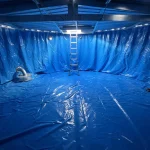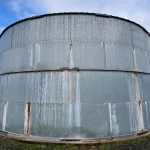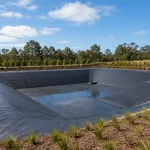
Lined storage systems are widely used to improve liquid containment reliability across agricultural, industrial, municipal, and environmental infrastructure. Liners help reduce seepage, protect structural surfaces, and support long-term storage stability. However, even well-designed systems can sometimes develop leakage over time.
Understanding the causes of leakage in lined storage systems helps operators, engineers, and infrastructure planners anticipate risks, monitor performance more effectively, and maintain safe storage conditions.Installation Conditions and Structural Preparation
One of the most common contributors to leakage is the condition of the underlying structure before lining is applied. Uneven surfaces, sharp edges, debris, or inadequate preparation can create stress points that affect liner performance over time.
Ground movement, settling foundations, or structural shifts may also influence liner behaviour. While liners provide an additional containment barrier, they still depend on stable support conditions to function effectively.
Regular inspection of structural conditions can help identify early warning signs before leakage becomes significant.
Environmental Factors and External Pressures
Environmental conditions play a major role in long-term liner performance. Temperature fluctuations, UV exposure, soil movement, and water chemistry can gradually influence material behaviour.
Examples of environmental influences include:
- seasonal expansion and contraction
- soil pressure changes around reservoirs or tanks
- prolonged sun exposure in open storage systems
- biological or chemical interaction with stored liquids
These factors do not always cause immediate problems, but over time they can contribute to wear patterns that increase leakage risk.
Aging and Material Fatigue
All engineered containment systems experience gradual aging. Liners are designed for durability, yet continuous exposure to liquids, environmental stress, and operational cycles naturally leads to material fatigue.
This process may include:
- gradual elasticity loss
- surface wear or thinning
- minor seam stress over extended periods
- changes in flexibility due to environmental exposure
Understanding how materials age helps infrastructure managers plan maintenance schedules and monitor storage performance proactively.
For broader insights into protective liner approaches used in containment infrastructure, many resources discuss how engineered barrier systems support long-term storage reliability without focusing on specific service applications.
Operational Factors and Usage Patterns
Leakage risks can also relate to how storage systems are used. Frequent filling and emptying cycles, unexpected pressure variations, or operational adjustments may affect liner stability over time.
Operational considerations include:
- fluctuating liquid levels
- changing stored materials
- maintenance activities near storage areas
- equipment interaction with lined surfaces
Awareness of these factors helps ensure storage practices remain compatible with long-term containment performance.
Monitoring and Preventive Awareness
Early detection remains one of the most effective ways to manage leakage risks. Routine monitoring, visual assessments, and performance tracking help identify potential issues before they escalate.
Preventive awareness strategies may involve:
- periodic inspections
- performance documentation
- environmental condition tracking
- infrastructure lifecycle planning
A proactive approach allows organisations to maintain reliable storage conditions while minimising unexpected disruptions.
A Balanced Perspective on Lined Storage Reliability
While leakage can occur in lined storage systems, properly designed and maintained containment solutions remain highly effective for liquid storage across many sectors. Most issues develop gradually rather than suddenly, which means informed monitoring and awareness play a crucial role in long-term reliability.
To better understand how containment barriers function, it can be helpful to review broader information about liner protection in storage systems and how it supports long-term reliability.
Understanding the causes of leakage in lined storage systems supports better decision-making, safer infrastructure management, and more predictable operational outcomes over time.