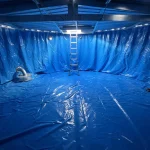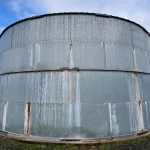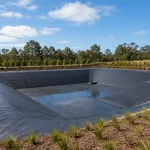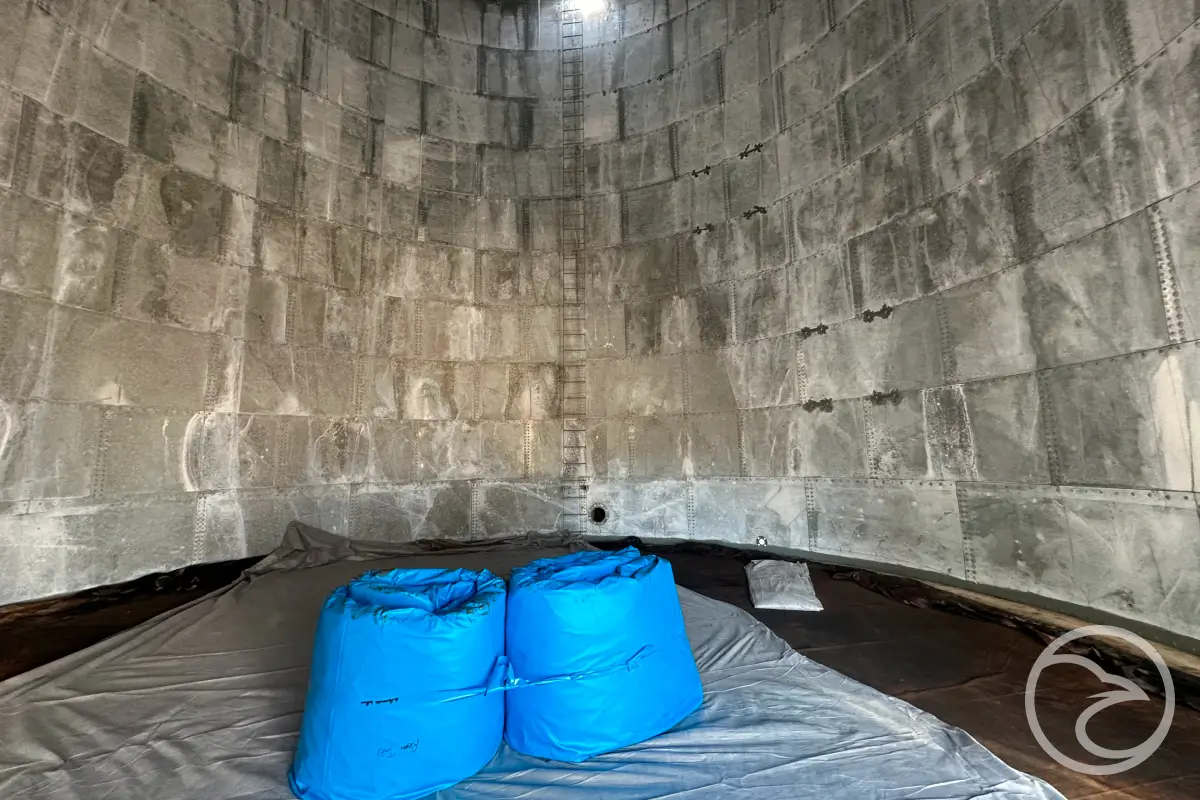
Tank liner installation plays an important role in protecting water storage and containment systems. A properly installed liner helps prevent leaks, corrosion, contamination, and structural damage.
Installation quality also affects long-term tank performance and maintenance requirements. Different industries rely on liner systems for water storage, chemical containment, wastewater management, and fire protection applications.
Understanding the key installation stages can help improve project planning and long-term reliability. Businesses investing in tank liner installation often focus on durability, compliance, and operational efficiency.
Initial Tank Assessment
Every successful installation begins with a detailed tank assessment. Tank size, structure, operating conditions, and stored materials all influence liner selection.
Older tanks may also require repairs before installation begins. A thorough assessment helps identify potential issues early in the project.
Common assessment factors include:
- Tank dimensions and configuration
- Existing structural condition
- Water or chemical exposure
- Surface wear and corrosion
- Drainage and access requirements
Proper planning helps reduce installation delays and long-term liner failures.
Choosing the Right Tank Liner Material
Different liner materials perform better under different operating conditions. Selecting the correct material improves durability and containment performance.
Common tank liner materials include:
- PVC liners
- HDPE liners
- Reinforced membrane liners
- Potable water liners
- Chemical-resistant liners
Environmental exposure also affects liner performance. UV exposure, temperature variation, and chemical contact can influence material lifespan.
Industrial facilities often require specialised liner systems for demanding environments. Choosing the correct liner system helps reduce future maintenance requirements.
Surface Preparation Before Installation
Surface preparation is one of the most important installation stages. Poor preparation can reduce liner performance and create sealing problems. The tank surface must be clean, stable, and free from sharp materials.
Common preparation activities include:
- Removing debris and contaminants
- Cleaning internal tank surfaces
- Repairing damaged areas
- Smoothing rough surfaces
- Checking drainage systems
Proper preparation supports secure liner fitting and long-term leak protection. Many liner failures begin with inadequate surface preparation.
Liner Positioning and Fitting
Accurate liner positioning helps ensure effective containment performance. Incorrect fitting may create stress points or uneven liner tension. Installation teams carefully position the liner within the tank structure before securing the system.
Several factors affect liner fitting quality:
- Tank shape and dimensions
- Liner flexibility
- Connection points
- Pipe penetrations
- Sealing requirements
Professional installation methods help improve liner stability and long-term reliability. Proper fitting also reduces the risk of future movement or liner damage.
Sealing and Connection Points
Connection points require careful attention during installation. Poor sealing can result in leaks, contamination, and reduced system performance.
Common sealing areas include:
- Pipe penetrations
- Outlet connections
- Overflow systems
- Tank corners
- Edge fixing systems
Reliable sealing helps maintain containment integrity under changing operating conditions. Industrial tanks often experience pressure changes and environmental exposure.
Strong sealing systems help maintain long-term liner performance.
Quality Control During Installation
Quality control plays an important role throughout the installation process. Regular inspections help identify problems before the system becomes operational.
Several installation factors are commonly checked:
- Liner alignment
- Surface contact
- Seam integrity
- Sealing quality
- Structural compatibility
Testing procedures may also be completed before final commissioning. Early quality checks help reduce future maintenance and repair costs. High installation standards also improve operational reliability.
Businesses researching tank liner installation mistakes often discover that poor quality control causes many avoidable failures.
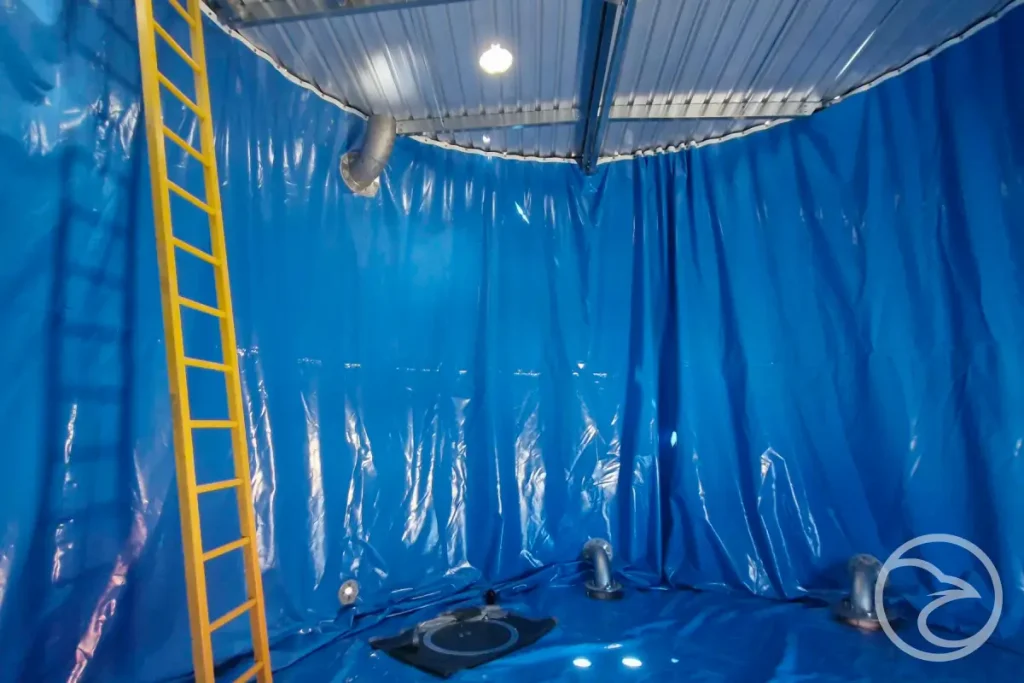
Environmental and Operational Considerations
Tank liner systems operate under different environmental conditions across Australia. Temperature changes, UV exposure, and chemical contact can influence liner performance. Operational requirements also vary between industries.
Agricultural tanks may experience seasonal water level changes. Industrial facilities may require chemical resistance and strict containment performance.
Several factors should be considered during installation planning:
- Local climate conditions
- Exposure to sunlight
- Stored material type
- Tank usage frequency
- Maintenance accessibility
Understanding these conditions helps improve long-term liner durability.
Ongoing Inspection and Maintenance
Regular inspections help maintain liner performance after installation. Small issues can become larger problems if ignored for long periods. Routine maintenance helps identify wear, movement, or sealing issues early.
Common maintenance activities include:
- Visual liner inspections
- Checking sealing systems
- Monitoring water loss
- Inspecting connection points
- Cleaning debris buildup
Preventive maintenance can help extend liner lifespan significantly. Long-term inspection programs also support operational reliability and compliance requirements.
Many facilities combine maintenance planning with professional tank liners installation service to improve long-term system performance.
The Importance of Professional Installation
Tank liner systems require careful planning, preparation, and installation methods. Installation quality directly affects containment reliability and liner lifespan. Professional installation also helps reduce the risk of leaks, premature wear, and operational disruption.
Successful projects depend on proper material selection, surface preparation, sealing, and quality control. Understanding the key installation stages can help businesses make informed decisions when planning future tank liner projects.