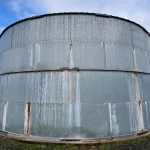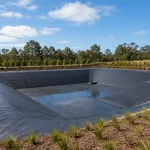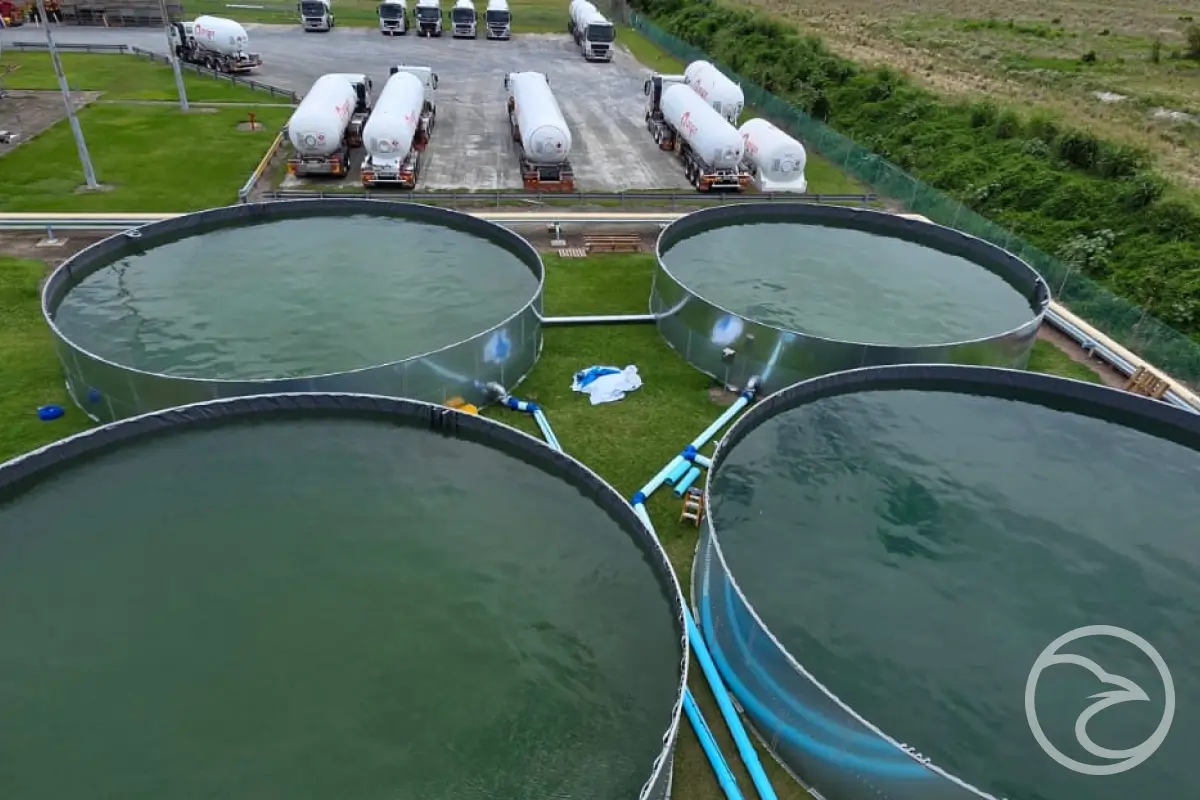
Water storage is essential for many agricultural and rural properties. Farms often depend on stored water for livestock, irrigation, spraying, cleaning, and general operations. Reliable storage becomes particularly important during dry periods or when water supply is limited.
However, the tank structure alone does not always provide suitable long-term water containment. Age, corrosion, cracking, surface deterioration, and water conditions can affect tank performance. This is where an agricultural tank liner can play an important role.
Agricultural tank liners create a protective barrier between stored water and the tank structure. They can be installed in new tanks or used to extend the usefulness of suitable existing tanks. Different liner materials are available for different water storage requirements.
Choosing the right rural tank liner requires more than selecting a particular thickness or material. Tank construction, stored water, temperature, exposure, installation conditions, and intended application should all be considered.
This guide explains agricultural tank liners, their uses, materials, benefits, lifespan, common problems, and key selection factors.
What is an Agricultural Tank Liner?
An agricultural tank liner is a flexible membrane installed inside a water storage tank. It creates a watertight barrier that contains the stored liquid.
The liner separates the water from the original internal tank surface. This can be useful when the tank material requires additional protection or has experienced deterioration.
Agricultural tank liners are commonly associated with rural water storage. However, the exact liner specification depends on the tank and application.
A liner system may include more than the membrane itself. Depending on the installation, it can involve protective underlay, fixings, penetrations, and other components.
The liner must work with the complete tank structure. It should not be considered independently from the tank supporting it.
What are Rural Tank Liners?
The terms agricultural tank liner and rural tank liner are often used for similar products. Both generally describe lining systems used for water storage on farms and rural properties.
Rural applications can place unique demands on storage tanks. Tanks may be located outdoors and exposed to changing temperatures, sunlight, dust, and challenging site conditions.
Water sources can also vary considerably. A single property may use rainwater, bore water, surface water, or another supply.
Rural tank liners provide a flexible water containment solution for these environments. Their suitability depends on the liner material and the intended use.
Why are Agricultural Tank Liners Important?
A water tank is an important piece of infrastructure on many farms. Problems with storage can affect everyday operations and water availability. Tank liners provide an additional containment layer inside the structure. This can help isolate stored water from the underlying tank surface.
They can also provide a practical option for suitable older tanks. A tank structure may remain usable while its internal surface becomes unsuitable for reliable containment. Instead of automatically replacing the complete tank, installing a liner may sometimes be considered.
Agricultural tank liners can help:
- provide reliable water containment;
- separate water from the tank structure;
- reduce direct contact with deteriorating surfaces;
- support the continued use of suitable existing tanks;
- manage leakage associated with certain surface defects;
- provide a new internal containment layer;
- support different agricultural water storage applications.
A liner does not repair every structural problem. The underlying tank must still be suitable for the proposed installation. Visit our rural tank liners page to explore durable lining solutions designed for agricultural water storage systems.
Where are Agricultural Tank Liners Used?
Agricultural tank liners can be used across a wide range of rural properties. Common locations include farms, livestock facilities, horticultural operations, nurseries, vineyards, orchards, and other agricultural sites.
They can support water storage for:
- livestock;
- irrigation;
- crop production;
- washdown;
- rainwater collection;
- general farm use;
- emergency storage;
- agricultural processes.
The required liner can differ significantly between these applications. Water intended for livestock may have different requirements from process water or irrigation storage. Understanding the intended use should therefore come before material selection.
Where water is stored in agricultural dams rather than tanks, farm dam liners provide a suitable lining option.
What Types of Tanks can be Lined?
Tank liners can be used with several types of water storage tanks. However, suitability depends on the tank’s structure and condition.
Common examples include:
Steel Tanks
Steel tanks are widely used for agricultural water storage. Over time, internal corrosion can become a concern. A liner creates a barrier between stored water and the tank wall. However, severe structural corrosion must be assessed before lining.
Concrete Tanks
Concrete tanks can develop cracks, surface deterioration, or leakage over time. A flexible liner may provide an alternative containment layer. The concrete surface must still be prepared correctly. Sharp or unstable areas can damage the liner.
Corrugated Tanks
Corrugated metal tanks are common on rural properties. Liners can provide internal containment while the external structure supports the water load. Protective underlay may be important because of the tank profile and condition.
Older Water Tanks
Ageing tanks may sometimes be candidates for relining rather than complete replacement. This depends on their structural condition. A liner should never be used simply to hide serious structural deterioration.
The supporting tank must remain capable of safely carrying the required loads.
Agricultural Tank Liners for New Tanks
Tank liners are not only used for old or leaking tanks. They can also form part of a new water storage system. In some tank designs, the structure provides support while the liner provides water containment. This approach can offer flexibility for agricultural installations. The liner specification can be selected according to the stored water and operating conditions.
Correct installation remains essential. Poor preparation or incorrect fitting can shorten the liner’s service life even when the tank is new.
Planning a liner project? Our tank liner cost guide in Australia explains the main factors that can affect the overall cost.
Agricultural Tank Liners for Existing Tanks
Existing rural tanks can develop internal problems while remaining structurally usable. Common examples include surface corrosion, minor leakage, ageing coatings, or local deterioration. A liner can create a new internal barrier without relying entirely on the original tank surface for watertightness.
Before installation, the existing tank should be assessed. The purpose is to determine whether it can safely support the liner and stored water. Existing problems may also require preparation or repair before lining begins.
Common Agricultural Tank Liner Materials
There is no single liner material suitable for every agricultural application. Material selection should consider the stored liquid, tank conditions, temperature, exposure, and required service life.
PVC Liners
PVC is used in many flexible lining applications. It can provide good flexibility and can be manufactured to suit different tank dimensions. Its suitability depends on the specific formulation and application. Not every PVC liner is designed for every type of stored water.
Temperature, chemical compatibility, and exposure conditions should be checked.
Polyethylene Liners
Polyethylene materials are commonly used for water containment applications. Different polyethylene products can have different properties. They should not all be treated as interchangeable.
Depending on the product, advantages can include chemical resistance, durability, and low water absorption.
Reinforced Liner Materials
Some liners incorporate reinforcement to improve mechanical performance. Reinforced membranes can provide additional dimensional stability and resistance to certain stresses.
The required reinforcement depends on tank design and operating conditions.
Potable Water Approved Materials
If water is intended for drinking or other potable applications, material selection becomes particularly important. The liner should be suitable for contact with potable water and meet applicable requirements.
A liner designed for general agricultural water should not automatically be assumed suitable for drinking water.
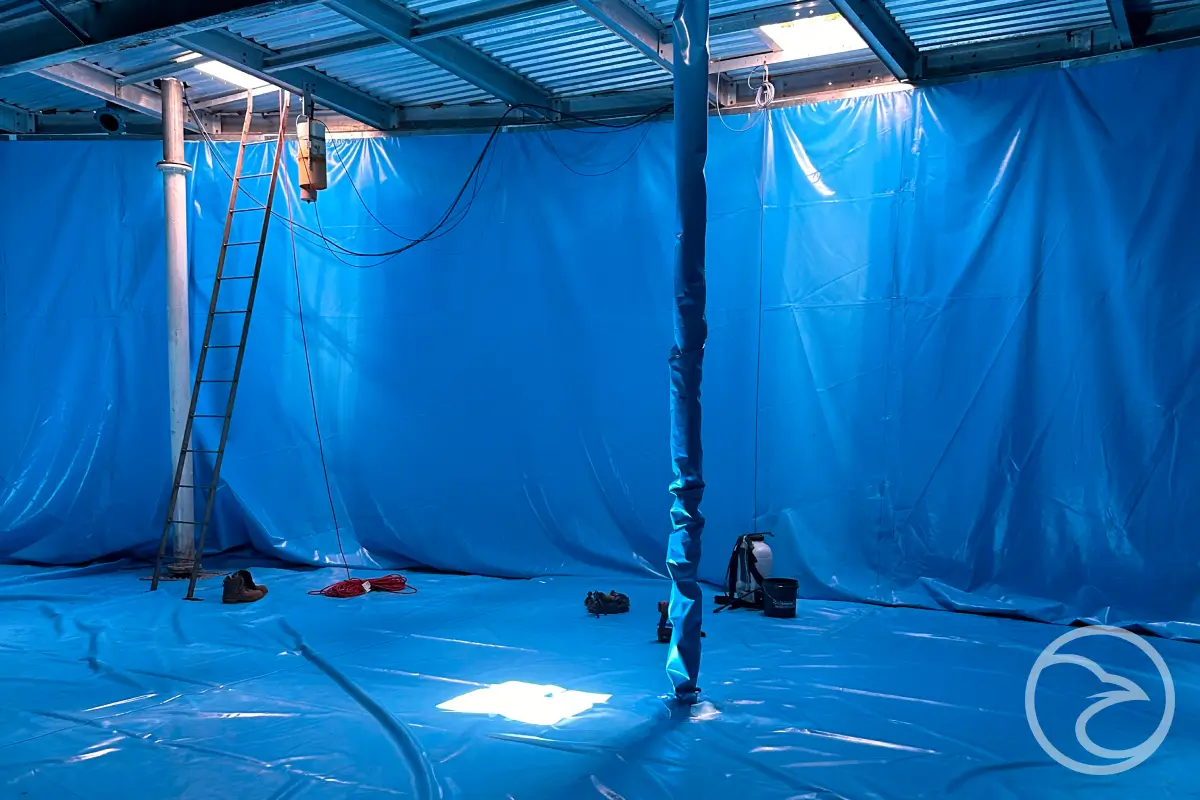
How to Choose the Right Agricultural Tank Liner
Choosing a liner should begin with the application rather than the product. Several factors should be reviewed before making a decision.
1. What Will the Tank Store?
This is one of the most important questions. Different liquids can interact differently with lining materials. A liner suitable for rainwater may not be suitable for another stored liquid.
The exact intended contents should therefore be confirmed.
2. Is the Water Potable?
Drinking water applications can require materials approved for potable water contact. This requirement should be established before selecting the liner.
3. What is the Tank Made From?
Steel, concrete, and other tank materials create different installation conditions. Surface texture, corrosion, joints, and existing coatings can affect preparation.
4. What Condition is the Tank in?
An old tank should be assessed before lining. Look for significant corrosion, structural movement, damaged supports, sharp surfaces, or major cracking.
A liner provides containment. It does not restore lost structural strength.
5. What is the Tank Size and Shape?
Tank dimensions influence liner design and installation. Corners, penetrations, columns, outlets, and other internal features must also be considered.
A liner should fit the actual tank configuration.
6. What Temperatures will it Experience?
Water temperature and environmental conditions can influence liner performance. Outdoor agricultural tanks can experience considerable temperature changes throughout the year.
The selected material should suit those conditions.
7. Will the Liner be Exposed to Sunlight?
UV exposure can affect some liner materials. This is especially important during installation or where sections remain exposed.
Material specifications should reflect expected exposure conditions.
8. What is the Expected Service Life?
Initial cost should not be the only selection factor. A cheaper liner with unsuitable properties can create higher costs later.
Consider expected lifespan, maintenance requirements, installation quality, and replacement complexity.
Why Correct Liner Sizing Matters
A tank liner should match the dimensions and configuration of the tank. A liner that is too tight may experience unnecessary stress. A liner with excessive material can develop folds or movement. Tank measurements should consider more than diameter and height.
Installers may need to account for:
- tank walls;
- floor dimensions;
- corners;
- roof supports;
- outlets;
- inlets;
- overflow connections;
- access points;
- internal structures.
Accurate measurement helps reduce unnecessary stress after filling. Professional tank liner installation services can help ensure the liner is correctly fitted, secured, and prepared for long-term use.
The Importance of Tank Preparation
Good liner performance starts before the liner enters the tank. The underlying surface should be assessed for anything that could damage the membrane.
Potential concerns include:
- sharp edges;
- exposed bolts;
- corrosion;
- rough concrete;
- loose material;
- damaged surfaces;
- old fittings;
- debris.
Protective underlay may be installed between the tank structure and liner. Its purpose is to reduce direct contact with potentially damaging surfaces. Preparation requirements depend on the tank and liner system.
Key Benefits of Agricultural Tank Liners
A properly selected liner can provide several practical advantages.
Improved Water Containment
The liner forms a continuous barrier designed to hold stored water. This can help manage leakage through suitable existing tank surfaces.
Protection From the Existing Tank Surface
The membrane separates water from the underlying tank. This can be useful where ageing internal surfaces create containment concerns.
Potential Extension of Tank Use
Some structurally suitable older tanks can continue operating after relining. This can avoid unnecessary complete replacement in appropriate situations.
Flexibility
Liners can be manufactured for tanks of different sizes and configurations. This makes them suitable for many rural storage systems.
Compatibility with Different Applications
Different liner materials can be selected for different water storage needs. The important factor is matching the material to the application.
Reduced Dependence on Internal Coatings
A liner creates a separate containment barrier. It does not depend entirely on the original tank wall remaining watertight.
How Long do Agricultural Tank Liners Last?
There is no universal lifespan for every agricultural tank liner. Service life varies according to the material, installation, environment, and operating conditions. A quality liner can often provide many years of service when correctly specified and installed.
However, quoting one lifespan for every product can be misleading.
Factors affecting longevity include:
- liner material;
- membrane thickness;
- water chemistry;
- temperature;
- UV exposure;
- installation quality;
- tank condition;
- surface preparation;
- mechanical damage;
- maintenance;
- operating conditions.
The way a liner is installed can be just as important as the material itself. A durable membrane installed over an unsuitable surface can fail prematurely.
What Causes Agricultural Tank Liner Problems?
Tank liners can develop problems for several reasons. Understanding the cause is important because replacing damaged material without correcting the source may lead to repeated failure.
Poor Surface Preparation
Sharp or rough surfaces can create concentrated pressure against the membrane. Repeated movement may eventually cause abrasion or punctures.
Incorrect Liner Selection
A liner should be compatible with the stored liquid and operating environment. Using an unsuitable material can lead to premature deterioration.
Incorrect Sizing
Excessive tension can place stress on the liner. Too much loose material can also create folds and movement. Correct dimensions help the liner settle properly as the tank fills.
Mechanical Damage
Tools, equipment, ladders, or other objects can damage liner surfaces. Care is especially important during installation and maintenance.
Damaged Fittings
Inlets, outlets, and other penetrations require careful detailing. Movement or poor sealing around these areas can create leaks.
Structural Tank Problems
A liner moves with the tank environment. If the supporting structure shifts, cracks, or deforms significantly, the liner can experience additional stress.
Ageing
Flexible materials change with time. Long-term exposure to operating conditions can gradually reduce flexibility or mechanical performance.
Common Problems with Rural Tank Liners
Some issues are easier to identify than others.
Common warning signs can include:
- unexplained water loss;
- visible tears;
- punctures;
- excessive wrinkles;
- movement around fittings;
- damaged seams;
- leakage around penetrations;
- liner displacement;
- visible abrasion;
- deterioration in exposed areas.
Not every reduction in water level is caused by the liner. Pipework, valves, fittings, and evaporation should also be considered. The source should be identified before repair begins.
What Should You do if a Tank Liner is Damaged?
The first step is to determine the location and extent of the problem. Avoid assuming that every leak requires a complete new liner. Small, localised damage may sometimes be repairable.
The appropriate response depends on:
- liner material;
- damage location;
- damage size;
- liner age;
- surrounding condition;
- accessibility;
- cause of failure.
A puncture caused by a sharp tank component should not simply be patched. The sharp component should also be removed, repaired, or isolated.
Can Agricultural Tank Liners be Repaired?
Some liner damage can be repaired when it is localised and accessible. Repair techniques depend on the liner material. A compatible repair method is essential. Materials and joining techniques should match the original membrane requirements.
Repairs may be appropriate for certain:
- punctures;
- tears;
- seam issues;
- local fitting problems;
- isolated damaged areas.
More widespread deterioration may make replacement more practical. The overall condition should be considered before investing in repeated local repairs.
When Should a Rural Tank Liner be Replaced?
Replacement may become appropriate when the liner can no longer provide dependable containment. One small defect does not necessarily justify full replacement. However, multiple failures can indicate broader deterioration.
Replacement may be considered when:
- the liner has widespread damage;
- the material has significantly deteriorated;
- repairs repeatedly fail;
- multiple seams are affected;
- the liner no longer fits correctly;
- the stored liquid requirements have changed;
- the existing material is unsuitable for the application.
The condition of the supporting tank should also be assessed before installing another liner.
Agricultural Tank Liner Maintenance
Tank liners generally require less direct maintenance than many mechanical components. However, they should not be completely forgotten after installation. Routine tank management can help protect the membrane.
Important practices include keeping sharp objects away from the liner and checking accessible fittings. Changes in water level should also be investigated.
Maintenance may include:
- checking penetrations;
- monitoring water loss;
- inspecting accessible liner areas;
- checking fittings and seals;
- removing inappropriate debris;
- monitoring tank movement;
- recording previous repairs.
Cleaning methods should also be compatible with the liner material. Aggressive tools or inappropriate equipment can damage flexible membranes.
Why Tank Inspection Still Matters
A liner can hide the original internal tank surface once installed. This makes pre-installation assessment particularly important. After installation, inspections can focus on visible liner condition, fittings, water levels, and external tank structure.
Facility owners should watch for changes rather than relying only on tank age. Recurring water loss, movement, or fitting problems can indicate a developing issue. Inspection records can help identify whether a condition is stable or becoming worse.
Agricultural Tank Liners and Water Quality
A liner becomes one of the surfaces directly contacting stored water. Material suitability is therefore important. For potable applications, appropriate approved liner materials should be used. Water quality management also extends beyond the liner.
Tank covers, screens, inlets, outlets, cleaning, and water sources can all influence stored water. Installing a new liner does not eliminate the need for good tank maintenance.
Are Agricultural Tank Liners Suitable for Every Tank?
No. A liner can solve containment problems, but it cannot compensate for every structural defect. A severely weakened tank may require structural repair or replacement.
Before lining an existing tank, important questions include:
- Is the structure stable?
- Are the walls adequately supported?
- Is severe corrosion present?
- Is the tank foundation sound?
- Are major cracks developing?
- Are fittings in suitable condition?
- Can sharp surfaces be safely prepared?
The answers help determine whether relining is practical.
Agricultural Tank Liner or New Tank?
This decision depends on the condition of the existing asset. Relining can make sense when the structure remains suitable but water containment has deteriorated. Complete replacement may be more appropriate when structural deterioration is extensive.
Facility owners should consider:
- tank age;
- structural condition;
- liner installation cost;
- future maintenance;
- operational downtime;
- water storage requirements;
- expected service life;
- history of previous problems.
The cheapest immediate option is not always the lowest-cost long-term solution. The goal should be reliable water storage rather than simply delaying another repair.
Planning an Agricultural Tank Liner Project
Good planning reduces the likelihood of premature problems. Start by identifying the exact tank application and stored water requirements. Then assess the existing structure and internal conditions.
The project should consider:
- Tank material and condition.
- Tank dimensions and configuration.
- Intended water application.
- Required liner material.
- Potable water requirements, where applicable.
- Surface preparation.
- Protective underlay requirements.
- Inlets, outlets, and penetrations.
- Installation access.
- Future cleaning and maintenance.
These factors should be considered together. Selecting a liner based only on price or thickness can overlook important operating requirements.
Final Thoughts
Agricultural tank liners provide a flexible solution for water storage across farms and rural properties. They can be used in both new systems and suitable existing tanks. Their role is primarily to create a dependable containment barrier. This separates stored water from the underlying tank structure.
However, successful lining depends on more than the membrane itself. Tank condition, preparation, sizing, fittings, material compatibility, and installation all influence performance.
The intended application should always guide material selection. Potable water, livestock water, irrigation, and general agricultural storage can have different requirements.
Liners can also develop problems over time. Punctures, abrasion, fitting issues, ageing, and structural movement can affect their performance. Localised damage may sometimes be repaired. Widespread deterioration may eventually make liner replacement more appropriate.
Most importantly, a liner should be treated as part of the complete water storage system. The supporting tank must remain structurally suitable.
Correct selection, installation, inspection, and maintenance can help agricultural tank liners provide reliable water containment for many years.