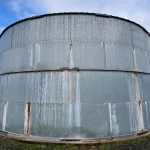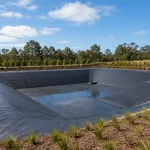
Industrial storage tanks play a critical role in many operations. Over time, even well-maintained tanks can develop corrosion, liner deterioration, and structural damage.
When this happens, facility managers must evaluate tank relining vs tank replacement. The right choice depends on the tank’s condition, budget, downtime requirements, and long-term goals.
Understanding the differences between these options can help organizations make informed decisions.
Understanding Tank Relining
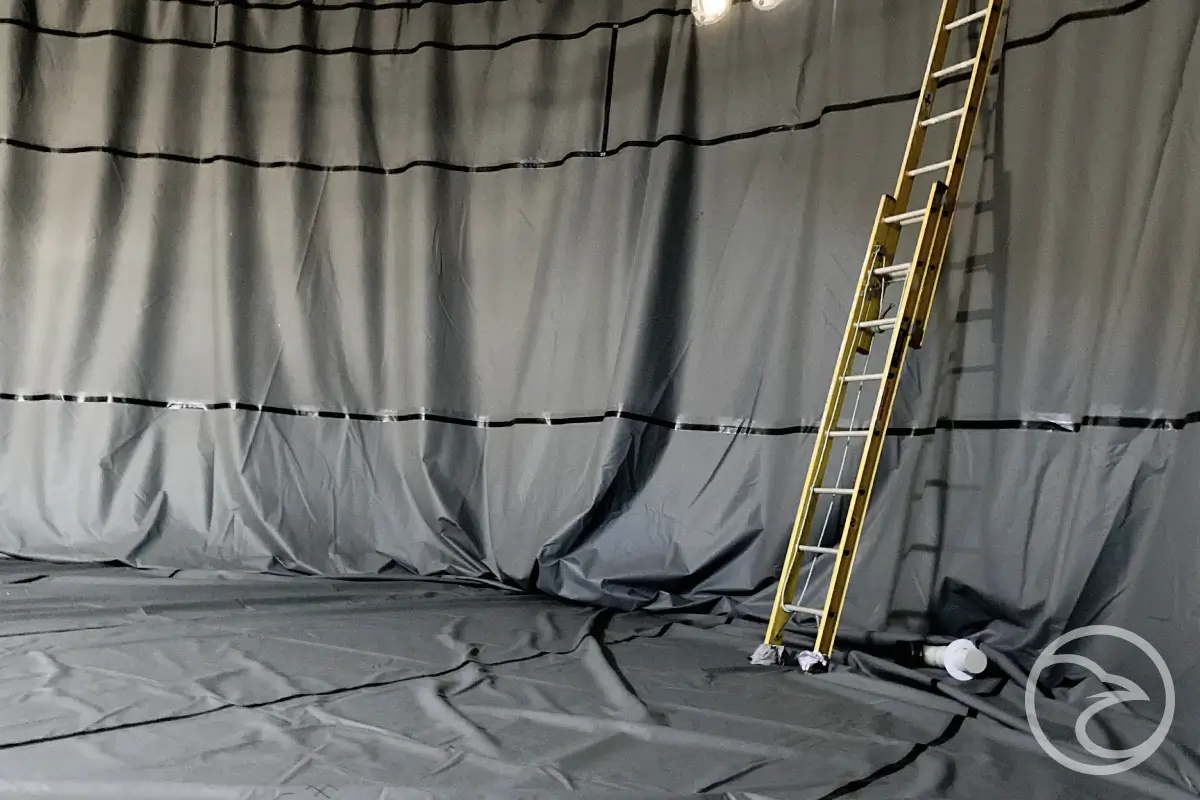
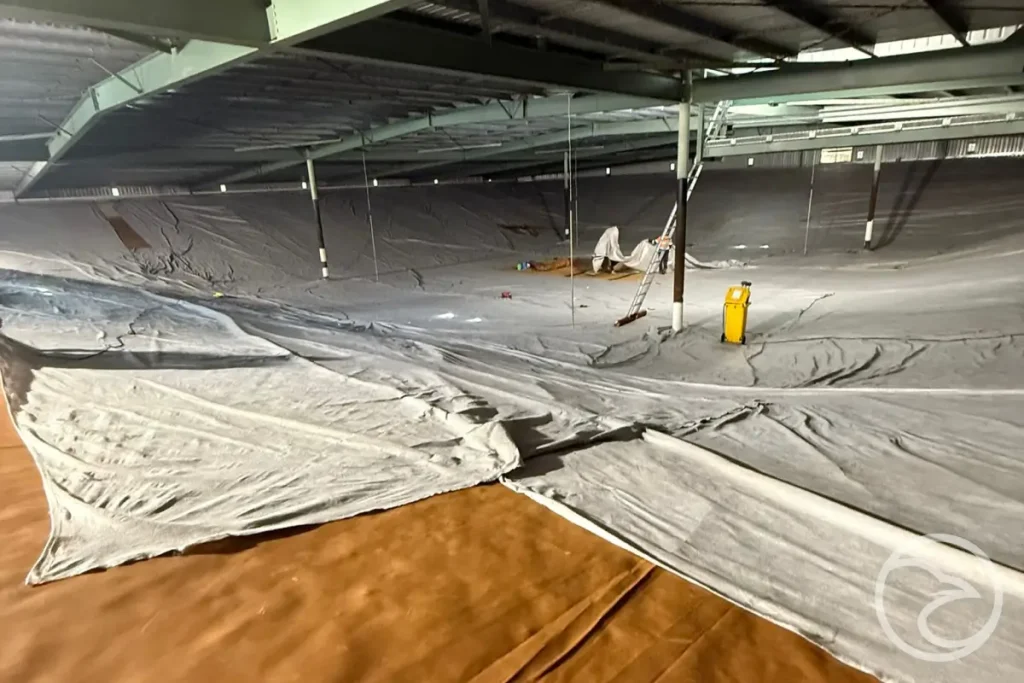
Tank relining involves installing a new liner or protective coating inside an existing tank. The process restores the tank’s internal protection without replacing the entire structure.
Relining is commonly used when the tank shell remains structurally sound, but the internal lining has deteriorated. A properly executed relining project can improve performance and provide years of additional service.
Understanding Tank Replacement
Tank replacement involves removing the existing tank and installing a new one. This option may be necessary when the tank has significant structural damage or has reached the end of its service life.
Replacement provides a completely new system and may allow for upgrades in capacity or design. However, it typically requires more planning, higher costs, and longer downtime.
For some facilities, replacement is the only practical solution. For others, relining may offer a more efficient alternative.
Comparing Initial Costs
Cost is often one of the first considerations. In many cases, relining is less expensive than complete replacement.
Relining generally requires:
- Less material
- Reduced labor
- Minimal site modifications
- Lower transportation costs
Replacement projects often involve:
- Tank removal
- Site preparation
- Equipment installation
- Potential infrastructure upgrades
The overall project scope can significantly increase costs. While every project is different, relining is frequently the more budget-friendly option when structural conditions allow.
Comparing Downtime Requirements
Operational downtime can have a major impact on industrial facilities. Relining projects are often completed faster than replacement projects. Since the existing tank remains in place, fewer construction activities are required.
Replacement projects typically involve multiple stages, including:
- Decommissioning
- Removal
- Site preparation
- Installation
- Testing
These activities can extend project timelines. Facilities with limited flexibility may prefer relining because it often reduces operational interruptions.
Evaluating Tank Condition
The condition of the existing tank should guide the decision-making process. If the tank shell remains structurally sound, relining may be a practical solution.
However, replacement may be necessary when there are issues such as:
- Severe corrosion
- Structural deformation
- Significant wall thinning
- Foundation problems
- Extensive damage
A professional inspection can help determine whether relining remains viable. In some situations, targeted commercial tank repairs may address localized issues and delay the need for larger rehabilitation projects.
Repair assessments often provide valuable information when evaluating future options.
Long-Term Performance Considerations
Both relining and replacement can deliver long-term benefits.
The expected lifespan depends on factors such as:
- Tank design
- Operating conditions
- Stored products
- Maintenance practices
- Installation quality
A professionally installed liner can significantly extend the service life of an existing tank. However, a new tank may provide a longer overall lifecycle if the original structure is already approaching the end of its useful life.
Facilities should evaluate long-term value rather than focusing solely on immediate costs.
Environmental and Compliance Factors
Many industries must comply with strict environmental and operational requirements. Tank condition plays an important role in maintaining compliance.
Deteriorated liners and corroded surfaces can increase the risk of leaks and contamination. Relining can help restore containment performance and support ongoing compliance objectives. In some cases, replacement may be necessary to meet updated operational requirements or accommodate design changes.
Compliance evaluations should be included in the decision-making process.
When Relining Often Makes Sense
Relining may be the preferred option when:
- The tank remains structurally sound
- Internal liners have deteriorated
- Downtime must be minimized
- Budget constraints exist
- Capacity requirements remain unchanged
In these situations, relining can restore performance without the expense of a complete replacement. Many organizations view relining as a practical asset management strategy.
When Replacement may be the Better Choice
Replacement may be the better option when:
- Structural damage is extensive
- The tank has exceeded its design life
- Capacity needs have changed
- Major upgrades are required
- Safety concerns cannot be addressed through relining
Although replacement requires a larger investment, it may provide greater long-term value in these circumstances.
Each facility must balance short-term costs with future operational needs.
The Importance of Ongoing Maintenance
Whether a tank is relined or replaced, maintenance remains essential. Routine inspections help identify issues before they become major problems.
Facilities should continue to maintain commercial tank liners for long-term performance through regular monitoring and preventive maintenance programs. Consistent maintenance supports reliability, extends service life, and helps protect capital investments.
Neglecting maintenance can shorten the lifespan of both new and relined tanks.
Making the Right Decision
There is no universal answer to the relining versus replacement question. The best option depends on the tank’s condition, operational goals, budget, and expected service requirements.
A thorough assessment can provide clarity and help organizations select the most cost-effective path forward. For many facilities, relining offers an opportunity to restore performance while avoiding the expense and disruption associated with replacement.
Others may determine that investing in a new tank better supports long-term objectives.
Conclusion
When evaluating tank relining vs tank replacement, there is no one-size-fits-all answer. The right choice depends on the tank’s condition, operational demands, budget, and long-term objectives. While relining can extend the life of a structurally sound tank at a lower cost, replacement may offer greater value when significant deterioration is present.
Understanding the differences between tank relining vs tank replacement helps facility managers make informed decisions that improve reliability, reduce risk, and support long-term asset performance.