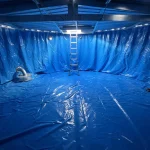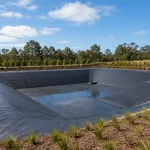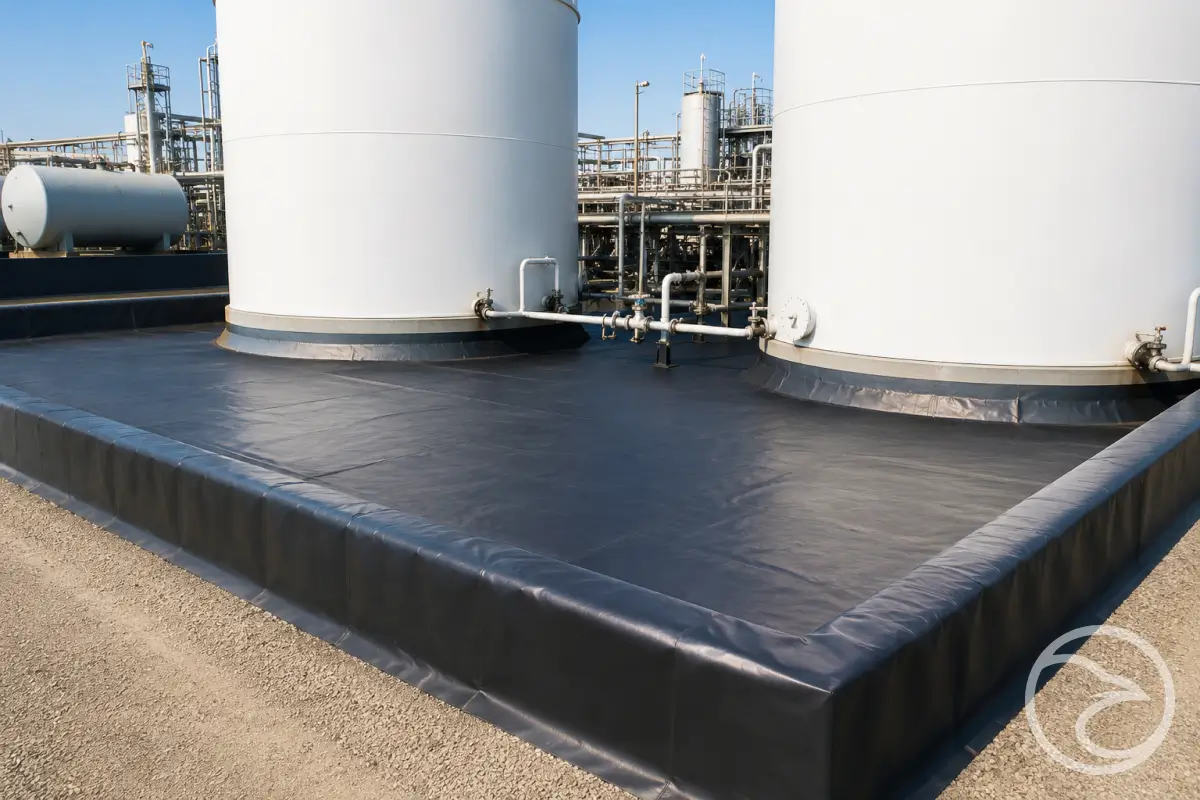
Proper liner installation is critical for long-term containment performance. Even high-quality materials can fail after poor installation. Small installation mistakes often become major operational problems. Leaks and contamination may appear months later.
Many containment failures are preventable. Facilities can reduce risks through proper planning and inspection. This guide explains the most common installation mistakes and how to avoid them.
Why Proper Installation Matters
Containment liners protect soil and groundwater from hazardous liquids. Their performance depends heavily on installation quality.
Poor installation may cause:
- Seam failure
- Material punctures
- Liquid migration
- Premature liner degradation
- Environmental contamination
Installation issues also increase repair and maintenance costs. Facilities should treat installation as a long-term investment. Cutting corners during installation often creates larger future expenses.
For a broader overview of containment systems, explore secondary containment liners.
Inadequate Site Preparation
Site preparation is one of the most overlooked installation stages. Uneven surfaces can damage liners during installation or operation. Sharp rocks and debris increase puncture risks significantly.
Common preparation mistakes include:
- Leaving sharp objects beneath liners
- Poor grading
- Inadequate drainage design
- Insufficient soil compaction
- Ignoring moisture conditions
Proper surface preparation improves liner stability and durability. Installers should inspect the entire containment area before deployment.
Incorrect Material Selection
Some installation problems begin before construction starts. Using incompatible liner materials creates long-term performance risks.
Certain materials may fail under:
- Extreme temperatures
- Chemical exposure
- UV radiation
- Mechanical stress
Facilities should evaluate environmental conditions carefully. Choosing the correct material improves containment reliability.
Learn more in choosing the right material for secondary containment liners.
Poor Seam Welding
Seam failure is one of the most common liner problems. Containment liners often rely on welded seams for leak protection. Weak seams may separate over time under operational stress.
Causes of seam failure include:
- Incorrect welding temperature
- Contaminated surfaces
- Inconsistent pressure application
- Poor technician training
- Inadequate seam testing
Every seam should undergo quality inspection after installation. Proper seam testing helps identify defects before system operation begins.
Ignoring Thermal Expansion
Temperature changes affect liner movement and flexibility. Some materials expand and contract significantly during weather changes. Improper tension during installation may create stress points.
Common thermal expansion issues include:
- Wrinkling
- Excessive stretching
- Seam stress
- Surface distortion
Installers should account for local climate conditions. Correct installation timing also reduces temperature-related problems.
Inadequate Anchor Systems
Containment liners require secure anchoring systems. Improper anchoring may allow liner movement during operation. Wind exposure can also damage unsecured liners.
Anchor-related mistakes include:
- Shallow anchor trenches
- Weak fastening systems
- Poor edge support
- Incorrect trench spacing
Strong anchoring improves system stability and safety. Facilities should inspect anchor systems regularly after installation.
Improper Drainage Design
Poor drainage increases stress on containment systems. Standing water may damage liners over time. Excess liquid weight also increases structural pressure.
Drainage design problems include:
- Inadequate slope
- Blocked drainage channels
- Poor water flow control
- Overflow risks
Effective drainage improves liner lifespan and performance. Facilities should maintain drainage systems consistently.
Installing Liners in Poor Weather Conditions
Weather conditions affect installation quality. Rain, extreme heat, and strong wind create installation challenges. Wet surfaces may reduce seam quality. Strong winds can damage exposed liner sections.
Weather-related installation risks include:
- Surface contamination
- Wrinkling
- Poor weld consistency
- Material handling damage
Experienced installers monitor weather conditions carefully. Delaying installation may reduce long-term failure risks.
Lack of Quality Control Inspections
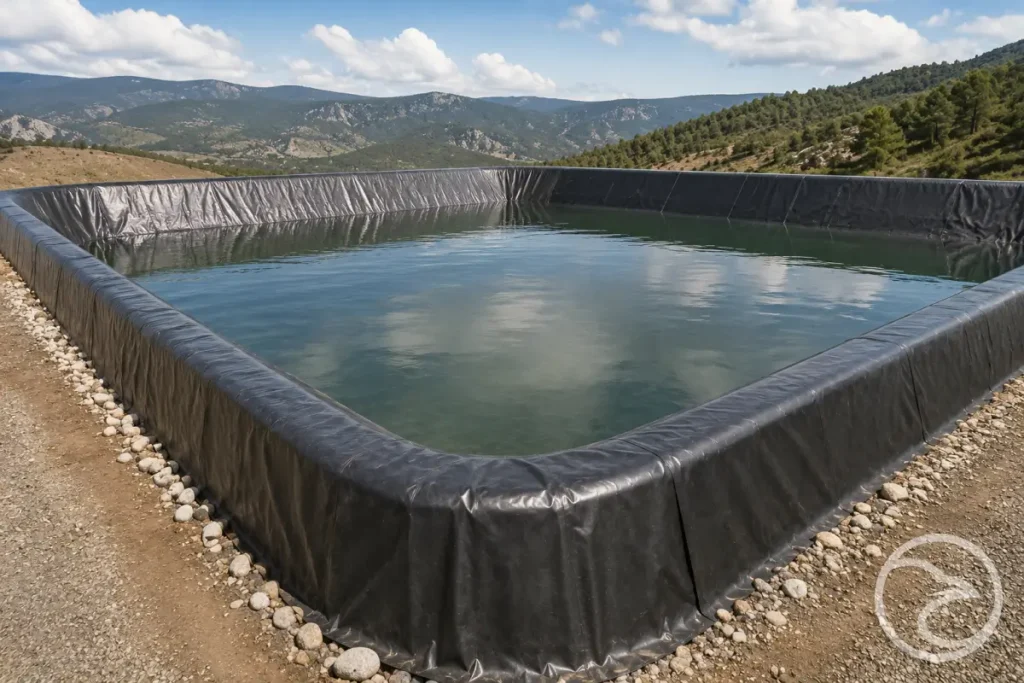
Some failures occur because problems remain unnoticed after installation. Quality control inspections help identify defects early.
Important inspection activities include:
- Seam testing
- Surface inspection
- Thickness verification
- Leak detection testing
- Anchor system inspection
Facilities should document all inspection results. Independent quality assessments may improve project reliability.
Insufficient Installer Experience
Containment liner installation requires technical expertise. Inexperienced crews may overlook critical details. Improper handling can damage liners before operation begins.
Common experience-related issues include:
- Incorrect welding techniques
- Improper material storage
- Poor layout planning
- Weak repair practices
Facilities should work with qualified installation specialists whenever possible. Experienced installers reduce operational and environmental risks.
Delayed Repairs After Installation Damage
Minor liner damage should never be ignored. Small punctures may expand during system operation. Early repairs usually cost less than large-scale remediation.
Common post-installation damage sources include:
- Heavy equipment traffic
- Sharp tools
- Chemical exposure
- UV degradation
- Drainage failures
Routine inspections help detect damage before leaks occur. Read more about environmental risks in how secondary containment liners prevent environmental contamination.
Best Practices for Successful Installation
Facilities can reduce installation risks through careful planning.
Recommended best practices include:
- Conduct detailed site assessments
- Use compatible liner materials
- Hire experienced installation teams
- Perform seam quality testing
- Monitor weather conditions
- Maintain proper drainage systems
- Schedule routine inspections
Preventive planning improves containment performance significantly. Well-installed systems typically require fewer repairs over time.
Long-Term Benefits of Proper Installation
Correct installation improves both safety and operational efficiency.
Reliable systems help facilities:
- Reduce contamination risks
- Improve regulatory compliance
- Lower maintenance costs
- Extend liner lifespan
- Improve environmental protection
Proper installation also reduces operational downtime. Facilities benefit from more stable long-term containment performance.
Final Thoughts
Containment liner installation directly affects system reliability. Small mistakes can create expensive environmental and operational problems.
Facilities should prioritise planning, quality control, and experienced installation teams. Proper installation improves durability and containment performance.
Reliable containment systems support environmental protection and long-term operational safety.