Environmental contamination can cause serious financial and operational damage. Industrial spills may also lead to environmental penalties and cleanup costs. Many facilities store hazardous liquids every day. Even small leaks can spread into soil and groundwater.
This is why containment systems matter. They create a protective barrier between stored liquids and the environment.
In this guide, we explain how containment liners work and why they are important.
What are Secondary Containment Liners?
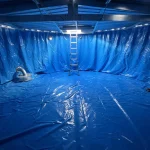
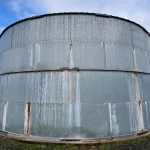
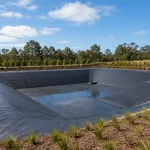
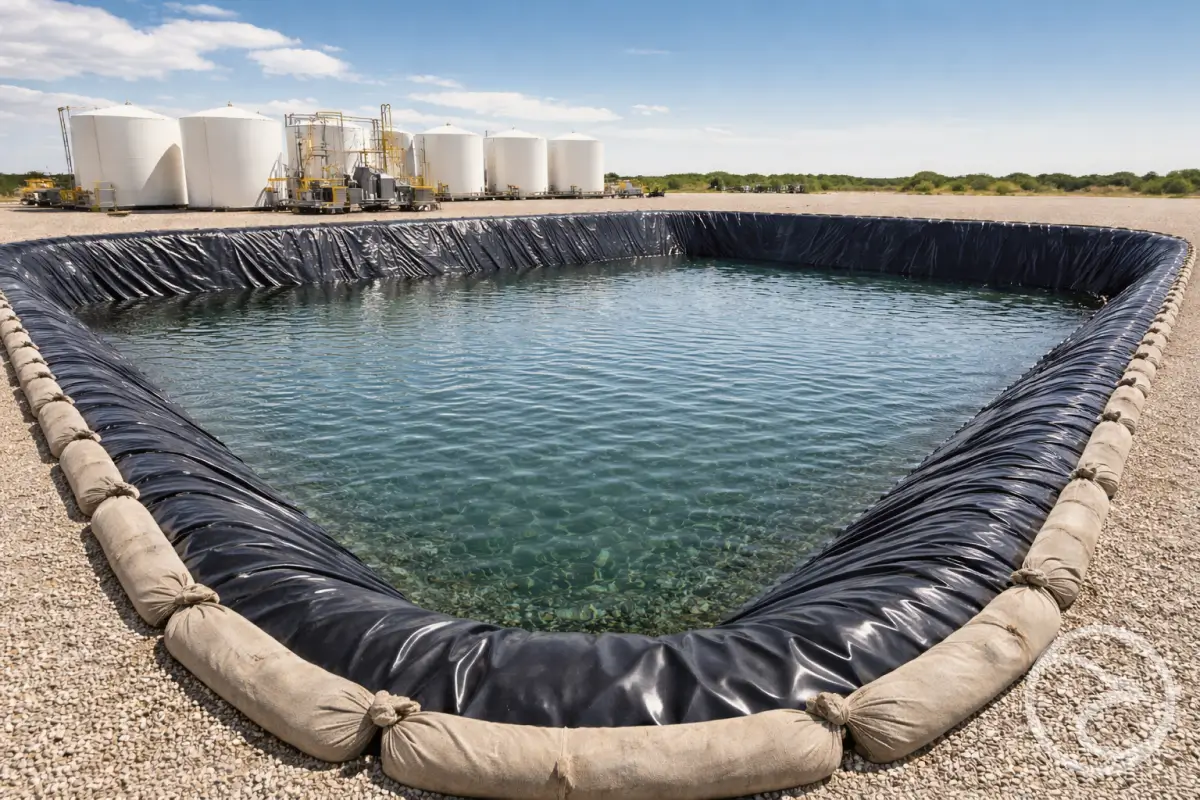
Secondary containment liners are protective barrier systems. They are installed beneath or around tanks, ponds, and storage areas. Their main purpose is simple. They stop hazardous liquids from escaping into surrounding ground.
Most liner systems are made from durable synthetic materials. Common options include HDPE, PVC, and reinforced polyethylene.
Facilities often install liners in:
- Chemical storage areas
- Fuel storage sites
- Wastewater ponds
- Industrial processing zones
- Mining operations
- Agricultural containment areas
A properly installed liner system reduces environmental exposure during leaks or spills.
Why Environmental Contamination is a Serious Risk
Liquid contamination spreads quickly. Once chemicals enter soil, cleanup becomes difficult and expensive. Groundwater contamination can affect nearby ecosystems and communities. Some pollutants remain active for decades.
Environmental incidents may also lead to:
- Regulatory fines
- Operational shutdowns
- Legal disputes
- Insurance complications
- Reputation damage
Industries that handle hazardous materials face higher compliance expectations. Prevention is usually more affordable than remediation.
This is why many facilities invest in engineered containment systems.
How Secondary Containment Liners Work
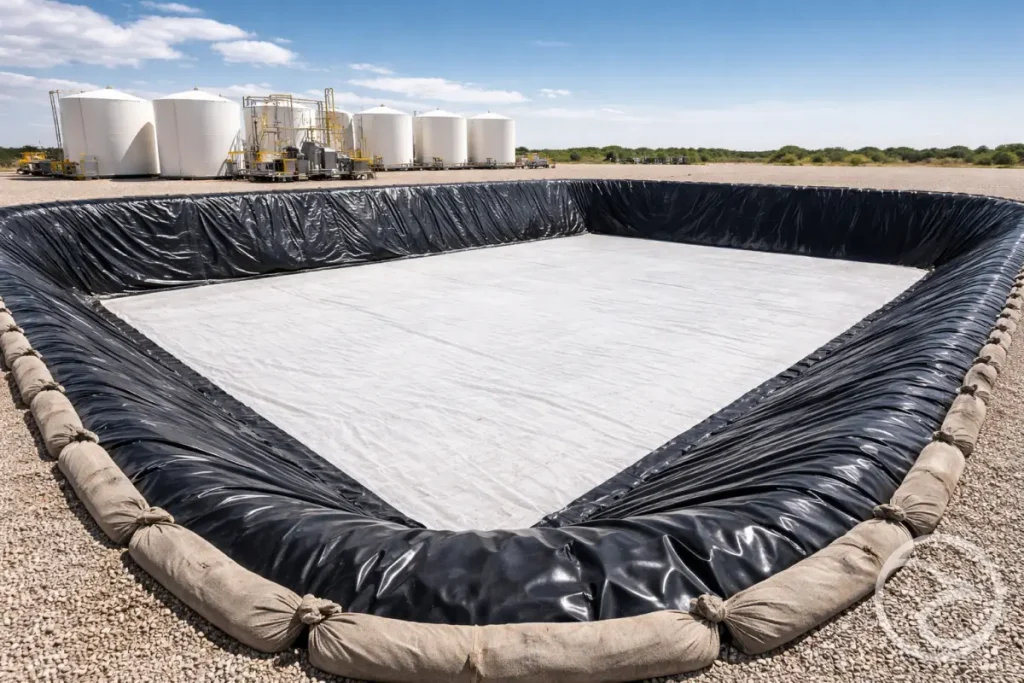
Containment liners create a sealed barrier layer. This barrier prevents liquid migration into surrounding surfaces. Most systems include several protective components.
Typical containment system elements include:
- Primary storage structure
- Secondary containment zone
- Geomembrane liner
- Drainage controls
- Leak monitoring systems
When a leak occurs, the liner captures the liquid inside the containment area.
This allows operators to:
- Detect spills quickly
- Remove hazardous liquids safely
- Prevent soil contamination
- Minimise environmental damage
Many facilities also combine liners with monitoring technologies. Learn more about material selection in choosing the right material for secondary containment liners.
Common Sources of Industrial Contamination
Industrial contamination often starts with small failures. Over time, minor leaks can become major environmental problems.
Common contamination sources include:
- Corroded storage tanks
- Pipe connection failures
- Valve leaks
- Overfilled containers
- Stormwater overflow
- Damaged containment systems
Environmental conditions can increase these risks. Extreme heat and UV exposure may weaken older liner materials. Poor installation also contributes to containment failure. Facilities should inspect containment systems regularly.
Industries That Use Secondary Containment Liners
Many industries rely on containment liners for environmental protection.
Chemical Processing
Chemical facilities store aggressive liquids every day. Containment systems help reduce accidental release risks.
Mining Operations
Mining sites often manage wastewater and chemical runoff. Liners protect surrounding soil and waterways.
Agriculture
Agricultural operations use liners for fertiliser and wastewater storage. Containment reduces environmental impact during overflow events.
Oil and Fuel Storage
Fuel leaks can spread rapidly underground. Containment liners help isolate spills before they expand.
Wastewater Management
Wastewater ponds require reliable leak protection. Liners improve containment performance and regulatory compliance.
Facilities in high-risk industries often use reinforced containment systems.
The Role of Chemical Resistance
Not all liners handle chemicals equally well. Some liquids can damage weaker materials over time. Chemical compatibility is critical for long-term performance.
Important factors include:
- Chemical concentration
- Temperature exposure
- UV resistance
- Material flexibility
- Long-term durability
HDPE liners are widely used for strong chemical resistance. Other materials may suit less aggressive environments.
Selecting the correct liner reduces premature system failure. Read more in secondary containment liners for chemical storage.
Environmental Regulations and Compliance
Environmental regulations continue to become stricter worldwide. Many facilities must follow spill prevention and containment standards. Requirements vary by industry and location.
Regulations often focus on:
- Hazardous liquid storage
- Leak prevention
- Secondary containment capacity
- Environmental monitoring
- Emergency response planning
Containment liners help facilities support compliance objectives. Proper documentation and inspections are also important. A damaged liner system may create compliance risks even without visible spills.
Benefits of Secondary Containment Liners
Containment liners provide several operational advantages.
Key benefits include:
- Reduced contamination risk
- Improved environmental protection
- Better regulatory compliance
- Lower cleanup costs
- Increased operational safety
- Long-term asset protection
Modern liner systems also support sustainability goals. Preventing contamination helps protect ecosystems and water resources.
Reliable containment systems may also reduce long-term operational liabilities.
Signs a Containment Liner may be Failing
Containment systems require regular inspections. Small warning signs often appear before major failure occurs.
Common failure indicators include:
- Surface cracking
- Material separation
- Seam damage
- Pooling beneath liners
- Chemical odours
- Visible punctures
Facilities should respond quickly to these warning signs. Ignoring liner damage increases contamination risk. Routine inspections help identify problems early.
You can also review common secondary containment liner installation mistakes to understand how failures develop.
Preventive Maintenance Improves Performance
Preventive maintenance supports long-term containment performance. Facilities should create scheduled inspection programs. Maintenance records also help during compliance audits.
Recommended maintenance activities include:
- Visual inspections
- Seam testing
- Drainage cleaning
- Surface cleaning
- UV exposure assessment
- Repair documentation
Maintenance helps extend liner lifespan and reduce operational disruptions. Well-maintained systems perform more reliably during spill events.
Final Thoughts
Environmental contamination can create lasting operational and financial damage. Containment systems provide an important layer of protection. They help facilities manage hazardous liquids more safely.
Secondary containment liner reduce spill risks and support environmental compliance. They also help protect soil, groundwater, and surrounding ecosystems. Facilities should choose durable materials and maintain systems properly. Regular inspections are equally important for long-term performance.
A strong containment strategy supports both operational safety and environmental responsibility.