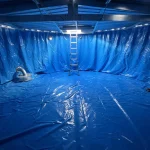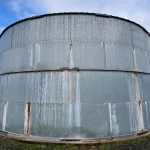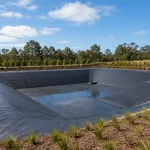
Selecting the right liner material is critical for containment performance. Different environments require different levels of chemical and physical resistance.
A poorly selected liner may fail prematurely. This can increase environmental and operational risks. Facilities should evaluate storage conditions carefully before choosing a liner system.
This guide explains the most common liner materials and their applications.
Why Material Selection Matters
Containment liners operate in demanding environments. Many systems face constant chemical and weather exposure. Temperature changes also affect liner performance over time.
The correct material helps facilities:
- Improve containment reliability
- Reduce maintenance costs
- Prevent chemical leaks
- Extend system lifespan
- Support environmental compliance
Material compatibility is one of the most important selection factors. For a broader overview of containment systems, explore secondary containment liners.
Key Factors to Consider Before Choosing a Liner
Every containment project has unique requirements. Facilities should evaluate both environmental and operational conditions.
Important selection factors include:
- Chemical exposure
- UV resistance
- Temperature range
- Flexibility requirements
- Puncture resistance
- Installation conditions
- Expected service life
Ignoring these factors may lead to early liner degradation. Some materials perform well in chemical environments. Others work better in flexible or cold-weather applications.
HDPE Liners
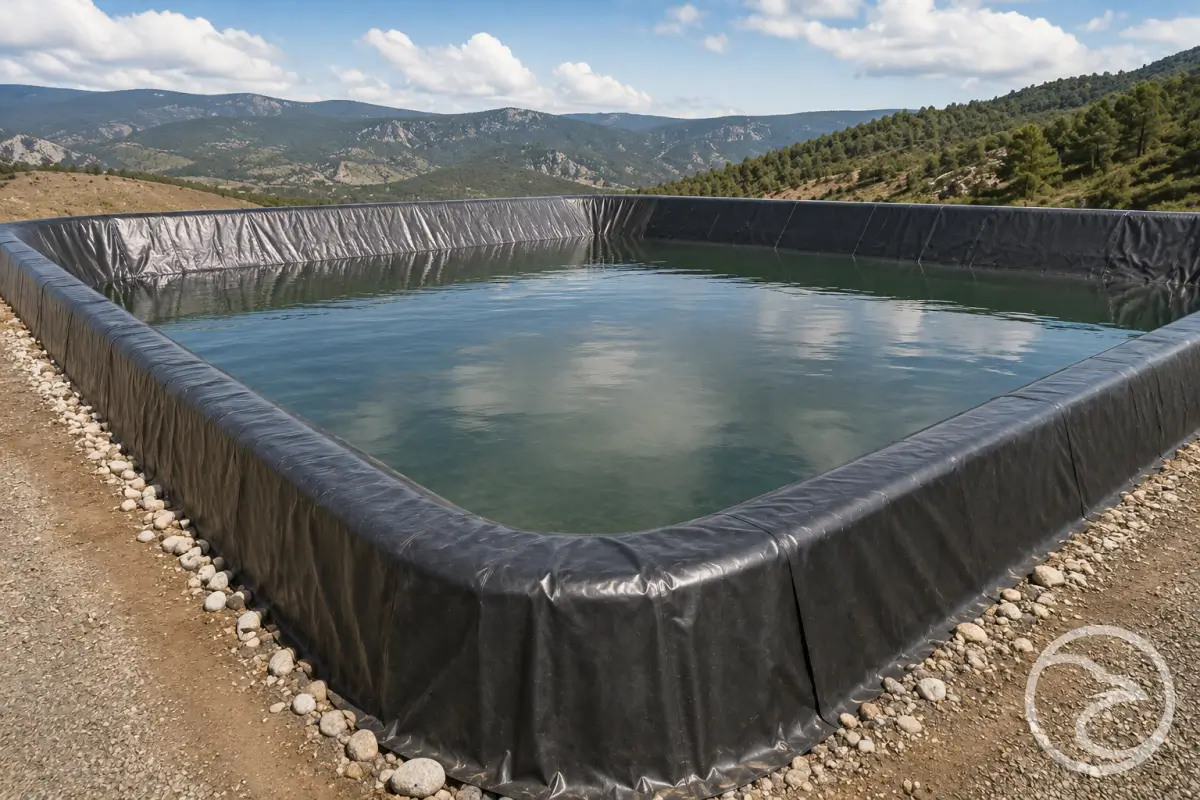
HDPE stands for high-density polyethylene. It is one of the most widely used containment liner materials. HDPE liners offer strong chemical resistance and durability.
Common advantages include:
- Excellent chemical resistance
- High puncture strength
- Strong UV resistance
- Long service life
- Low permeability
HDPE works well in industrial and mining environments. However, HDPE is less flexible than some alternative materials. Installation may require experienced technicians.
HDPE liners are often used for:
- Chemical storage areas
- Wastewater ponds
- Fuel containment zones
- Mining applications
Facilities handling aggressive chemicals often choose HDPE systems.
PVC Liners
PVC liners are flexible and cost-effective. They are commonly used in lower-risk containment applications. PVC stands for polyvinyl chloride.
Advantages of PVC tank liners include:
- Good flexibility
- Easier installation
- Lower upfront cost
- Suitable for irregular surfaces
PVC liners work well in moderate environments. However, they may not resist harsh chemicals as effectively as HDPE. Long-term UV exposure can also reduce performance.
PVC systems are commonly used for:
- Agricultural containment
- Temporary containment systems
- Low-risk wastewater storage
Facilities should review chemical compatibility carefully before selecting PVC.
Reinforced Polyethylene Liners
Reinforced polyethylene liners combine strength with flexibility. These systems include reinforced internal layers for added durability. They are often lighter than HDPE liners.
Common benefits include:
- High tear resistance
- Improved flexibility
- Easier transportation
- Fast installation
- Strong weather resistance
Reinforced systems are popular in portable containment applications. Some facilities also use reinforced liners for secondary spill containment.
XR and Specialty Liners
Some industries require specialised containment materials. XR liners provide strong chemical resistance and flexibility. These systems are commonly used in aggressive industrial environments.
Specialty liners may support:
- High-temperature applications
- Hydrocarbon storage
- Hazardous waste containment
- Extreme weather exposure
These materials often cost more than standard liners. However, they may improve long-term reliability. Facilities handling dangerous chemicals usually require detailed compatibility assessments.
Learn more about hazardous storage applications in secondary containment liners for chemical storage.
Comparing Common Containment Liner Materials
Different materials support different operational needs.
| Material | Main Strength | Common Limitation |
|---|---|---|
| HDPE | Chemical resistance | Lower flexibility |
| PVC | Flexible installation | Reduced chemical resistance |
| Reinforced Polyethylene | Lightweight durability | Moderate chemical compatibility |
| XR Liners | Extreme chemical resistance | Higher cost |
Facilities should compare long-term performance instead of focusing only on initial price. Lower-cost materials may require earlier replacement.
Chemical Resistance Considerations
Chemical exposure is one of the biggest liner performance factors. Some chemicals slowly weaken containment materials. Others cause rapid degradation.
Important compatibility factors include:
- Chemical concentration
- Exposure duration
- Operating temperature
- Pressure conditions
- UV exposure
Facilities should always review manufacturer compatibility data. Using incompatible materials increases leak risks significantly. Chemical resistance testing helps reduce operational uncertainty.
Read more about contamination risks in how secondary containment liners prevent environmental contamination.
UV and Weather Resistance
Outdoor containment systems face constant environmental stress. Sunlight, temperature fluctuations, and moisture can damage liner materials over time.
UV degradation may cause:
- Surface cracking
- Material brittleness
- Reduced flexibility
- Premature failure
HDPE typically performs well under UV exposure. Some flexible materials may require additional protection. Facilities in extreme climates should prioritise weather-resistant materials.
Installation Conditions Affect Material Choice
Installation conditions also influence liner selection. Some projects involve uneven surfaces or confined spaces. Flexible materials may simplify installation in these environments.
Important installation considerations include:
- Surface preparation
- Weld requirements
- Site accessibility
- Weather conditions
- Project timeline
Improper installation can damage even high-quality liner materials. Facilities should use experienced installation teams whenever possible.
You can also explore common secondary containment liner installation mistakes for additional guidance.
Maintenance and Lifespan Expectations
Different liner materials require different maintenance approaches. Regular inspections help identify wear before failure occurs.
Maintenance factors include:
- Seam inspections
- Surface cleaning
- UV exposure checks
- Leak monitoring
- Repair scheduling
Well-maintained systems often last significantly longer. Material quality directly affects long-term maintenance costs.
Facilities should evaluate total lifecycle value instead of installation cost alone.
Choosing the Best Material for Your Facility
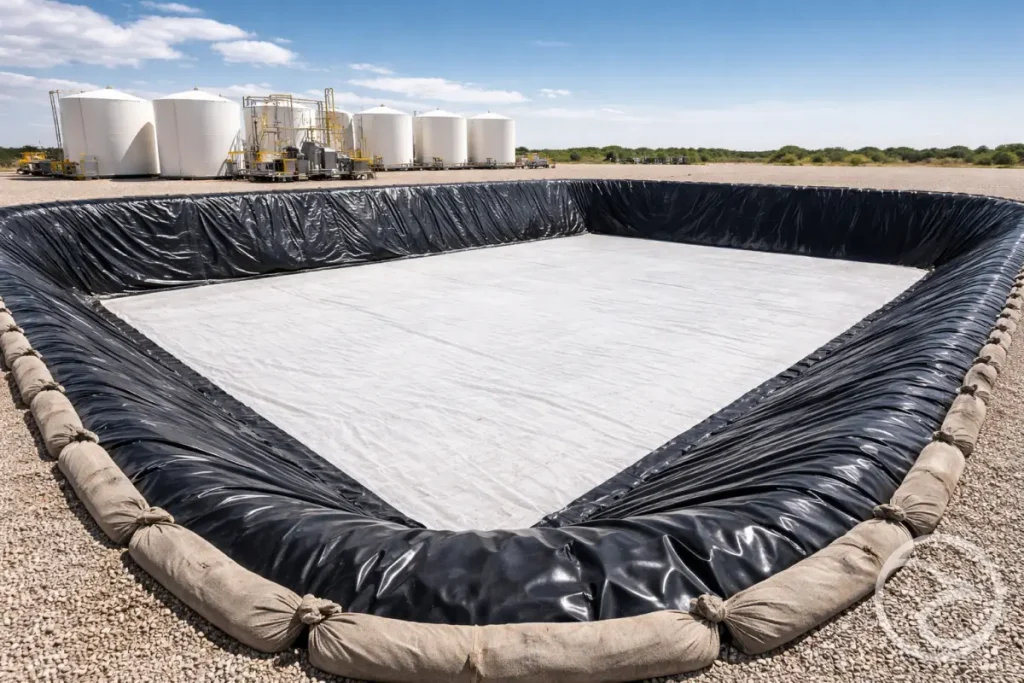
There is no universal liner solution for every project.
Facilities should evaluate:
- Chemical exposure risks
- Environmental conditions
- Operational demands
- Compliance requirements
- Maintenance expectations
A properly selected material improves reliability and containment performance. Long-term durability often depends on correct material compatibility.
Professional assessments may help facilities avoid costly selection errors.
Final Thoughts
Containment liner material selection affects both safety and performance. Different materials provide different levels of durability, flexibility, and chemical resistance.
Facilities should focus on long-term operational needs instead of short-term savings. The right material helps reduce contamination risks and maintenance costs. Reliable containment systems also support environmental compliance and operational safety.
Careful planning and proper installation improve liner performance over time.