Chemical storage areas require reliable spill protection systems. Even small leaks can create serious environmental and safety risks. Hazardous liquids may damage soil, groundwater, and nearby infrastructure. Cleanup operations are often expensive and time-consuming.
This is why many facilities use engineered containment systems. Secondary containment liners provide an additional protective barrier. These systems help facilities control leaks and improve operational safety.
This guide explains how containment liners support chemical storage operations.
Why Chemical Storage Areas Need Secondary Containment
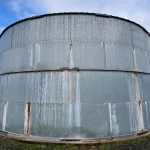
Chemical storage environments involve constant exposure to hazardous materials. Storage tanks, drums, and transfer systems may eventually leak or fail. Without proper containment, chemicals can spread rapidly into surrounding areas.
Common chemical storage risks include:
- Tank corrosion
- Pipe failures
- Overfilling incidents
- Valve leaks
- Human error
- Stormwater contamination
Secondary containment systems help isolate spills before contamination spreads. Facilities handling hazardous liquids often require additional environmental protection measures.
For a broader overview of containment systems, explore secondary containment liners.
How Secondary Containment Liners Work
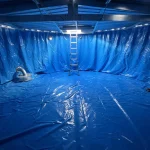
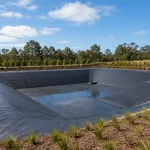
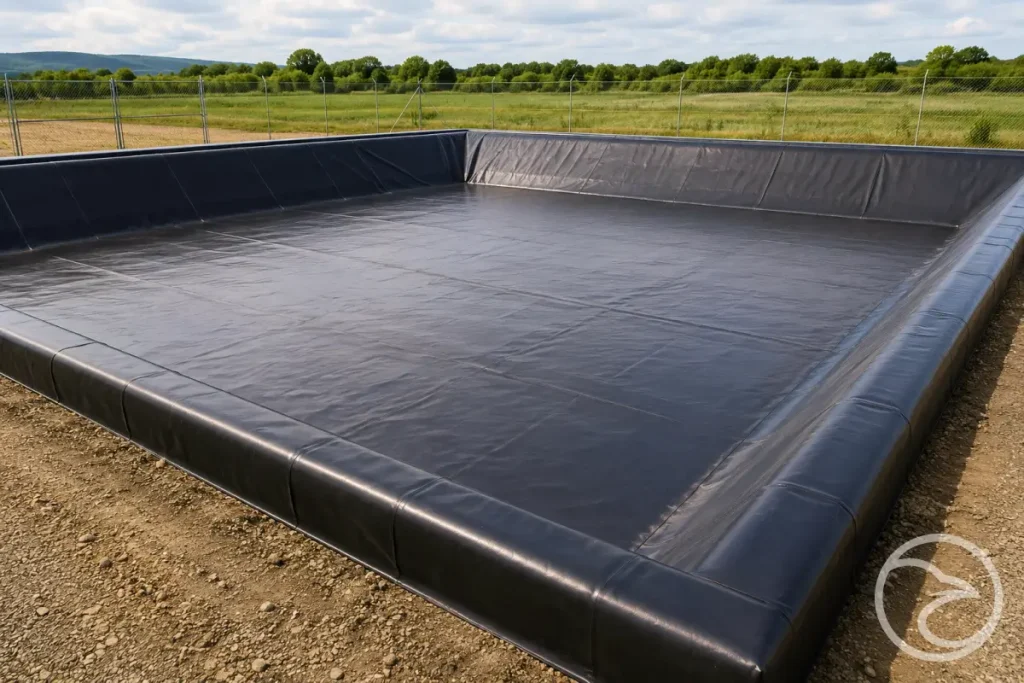
Containment liners create a sealed protective barrier around storage systems. If a primary container leaks, the liner captures the released liquid. This helps prevent chemicals from reaching surrounding soil or groundwater.
Typical containment system components include:
- Chemical storage tanks
- Secondary containment areas
- Geomembrane liners
- Drainage systems
- Leak detection equipment
Properly designed systems improve spill response and containment efficiency. Many facilities also integrate monitoring systems for early leak detection.
Common Chemicals Stored in Containment Areas
Different industries store different hazardous substances. Some chemicals require highly specialised containment materials.
Common stored substances include:
- Industrial acids
- Caustic chemicals
- Hydrocarbons
- Wastewater byproducts
- Fertilisers
- Fuel products
Each chemical interacts differently with liner materials. Facilities should always evaluate chemical compatibility carefully.
Why Chemical Resistance Matters
Chemical compatibility is one of the most important liner selection factors. Some chemicals gradually weaken containment materials. Others may cause rapid liner deterioration.
Important chemical resistance factors include:
- Chemical concentration
- Exposure duration
- Operating temperature
- UV exposure
- Chemical reactivity
Using incompatible materials increases leak and failure risks. Strong chemical resistance improves long-term containment performance.
Learn more about material selection in choosing the right material for secondary containment liners.
Common Liner Materials for Chemical Storage Areas
Different liner materials support different operational conditions. Facilities should select materials based on chemical exposure and environmental factors.
HDPE Liners
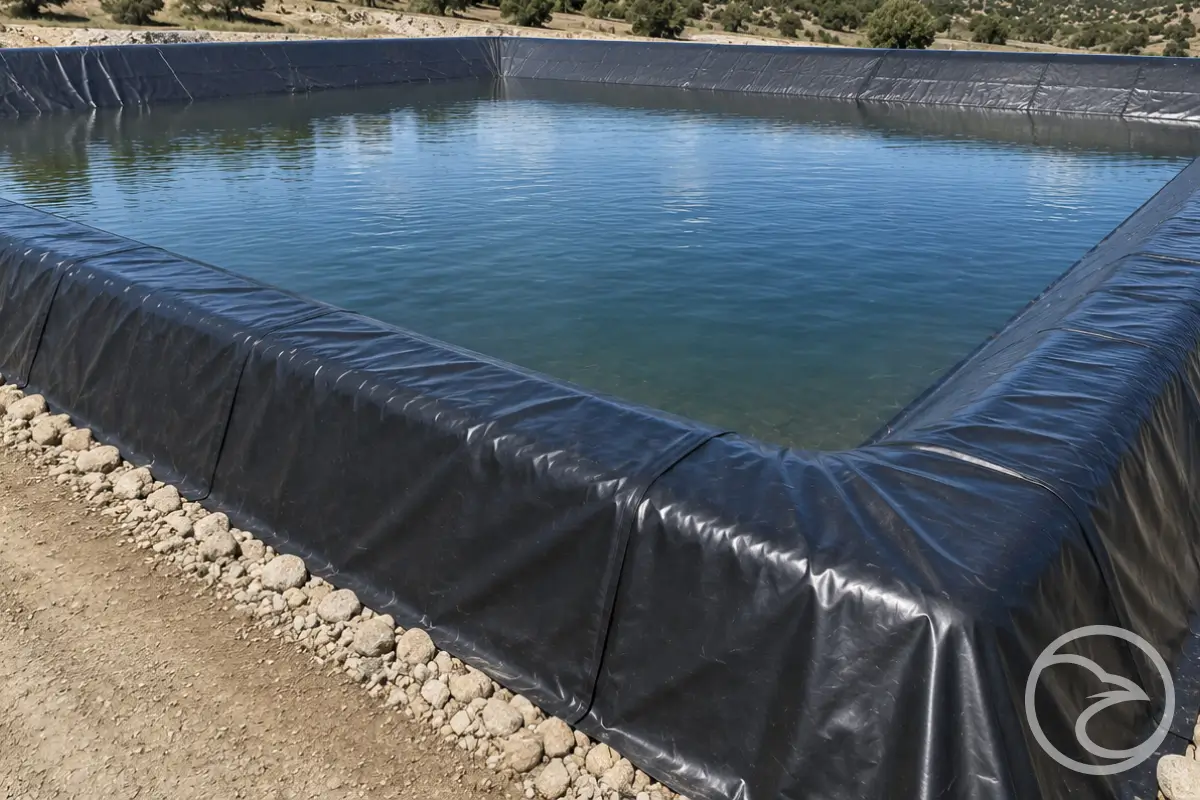
HDPE liners provide excellent chemical resistance. They are widely used in industrial containment systems.
Common advantages include:
- Strong puncture resistance
- Low permeability
- Long service life
- UV durability
HDPE systems are often used in aggressive chemical environments.
Reinforced Polyethylene Liners
Reinforced liners combine durability and flexibility. These systems work well in portable or temporary containment areas.
Specialty Chemical-Resistant Liners
Some facilities require advanced specialty materials.
These liners support:
- High-temperature applications
- Hydrocarbon storage
- Aggressive chemical exposure
Specialty systems may increase long-term reliability in demanding environments.
Environmental Risks of Chemical Leaks
Chemical spills may create long-lasting environmental damage. Some contaminants remain active in soil for many years.
Groundwater contamination can also affect nearby ecosystems and communities.
Environmental consequences may include:
- Soil contamination
- Water pollution
- Wildlife damage
- Regulatory penalties
- Expensive remediation costs
Preventive containment systems help reduce these risks significantly. Reliable containment improves both environmental and operational protection.
Regulatory Requirements for Chemical Containment
Many industries must comply with strict containment regulations. Environmental agencies often require secondary containment systems for hazardous liquids.
Regulations commonly focus on:
- Spill prevention
- Leak control
- Containment capacity
- Inspection requirements
- Emergency response planning
Facilities should maintain detailed inspection and maintenance records. Containment systems should also undergo regular performance evaluations.
Damaged or poorly maintained liners may create compliance risks.
Design Considerations for Chemical Containment Areas
Containment system design affects long-term reliability. Poorly designed systems may increase operational stress on liners.
Important design considerations include:
- Chemical compatibility
- Containment capacity
- Drainage control
- UV exposure
- Surface preparation
- Temperature conditions
Facilities should also plan for emergency spill response access. Good design improves both safety and maintenance efficiency.
Common Causes of Containment Failure
Even durable liners may fail under poor operational conditions. Most containment failures develop gradually over time.
Common failure causes include:
- Improper installation
- Poor seam welding
- Chemical incompatibility
- UV degradation
- Physical punctures
- Drainage problems
Routine inspections help detect early warning signs. Facilities should repair liner damage immediately after detection.
You can also review common secondary containment liner installation mistakes for additional guidance.
Maintenance Best Practices for Chemical Storage Liners
Regular maintenance improves containment reliability and lifespan. Facilities should establish scheduled inspection programs.
Recommended maintenance activities include:
- Visual surface inspections
- Seam testing
- Drainage cleaning
- Leak detection monitoring
- Repair documentation
Maintenance records also support regulatory compliance efforts. Preventive maintenance reduces long-term operational risks.
Benefits of Secondary Containment Liners for Chemical Storage
Containment liners provide several operational advantages.
Key benefits include:
- Improved spill protection
- Reduced contamination risks
- Better environmental compliance
- Lower remediation costs
- Increased workplace safety
- Longer asset lifespan
Modern containment systems also support sustainability goals. Reliable containment reduces the environmental impact of industrial operations.
Choosing the Right Containment Solution
Every chemical storage facility has unique operational requirements.
Facilities should evaluate:
- Stored chemical types
- Environmental conditions
- Maintenance expectations
- Compliance requirements
- Long-term operational risks
Professional assessments help improve containment system performance. The correct liner material and installation approach reduce failure risks significantly.
Final Thoughts
Chemical storage areas require strong environmental protection systems. Secondary containment liners help facilities manage hazardous liquids safely.
Reliable containment systems reduce spill risks and support regulatory compliance. Material selection, installation quality, and maintenance all affect long-term performance.
Facilities that invest in proper containment systems improve both safety and environmental protection.