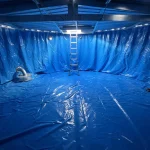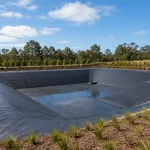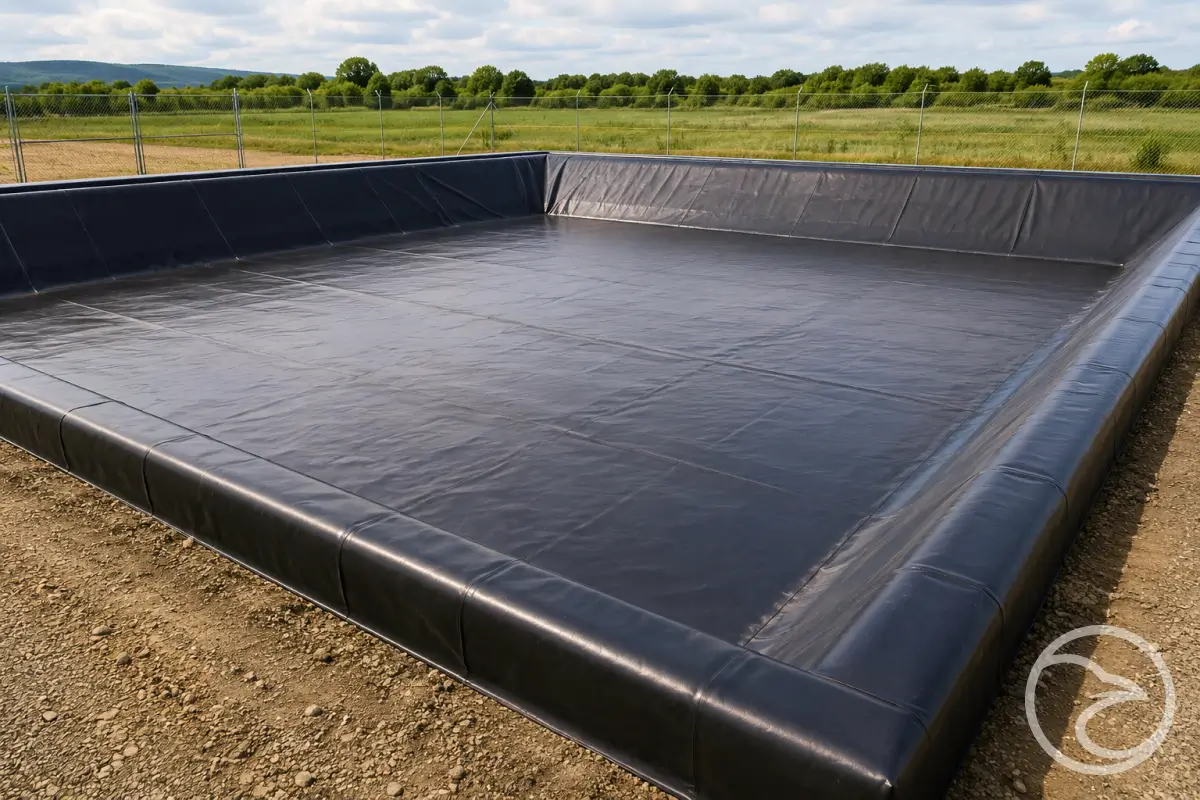
Secondary containment liners protect facilities from leaks and contamination. However, no liner system lasts forever without proper maintenance. Environmental exposure slowly affects liner performance over time. Small problems may eventually become serious containment failures.
Facilities that maintain containment systems properly often reduce long-term costs. They also improve environmental and operational safety.
This guide explains how to extend the lifespan of secondary containment liners.
Why Liner Lifespan Matters
Containment liner replacement can be expensive and disruptive. Premature liner failure may also increase environmental risks and operational downtime.
A longer-lasting liner system helps facilities:
- Reduce repair costs
- Improve containment reliability
- Lower operational interruptions
- Support environmental compliance
- Improve long-term asset value
Preventive maintenance usually costs less than emergency remediation. For a broader overview of containment systems, explore secondary containment liners.
Factors that Affect Liner Lifespan
Several conditions influence containment liner durability. Some environmental factors gradually weaken liner materials over time.
Common lifespan factors include:
- UV exposure
- Chemical contact
- Temperature fluctuations
- Mechanical stress
- Drainage performance
- Installation quality
Facilities should monitor these conditions regularly. Early intervention helps prevent larger system failures.
Choose the Right Liner Material
Material selection strongly affects long-term performance. Different materials handle environmental stress differently.
Common liner material considerations include:
- Chemical resistance
- UV stability
- Flexibility
- Puncture resistance
- Temperature tolerance
HDPE liners often provide strong chemical and UV resistance. Flexible materials may perform better in uneven environments. Choosing compatible materials reduces premature degradation risks.
Learn more in choosing the right material for secondary containment liners.
Perform Regular Visual Inspections
Routine inspections help identify damage before leaks occur. Small defects are easier and cheaper to repair early.
Common inspection areas include:
- Surface cracking
- Seam separation
- Wrinkling
- Punctures
- Drainage blockages
- Chemical staining
Facilities should inspect liners after major weather events whenever possible. Inspection schedules may vary depending on operational conditions.
Protect Liners from UV Exposure
Sunlight gradually weakens many liner materials.
Long-term UV exposure may cause:
- Surface brittleness
- Cracking
- Reduced flexibility
- Premature material failure
Some liners include UV-resistant additives. Others may require additional protective coverings.
UV protection methods include:
- Protective soil layers
- Cover systems
- Shade structures
- UV-resistant materials
Facilities operating in high-temperature environments should prioritise UV management.
Prevent Chemical Overexposure
Chemical compatibility directly affects liner lifespan. Aggressive chemicals may slowly degrade containment materials. Facilities should review compatibility data carefully before use.
Important chemical exposure factors include:
- Chemical concentration
- Exposure duration
- Storage temperature
- Chemical combinations
Using incompatible chemicals increases containment failure risks significantly. Facilities should monitor containment areas for unusual material changes.
Learn more about chemical containment in secondary containment liners for chemical storage.
Maintain Proper Drainage Systems
Poor drainage creates unnecessary stress on containment liners. Standing water increases pressure and may accelerate material wear.
Drainage-related problems include:
- Water pooling
- Overflow events
- Sediment buildup
- Erosion around containment areas
Facilities should inspect drainage systems regularly. Clean drainage channels improve containment efficiency and liner stability.
Avoid Mechanical Damage
Physical damage is one of the most common liner problems. Heavy equipment and sharp objects may puncture containment materials.
Common mechanical damage sources include:
- Vehicle traffic
- Maintenance tools
- Sharp debris
- Improper cleaning equipment
Facilities should limit unnecessary traffic inside containment zones. Protective barriers may also reduce accidental liner damage.
Inspect and Test Seams Regularly
Containment seams are critical system components. Weak seams may separate under operational stress.
Seam inspection methods include:
- Visual inspections
- Vacuum testing
- Air pressure testing
- Ultrasonic testing
Routine seam testing helps identify hidden weaknesses early. Facilities should repair seam defects immediately after detection.
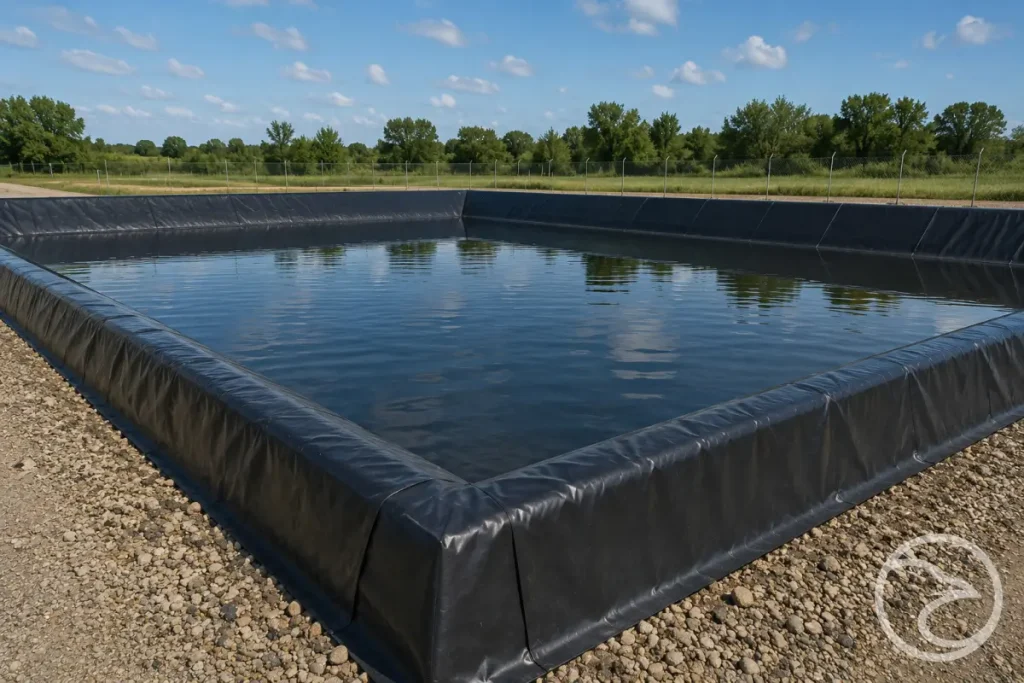
Repair Damage Quickly
Small liner defects rarely stay small for long. Minor punctures may expand during normal operations. Delayed repairs increase contamination and replacement risks.
Common repair warning signs include:
- Surface bubbles
- Liquid beneath liners
- Chemical odours
- Visible tearing
- Seam lifting
Facilities should use compatible repair materials whenever possible. Professional repairs often improve long-term system reliability.
Train Staff on Proper Containment Practices
Operational practices affect liner lifespan significantly. Untrained personnel may accidentally damage containment systems.
Important staff training topics include:
- Spill response procedures
- Equipment movement rules
- Inspection reporting
- Safe cleaning methods
- Chemical handling procedures
Well-trained teams help reduce accidental containment damage. Training also improves overall environmental safety.
Keep Detailed Maintenance Records
Maintenance documentation helps facilities track liner performance. Historical records may identify recurring operational issues.
Important records include:
- Inspection schedules
- Repair history
- Chemical exposure reports
- Drainage maintenance logs
- Weather-related damage reports
Good documentation also supports regulatory compliance efforts. Facilities can use maintenance data to improve future containment planning.
Benefits of Long-Term Liner Maintenance
Well-maintained systems provide several long-term advantages.
Key benefits include:
- Extended liner lifespan
- Lower operational costs
- Improved environmental protection
- Reduced leak risks
- Better compliance performance
- Fewer emergency repairs
Preventive maintenance improves both operational stability and environmental safety.
Final Thoughts
Secondary containment liners require ongoing maintenance and inspection. Environmental exposure, chemical contact, and physical damage all affect liner lifespan.
Facilities should prioritise preventive maintenance and early repairs. Routine inspections help reduce long-term operational and environmental risks.
Reliable containment systems improve safety, compliance, and long-term performance.