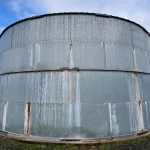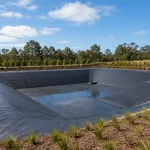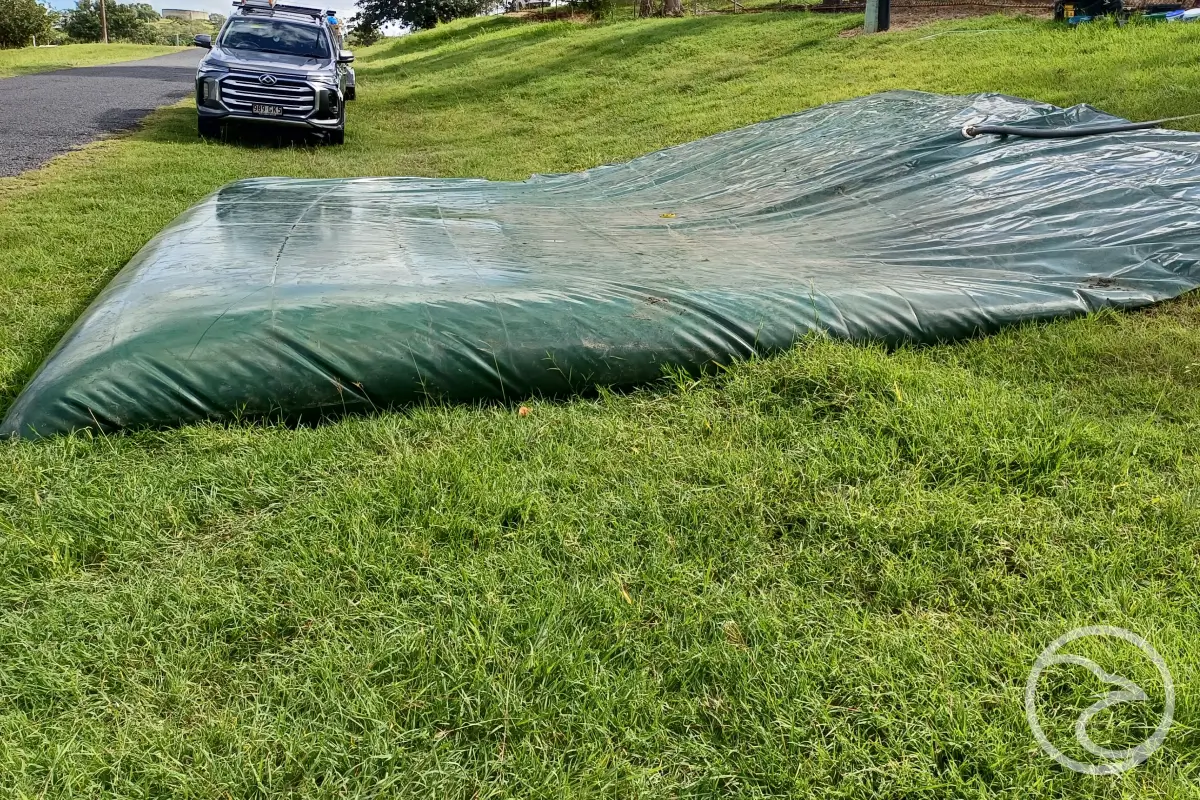
Portable water storage systems support many industrial and temporary operations across Australia. Mining, construction, agriculture, and emergency response projects often require flexible storage infrastructure.
Temporary storage systems help improve operational efficiency and support remote site management. Portable tanks are commonly used where permanent infrastructure is impractical or unavailable.
Many businesses invest in portable water storage solutions to improve flexibility and operational reliability. Different storage systems are designed for different project conditions and containment requirements.
The Growing Demand for Portable Water Storage
Industrial operations often involve changing project locations and temporary infrastructure needs. Portable storage systems help support water supply and containment across remote environments.
Several industries rely heavily on temporary water storage systems:
- Mining and resources
- Construction projects
- Agriculture and irrigation
- Emergency response operations
- Environmental management projects
Portable systems help improve operational mobility and temporary infrastructure planning.
Important Factors When Choosing Storage Systems
Different projects require different storage capabilities. Storage system selection depends on operational, environmental, and logistical requirements.
Several factors commonly influence storage planning:
- Storage capacity requirements
- Liquid type and compatibility
- Deployment speed
- Transport requirements
- Site accessibility
- Environmental exposure
Understanding operational requirements helps improve storage efficiency and long-term reliability.
Portable Storage for Remote Operations
Remote industrial projects often require temporary storage systems. Permanent infrastructure may not be practical in isolated environments. Portable systems support operational flexibility without extensive construction requirements.
Remote projects commonly require storage for:
- Potable water
- Dust suppression
- Fuel containment
- Wastewater management
- Emergency water supply
Portable systems also support changing project conditions and temporary operational demands.
Comparing Open and Enclosed Storage Systems
Portable storage systems use different containment designs depending on project requirements. Some applications require open-top access for rapid deployment and water access. Other operations require enclosed containment for liquid protection and contamination control.
Businesses often compare:
- Open-top storage systems
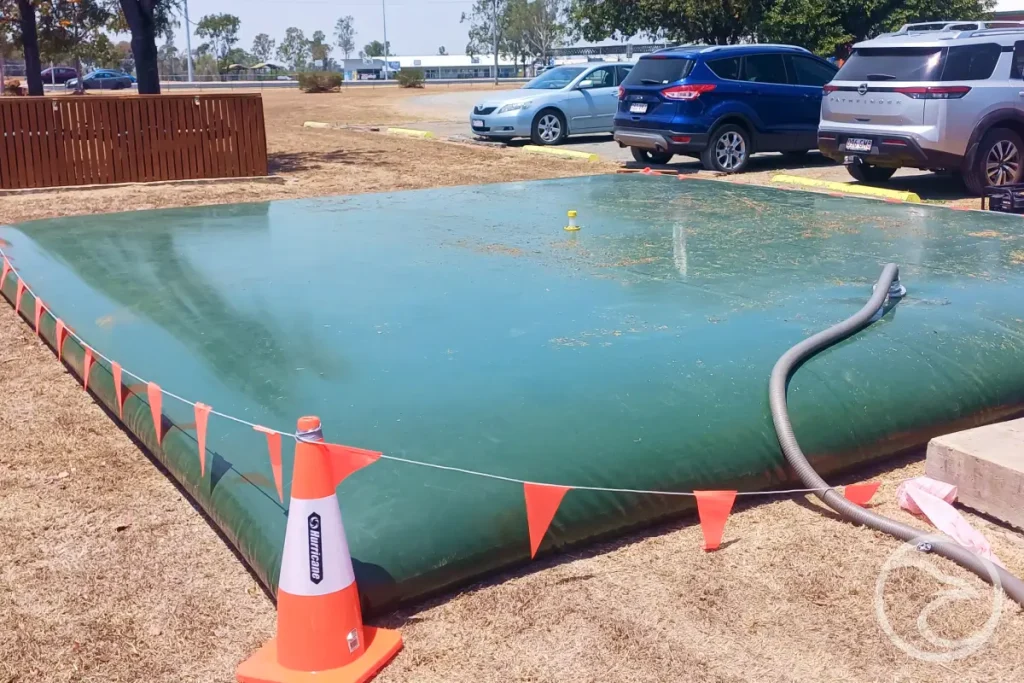
- Flexible enclosed tanks
- Temporary liquid containment systems
- Rapid deployment water storage
- Portable industrial storage tanks
Storage conditions usually determine which design is more suitable. Projects comparing temporary storage systems often review onion tanks and bladder tanks for different operational applications.
Environmental Conditions and Storage Performance
Australian industrial projects often operate in harsh environmental conditions. Portable storage systems must withstand exposure to heat, UV radiation, and remote operating environments.
Environmental conditions may include:
- High temperatures
- UV exposure
- Heavy rainfall
- Wind exposure
- Uneven ground conditions
Durable materials help improve containment reliability and long-term operational performance. Environmental planning also helps reduce maintenance requirements.
Rapid Deployment for Temporary Infrastructure
Temporary projects often require fast deployment and operational flexibility. Portable storage systems can usually be installed faster than permanent infrastructure.
Rapid deployment helps support:
- Emergency response operations
- Temporary construction projects
- Remote mining operations
- Disaster recovery planning
- Seasonal agricultural activities
Fast setup improves operational readiness and project efficiency.
Storage Flexibility Across Different Industries
Different industries use portable storage systems for different operational purposes. Storage flexibility helps businesses adapt to changing site requirements.
Portable storage applications may include:
- Water storage
- Fuel containment
- Wastewater management
- Environmental protection
- Temporary liquid transport
Flexible systems help support short-term and changing operational requirements.
Maintenance and Long-Term Reliability
Portable storage systems still require regular inspections and maintenance. Preventive maintenance helps improve containment reliability and operational performance.
Routine inspections may include:
- Surface condition checks
- Seam inspections
- Connection point inspections
- Water loss monitoring
- Debris removal
Regular maintenance can help reduce long-term repair costs and operational risks.
Choosing the Right Temporary Storage Solution
Storage system selection depends on project requirements, environmental conditions, and operational priorities. Some projects prioritise rapid deployment and mobility. Others focus on contamination protection or long-term containment reliability.
Several factors may influence final system selection:
- Operational duration
- Storage volume requirements
- Liquid compatibility
- Site accessibility
- Environmental conditions
Understanding these factors helps improve temporary storage planning and operational efficiency.
Businesses comparing temporary systems often research advantages of onion tanks when evaluating deployment flexibility and remote storage performance.
The Future of Portable Industrial Storage
Portable storage systems continue supporting industrial projects across Australia. Flexible storage infrastructure helps industries improve mobility, emergency preparedness, and temporary operational planning.
Portable containment systems also support industries operating in remote and changing environments. As industrial infrastructure demands continue evolving, portable water storage solutions will remain important across many sectors.