Flexible water storage systems are widely used across industrial, agricultural, and emergency applications. Many industries require temporary storage solutions that are portable, reliable, and easy to deploy.
Bladder tanks provide flexible storage capabilities for projects operating in changing environments.Their collapsible design supports temporary liquid containment and remote operations. These features highlight important bladder tank benefits for industrial and temporary storage applications.
Businesses often choose bladder tanks for portable storage applications requiring flexibility and efficient transport. These systems are commonly used for water storage, fuel containment, and emergency response planning.
Flexible Storage for Changing Project Requirements
Project requirements can change quickly across industrial and commercial operations. Flexible storage systems help businesses adapt to temporary operational demands. Bladder tanks are designed to expand and collapse based on storage requirements.
This flexibility supports:
- Temporary project operations
- Emergency response planning
- Remote site management
- Mobile infrastructure projects
- Seasonal water storage needs
Flexible storage systems also help improve operational efficiency across temporary worksites.
Compact Transport and Storage
Transport efficiency is important for portable storage systems. Bladder tanks can be folded into compact sizes when not in use. This design helps simplify transportation and storage between project locations.
Transport advantages include:
- Reduced storage space requirements
- Easier transport logistics
- Faster site mobilisation
- Improved handling efficiency
- Lower transport complexity
Portable systems support industries operating across multiple remote locations. Compact storage also helps reduce equipment management challenges.
Some industries may also compare onion tanks when selecting portable storage systems for temporary operations.
Suitable for Remote and Temporary Sites
Remote projects often require temporary infrastructure solutions. Permanent storage systems may not be practical for short-term operations. Bladder tanks provide flexible storage without requiring extensive infrastructure.
Industries using portable bladder tanks include:
- Mining operations
- Construction projects
- Agriculture and irrigation
- Emergency response services
- Environmental management operations
Portable storage systems help support temporary water and liquid management requirements in remote areas.
Reliable Liquid Containment
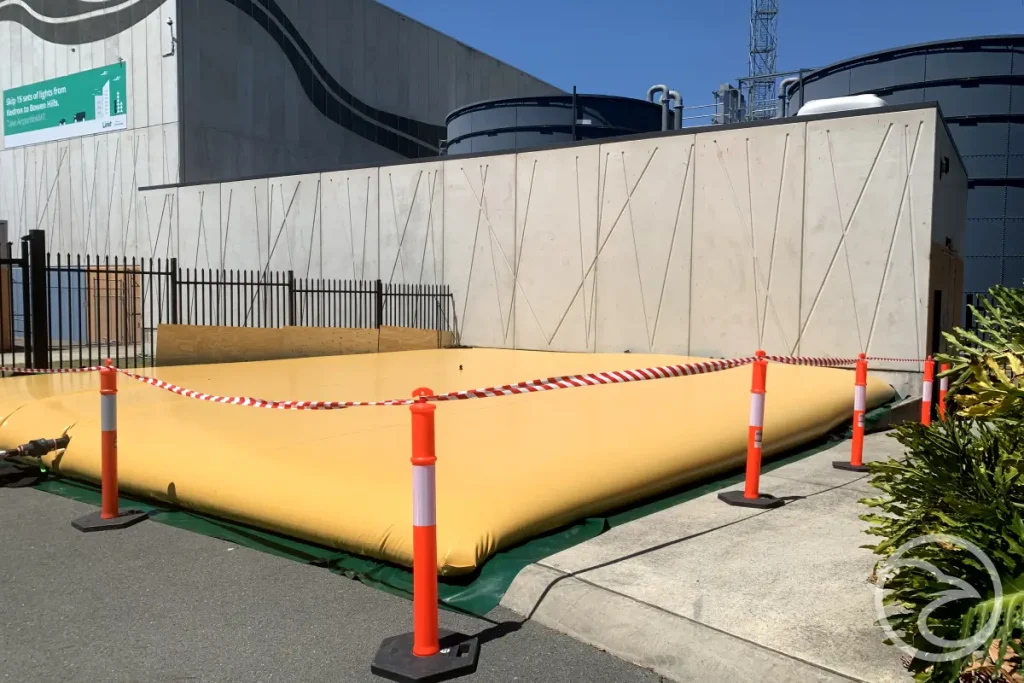
Containment reliability is important for temporary storage systems. Bladder tanks are designed to support safe storage across different operating conditions. Durable materials help improve containment performance and reduce operational risks.
Reliable containment supports:
- Water storage
- Fuel containment
- Wastewater management
- Emergency liquid storage
- Environmental protection
High-quality storage systems help reduce the risk of leaks and contamination. Reliable containment also supports operational continuity during temporary projects.
Reduced Installation Requirements
Permanent storage systems often require extensive installation work. Portable bladder tanks usually require less site preparation and infrastructure. This helps improve deployment speed and project flexibility.
Basic setup may include:
- Ground preparation
- Surface protection
- Drainage planning
- Connection setup
- Site access checks
Reduced installation complexity supports faster operational readiness. Temporary projects often benefit from efficient deployment methods.
Adaptability for Multiple Liquids
Bladder tanks can support storage for different liquid types depending on liner materials. Different applications may require specialised containment systems.
Storage applications may include:
- Potable water
- Non-potable water
- Fuel storage
- Wastewater containment
- Industrial liquids
Material selection plays an important role in long-term containment performance. Different industries may require different chemical resistance and storage capabilities.
Durability in Australian Conditions
Portable storage systems must operate in demanding environmental conditions. Australian projects often experience high temperatures, UV exposure, and remote operating environments. Many bladder tanks are designed for durability under harsh conditions.
Environmental factors affecting storage systems include:
- UV exposure
- Temperature variation
- Heavy rainfall
- Wind exposure
- Frequent transport and handling
Durable materials help improve long-term performance and operational reliability.
Support for Emergency Response Operations
Emergency situations often require rapid deployment of temporary storage systems. Portable bladder tanks support emergency water and liquid containment operations.
Emergency applications may include:
- Bushfire response
- Disaster recovery
- Emergency water supply
- Temporary fuel storage
- Temporary fuel storage
Portable systems help support emergency preparedness and operational flexibility during critical situations. Businesses researching portable storage systems may also compare portable water storage solutions for different emergency applications.
Operational Efficiency for Temporary Projects
Temporary projects often require efficient and adaptable infrastructure. Portable bladder tanks help support changing operational conditions without permanent construction requirements.
Operational bladder tank benefits may include:
- Faster deployment
- Reduced infrastructure costs
- Improved site flexibility
- Easier relocation between projects
- Simplified temporary storage management
Flexible systems help improve efficiency across temporary industrial and commercial operations.
The Growing Demand for Flexible Water Storage
Many industries continue investing in portable and temporary storage systems. Flexible storage solutions help support operational efficiency, emergency preparedness, and remote project management.
Bladder tanks provide several advantages for industries requiring adaptable liquid storage systems. Their portability, containment reliability, and deployment flexibility support a wide range of temporary applications. These operational advantages are some of the main bladder tank benefits for temporary and remote storage projects.
As temporary infrastructure needs continue growing, flexible storage systems will remain important across many Australian industries.