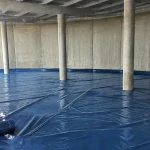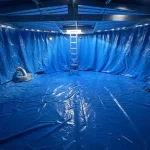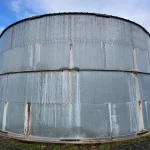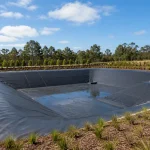
Concrete tanks are widely used for water storage in commercial, industrial and agricultural facilities. However, concrete can develop cracks, deteriorating joints and other defects that affect water retention.
Concrete tank liners provide an internal barrier between stored water and the tank structure. The right lining system can help manage leakage risks and protect suitable concrete surfaces from further exposure.
Not every concrete tank requires a liner. The decision depends on its condition, intended use and the suitability of available lining materials. This guide explains when concrete tank lining is appropriate, which materials to consider and what affects long-term performance.
What are Concrete Tank Liners?
Concrete tank liners are protective systems installed inside concrete storage tanks. They create a barrier designed to contain stored liquids and reduce direct contact with the concrete substrate. Depending on the application, a lining system may use flexible membranes or bonded protective coatings.
Concrete water tank liners are commonly considered for:
-
Commercial and industrial water storage tanks
-
Agricultural water storage systems
-
Fire water storage tanks
-
Potable water tanks
-
Process water and wastewater storage
-
Existing concrete tanks undergoing refurbishment
The selected material must suit the stored liquid, operating conditions and tank design. A liner should not be considered a substitute for structural repairs where concrete integrity has been compromised.
When does a Concrete Tank Need a Liner?
Several conditions may indicate that concrete tank lining deserves consideration.
1. Persistent Water Leakage
Water loss can occur through cracks, construction joints, penetrations or deteriorated concrete. Small defects may gradually develop into more significant leakage problems.
A suitable lining system can provide an additional containment barrier after necessary structural repairs are completed. However, the source of leakage should be identified before selecting a repair method.
2. Cracks and Surface Deterioration
Concrete tanks can develop cracking through shrinkage, settlement, thermal movement or loading conditions. Not all cracks indicate structural failure. However, some defects can compromise watertightness.
Flexible concrete tank liners may accommodate limited movement, depending on their design and installation. Significant structural cracking requires professional assessment before any lining work begins.
3. Ageing Waterproofing Systems
Older concrete tanks may contain coatings or waterproofing systems that have deteriorated. Common warning signs include peeling coatings, blistering, exposed concrete and recurring leakage.
Replacing an unsuitable or damaged lining system may restore effective internal containment. The existing material should be assessed for compatibility with the proposed replacement.
4. Exposure to Aggressive Water Conditions
Certain stored liquids can accelerate concrete deterioration. Chemical composition, temperature and operating conditions influence the level of exposure.
An appropriately selected concrete tank liner can separate the stored liquid from vulnerable concrete surfaces. Chemical resistance must be verified against the actual storage application.
5. Tank Refurbishment Projects
Concrete tank lining may form part of a broader refurbishment programme. For structurally suitable tanks, relining can sometimes provide an alternative to complete replacement.
However, the decision should consider repair costs, access requirements and expected remaining service life.
Which Materials Work Best for Concrete Tank Liners?
There is no single lining material suitable for every concrete tank. Material selection depends on the stored liquid, movement requirements, installation conditions and maintenance expectations.
PVC Concrete Tank Liners
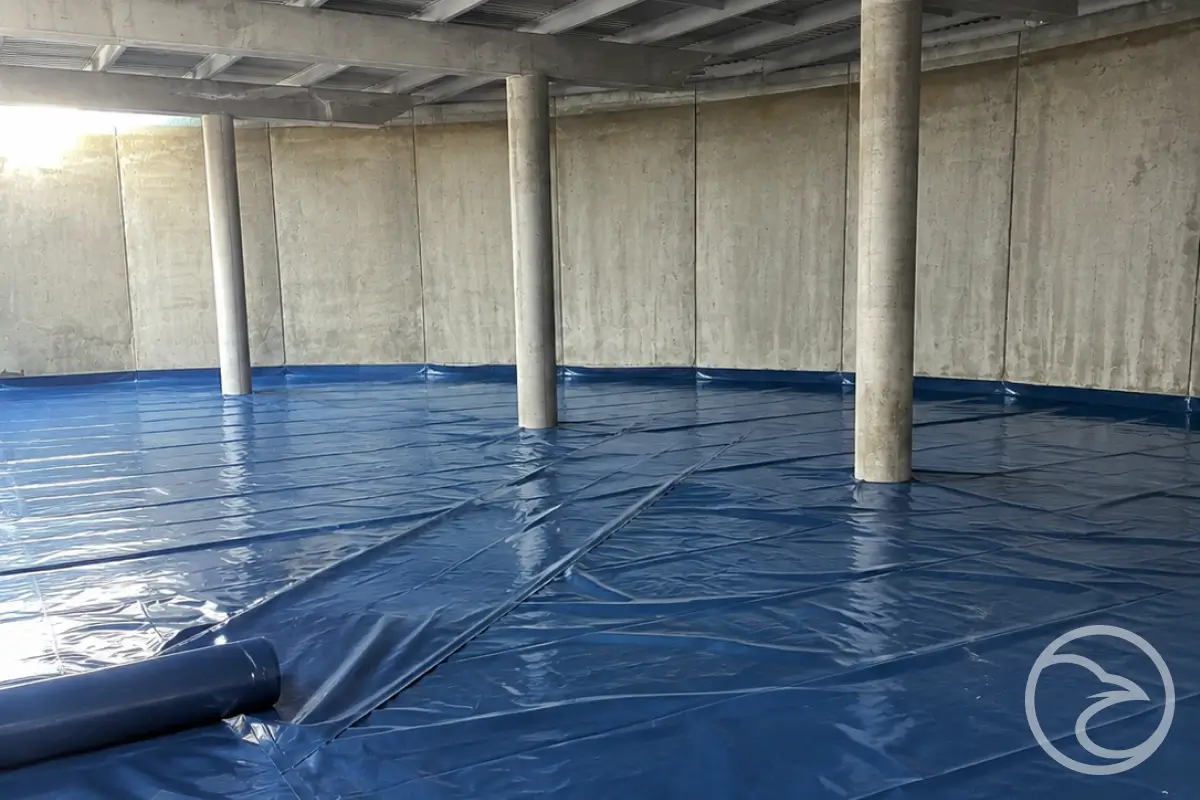
Polyvinyl chloride (PVC) membranes are used in various water containment applications. Flexible PVC liners can provide a continuous barrier within suitably prepared concrete tanks.
Potential advantages include:
-
Flexibility for certain tank configurations
-
Fabrication to suit different tank dimensions
-
Welded seams for continuous containment
-
Suitability for selected water storage applications
-
Replacement without necessarily rebuilding the tank
PVC compatibility depends on the membrane formulation and operating environment. For potable water applications, the selected product must meet relevant drinking water contact requirements.
HDPE Concrete Tank Liners
High-density polyethylene (HDPE) is commonly used in industrial containment and geomembrane applications. HDPE offers chemical resistance and durability when correctly specified.
Its suitability depends on the liquid being stored and the installation design.
Potential advantages include:
-
Resistance to many chemical substances
-
Low permeability
-
Durability in suitable operating conditions
-
Availability for engineered containment systems
However, HDPE is comparatively stiff and requires careful detailing around corners and penetrations. Thermal expansion, seam welding and anchoring must also be considered.
EPDM Concrete Tank Liners
Ethylene propylene diene monomer (EPDM) is a flexible synthetic rubber material. It is used in selected waterproofing and water containment applications.
Potential benefits include flexibility and resistance to certain weathering conditions. However, EPDM suitability varies according to the stored liquid and product formulation.
Seam construction and attachment methods require particular attention.
Protective Coatings and Liquid-Applied Linings
Some concrete tanks use bonded coating systems rather than separate sheet membranes. Depending on the application, these may include epoxy, polyurethane or other specialised products.
Potential advantages include:
-
Direct application to prepared concrete
-
Coverage around suitable complex details
-
Different formulations for specific exposure conditions
-
Compatibility with selected refurbishment projects
However, coating performance depends heavily on substrate preparation and application conditions. Moisture, surface contamination and existing concrete defects can affect adhesion.
Crack movement may also exceed the capabilities of a rigid coating.
Concrete Tank Liner Materials Compared
| Material | Main advantage | Important consideration |
|---|---|---|
| PVC membrane | Flexible containment | Formulation, seam quality and compatibility |
| HDPE membrane | Chemical resistance | Stiffness, anchoring and thermal movement |
| EPDM membrane | Flexibility | Liquid compatibility and seam detailing |
| Epoxy coating | Bonded protective surface | Substrate condition and crack movement |
| Polyurethane lining | Formulation-dependent flexibility | Application conditions and chemical exposure |
The best material is the one that meets the specific tank requirements. No material should be selected solely because it offers general waterproofing properties.
Concrete Tank Liners vs Concrete Tank Waterproofing
Concrete tank lining and concrete tank waterproofing are closely related, but they are not always identical. Waterproofing describes the broader process of preventing water penetration through a structure.
Concrete tank liners are specific systems used to provide internal containment. Some waterproofing solutions involve bonded coatings or cementitious products.
Other applications require flexible membranes designed for liquid storage. The distinction matters because a waterproofing product suitable for a building may not suit continuous tank immersion.
Water pressure, liquid chemistry, cleaning procedures and applicable standards must all be considered.
How to Choose the Right Concrete Water Tank Liner
Choosing a suitable liner requires more than comparing material prices.
Assess the Concrete Structure
Start with an inspection of the tank walls, floor, joints and penetrations. Identify cracking, leakage, surface deterioration and signs of movement.
Structural defects should be assessed before a liner is specified.
Identify the Stored Liquid
The intended application determines many material requirements. Potable water, wastewater and industrial process liquids may require different lining systems.
For drinking water storage, consult our potable water tank liner guide for material and compliance considerations.
Consider Movement and Flexibility
Concrete structures can experience temperature changes, settlement and joint movement. A lining system must accommodate the movement anticipated by its design.
Flexible membranes may be appropriate for certain conditions, but movement limits still apply.
Evaluate Installation Requirements
Tank geometry influences installation complexity. Corners, internal columns, pipe penetrations and access openings require careful detailing.
Installation planning should also consider cleaning, drying and surface preparation.
Review Long-Term Maintenance
Maintenance requirements vary between lining systems. Consider inspection access, repair methods, seam construction and expected operating conditions.
Our water tank liner inspection checklist explains common warning signs and inspection priorities.
How are Concrete Tank Liners Installed?
Installation procedures depend on the selected material and tank design. However, most projects follow several important stages.
Initial Tank Inspection
The existing concrete structure is assessed for defects, leakage and installation constraints. This helps determine whether structural repairs or surface preparation are required.
Surface Preparation
The tank is cleaned and unsuitable materials are removed. Sharp projections, damaged areas and other surface irregularities may require treatment.
Bonded coatings generally require more specific substrate preparation than loose-laid membranes.
Liner Fabrication and Installation
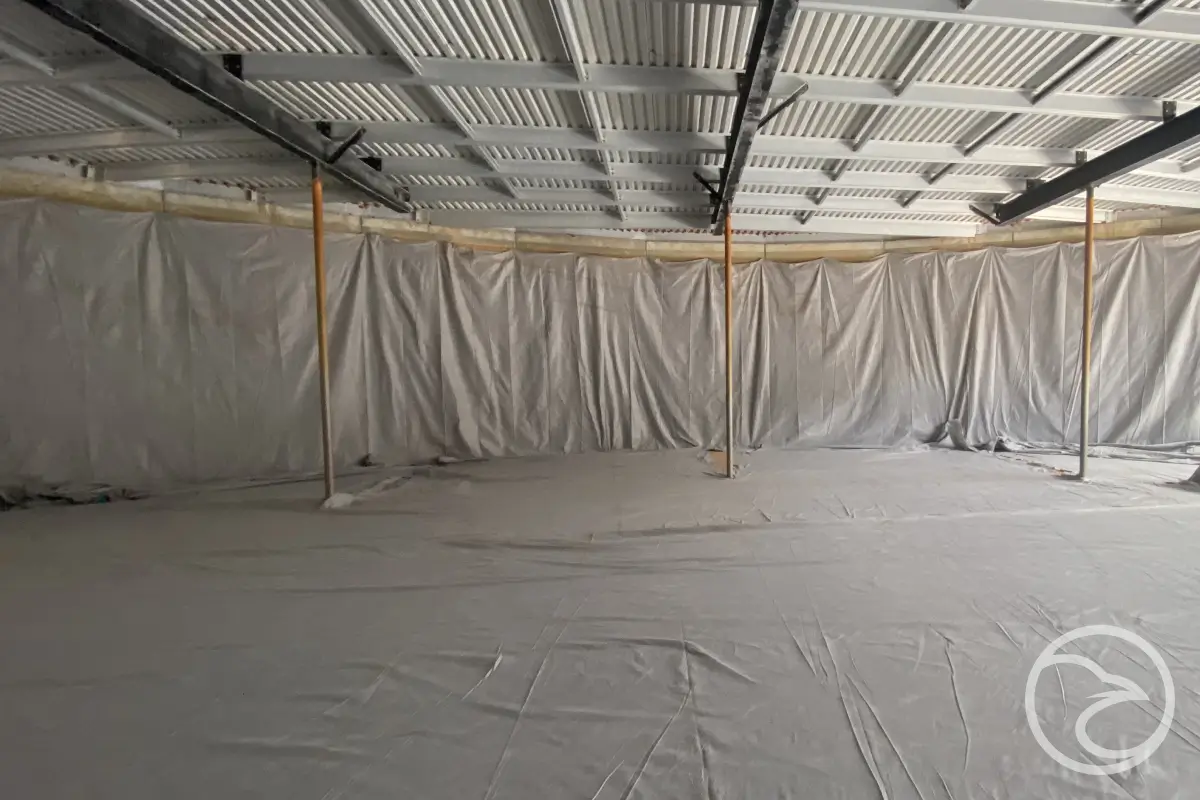
Membrane liners may be fabricated to suit the tank dimensions. Sheets are positioned, secured and joined using methods appropriate to the material.
Coating systems are applied according to their specified preparation and curing requirements.
Seam and Detail Inspection
Seams, corners, penetrations and termination points require careful inspection. The verification method depends on the lining system and project specification.
Final Testing and Commissioning
Appropriate testing helps confirm that the completed system meets project requirements. Potable water tanks may also require cleaning, disinfection and water quality verification before returning to service.
Common Concrete Tank Lining Problems
Even suitable materials can fail when installation or maintenance requirements are overlooked.
Poor Surface Preparation
Uneven or contaminated surfaces can damage membranes or affect coating adhesion. Preparation requirements should be established before installation begins.
Inadequate Seam Welding
Incorrect welding conditions can create weak joints in thermoplastic membranes. Seam quality should be checked using appropriate inspection and testing methods.
Unaddressed Structural Movement
A liner cannot reliably compensate for unlimited structural movement. Ongoing settlement or major cracking may damage the lining system.
Incorrect Material Selection
Some materials deteriorate when exposed to incompatible chemicals or temperatures. Compatibility should be confirmed before installation.
Neglected Inspections
Minor damage may develop into more extensive problems without timely maintenance. Regular inspections help identify defects before they affect containment performance.
Can a Concrete Tank be Relined Instead of Replaced?
Relining may be suitable when the concrete structure remains capable of supporting its intended loads. A new lining system can help restore containment without replacing the entire tank. However, relining is not always the most appropriate option.
Replacement or major structural refurbishment may be necessary when there is:
-
Significant structural deterioration
-
Severe foundation movement
-
Extensive concrete damage
-
Unsuitable tank geometry
-
Repeated failures linked to unresolved structural problems
Project decisions should account for safety, operating requirements and long-term costs. For a broader comparison, read tank relining vs tank replacement.
How Much do Concrete Tank Liners Cost?
Concrete tank liner costs vary according to project conditions.
Important pricing factors include:
-
Tank dimensions and internal geometry
-
Lining material and thickness
-
Existing concrete condition
-
Surface preparation and structural repairs
-
Installation access and safety requirements
-
Pipe penetrations and complex details
-
Testing and commissioning requirements
A straightforward installation in a sound concrete tank may require less preparation than a major refurbishment project. However, material price alone does not determine total project cost.
Our tank liner cost guide explains the factors affecting pricing in Australia.
Choosing Concrete Tank Liners for Long-Term Protection
Concrete tank liners can help improve containment performance in suitable water storage applications. However, successful results depend on structural assessment, material compatibility and professional installation.
PVC, HDPE, EPDM and protective coatings each offer different advantages. Selecting the correct solution requires consideration of the tank’s condition, intended use and maintenance requirements.