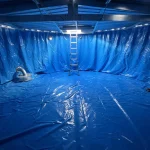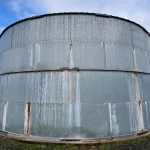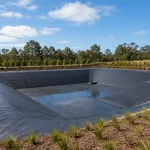
Industrial tanks operate under demanding conditions and often remain in service for many years. During that time, corrosion, material deterioration, leaks, and structural damage can develop. However, damage does not always mean an entire tank requires replacement.
Depending on its condition, a tank may be repaired, relined, or refurbished. Each approach addresses different types and levels of deterioration. A localised defect may only require targeted repair. Internal containment problems may make relining more appropriate.
Older tanks with several related issues may require broader refurbishment. Understanding these differences can help facility managers evaluate the next steps after tank problems are identified.
This guide explains common industrial tank repair approaches and the factors that influence the scope of work.
What does Industrial Tank Repair Involve?
Industrial tank repair is a broad term covering work used to restore damaged or deteriorated tank components. The required work depends on where the problem occurs.
Some repairs address the tank structure. Others focus on internal containment surfaces, fittings, connections, or liners.
An industrial tank repair may involve:
- Repairing damaged structural components
- Addressing localised corrosion
- Repairing or replacing damaged panels
- Restoring connections and fittings
- Repairing leaks
- Replacing deteriorated components
- Repairing internal liners
- Preparing surfaces for new lining systems
The first step is usually identifying the source and extent of the problem. Visible symptoms do not always reveal the complete condition.
For example, an external leak may originate from a liner, fitting, connection, or structural component. Repair planning should therefore follow an appropriate condition assessment.
Tank Repair vs Relining vs Refurbishment
The terms repair, relining, and refurbishment are sometimes used interchangeably. However, they describe different approaches to restoring an industrial tank.
The correct approach depends on the tank condition and the affected components.
Tank Repair
Tank repair generally addresses a specific defect or damaged component. The work is often localised rather than covering the entire tank system. Examples can include repairing damaged panels, connections, fittings, or isolated areas of corrosion.
Local liner damage may also be repairable in some situations. Repair is generally considered when the affected area can be clearly identified and appropriately restored.
The cause of the damage should also be addressed. Otherwise, the same problem may return after the repair. For tanks requiring professional assessment and restoration, explore our industrial tank repairs services.
Structural Tank Repair
Structural tank repairs focus on components that contribute to the physical integrity of the tank. These can include panels, supports, connections, fasteners, and other structural elements.
Structural deterioration requires careful assessment. A liner or coating should not be used to conceal an unresolved structural problem.
The structure must remain suitable for the loads and operating conditions it experiences.
Tank Relining
Tank relining focuses primarily on the internal containment barrier. It may involve replacing an existing liner or installing a suitable new lining system.
Relining can be considered when the structural tank remains serviceable but its internal containment system has deteriorated. The existing tank still requires assessment before relining begins.
Corrosion, sharp surfaces, and other defects can affect a new liner if they remain unresolved. When internal deterioration becomes extensive, tank relining vs tank replacement explains the key differences between restoring and replacing an existing tank.
Tank Refurbishment
Tank refurbishment is generally broader than a single repair. It can involve several types of work completed as part of one restoration project.
For example, refurbishment may combine:
- Structural repairs
- Corrosion treatment
- Component replacement
- Surface preparation
- Liner replacement
- New internal lining
- Fitting repairs
- Cleaning and inspection
Refurbishment may be considered for ageing tanks with several different maintenance requirements. The exact scope depends on the condition of the tank.
When is Tank Repair Usually Considered?
Repair may be appropriate when deterioration is limited to identifiable areas. The surrounding tank should still be suitable for continued service.
Several conditions can lead to targeted repairs.
Localised Corrosion
Corrosion does not always affect the entire tank equally. Some areas can deteriorate faster because of moisture, exposure, or local operating conditions.
Localised corrosion may require treatment or component repair. However, the extent and depth of corrosion should be understood first.
Widespread corrosion can require a broader approach.
Isolated Leaks
A leak can sometimes originate from a specific component or connection. Possible sources include fittings, joints, penetrations, or local liner damage.
Identifying the actual source is important before repairs begin. Sealing the visible leak point may not correct the underlying problem.
Damaged Components
Individual tank components can become damaged while the wider structure remains serviceable. Repair or replacement may restore the affected area.
The condition of surrounding components should also be checked. Similar components may have experienced the same operating conditions.
Minor Liner Damage
Some localised liner damage may be suitable for repair. This depends on the liner material, defect location, and overall membrane condition.
A small repair may be inappropriate when the liner shows widespread ageing. The complete liner condition should therefore be considered.
When Does a Tank Need Structural Repairs?
Structural damage is different from deterioration limited to an internal liner or coating. The tank structure supports the stored contents and maintains the required tank geometry.
Problems affecting this structure require specific attention.
Corroded Structural Components
Corrosion can reduce the effective thickness of steel components. Its significance depends on the location, depth, and extent of material loss.
Surface corrosion and substantial structural deterioration are not the same condition. Assessment should determine which components are affected.
Damaged Tank Panels
Bolted and sectional tanks depend on individual panels forming a stable structure. Panels can experience corrosion, deformation, or mechanical damage.
A damaged panel may also affect nearby connections. Repair planning should therefore consider both the panel and surrounding structure.
Bolts and Connections
Fasteners and connections are important parts of many industrial tanks. Corrosion, movement, or deterioration can affect their condition.
Loose or damaged connections can also indicate wider structural movement. These areas should be assessed rather than treated as isolated cosmetic defects.
Tank Base and Supports
The tank base transfers loads to the supporting structure or foundation. Problems at this level can affect the entire tank.
Settlement, corrosion, or damaged supports can change how loads are distributed. Base problems can also affect internal liners.
Movement beneath a liner may create tension, folds, or unsupported areas.
Distortion or Movement
Unexpected changes in tank shape require investigation. Bulging, deformation, or movement can indicate structural or support problems.
The cause should be identified before internal repair work begins. Relining a distorted tank does not resolve the underlying structural issue.
When is Tank Relining More Appropriate?
Relining can be considered when the primary concern involves the internal containment system. The supporting tank must still be suitable for continued use.
Several conditions may lead to a relining assessment.
Widespread Liner Deterioration
Flexible liners can change as they age. They may lose flexibility, develop tears, or show other signs of deterioration.
One local defect may be repairable. Multiple defects across the liner can indicate a broader material condition problem.
In that situation, complete relining may require consideration.
Repeated Liner Repairs
A liner that requires repeated repairs may need a more comprehensive assessment. Recurring defects can indicate ageing or an unresolved underlying issue.
The cause might also involve tank surfaces, fittings, or movement. Repeatedly repairing individual areas may not address the broader condition.
Coating Breakdown
Some tanks use internal coatings rather than flexible liners. Coatings can deteriorate through chemical exposure, ageing, or poor substrate conditions.
Widespread coating breakdown may require surface preparation and a new containment system. The correct approach depends on the tank and stored contents.
Changes in Stored Contents
A tank can sometimes be repurposed for different liquids. The existing lining system may not be suitable for the new contents.
Chemical compatibility should therefore be reviewed before the tank’s use changes. Relining may be required when the existing material does not suit the new application.
Internal Corrosion
Corrosion beneath or around an existing lining system can complicate repairs. The affected areas must first be assessed and prepared appropriately.
A new liner should not simply cover unresolved deterioration. Surface condition remains important for the performance of the new system.
When is Full Tank Refurbishment Considered?
Refurbishment can be useful when a tank has several related maintenance requirements. Older industrial tanks often develop more than one issue. For example, a tank may have structural corrosion and a deteriorated liner.
Fittings or connections may also require replacement. Addressing only one problem can leave other deterioration unresolved. A refurbishment project can combine several activities into a coordinated scope.
This may include structural work, internal repairs, relining, and component replacement.
Refurbishment may be considered when:
- Several tank components require repair
- The existing liner has reached poor condition
- Structural corrosion requires treatment
- Fittings require replacement
- Internal surfaces need extensive preparation
- Previous repairs have become widespread
- The tank requires broader restoration before continued use
The scope should reflect the actual condition of the tank. Refurbishment should not automatically mean replacing every component.
Can an Existing Industrial Tank be Repaired Instead of Replaced?
Many industrial tanks can potentially remain in service after appropriate repairs or refurbishment. However, repair is not suitable in every situation. The decision depends on the condition of the complete tank system.
Several factors require consideration.
Structural Condition
The structure must remain capable of performing its intended function. Significant structural deterioration may limit practical repair options.
The extent of damage should be established before deciding on restoration.
Extent of Corrosion
Small areas of corrosion present different challenges from widespread material loss. The location of corrosion also matters.
Deterioration around structural connections or the tank base may require additional assessment.
Liner or Coating Condition
The internal containment system should be considered separately from the tank structure. A structurally sound tank can still have a failed liner.
Likewise, a good liner does not confirm that the supporting structure remains suitable.
Tank Age
Age can provide useful context but should not determine the decision alone. Two tanks of the same age can have very different conditions.
Stored contents, maintenance, environment, and previous repairs all affect deterioration.
Required Service Life
The expected future use of the tank can influence the repair scope. A short-term operational requirement differs from a long-term asset strategy.
The intended service period should therefore be considered during planning.
Access and Repair Practicality
Some damaged areas can be difficult to access. Tank configuration may also affect repair methods and project complexity.
Practical access should be assessed before the final repair scope is selected.
How is Industrial Tank Condition Assessed Before Repair?
A repair plan should be based on actual tank condition. Inspection helps determine whether problems are localised or widespread.
The assessment method depends on the tank and suspected defects.
Visual Inspection
Visual inspection can identify many obvious problems. These may include corrosion, leaks, damaged panels, deformation, and deteriorated components.
Internal inspection can also reveal liner or coating defects. Visual findings often help determine whether further assessment is necessary.
Internal Tank Inspection
The inside of the tank can provide information unavailable from external surfaces.
Internal inspection may identify:
- Liner damage
- Coating deterioration
- Internal corrosion
- Damaged fittings
- Sediment accumulation
- Surface irregularities
- Signs of leakage
- Mechanical damage
Tank access and safety requirements must be considered before internal inspection.
Structural Condition Assessment
Structural components should be assessed where damage or deterioration is suspected. The appropriate assessment depends on tank design and material.
The goal is to understand whether structural repairs are required before other work begins.
Corrosion Assessment
Corrosion should be evaluated by extent and location. Surface appearance alone may not reveal the full level of deterioration.
Areas around joints, supports, fittings, and the tank base may require particular attention.
Liner or Coating Assessment
The internal containment system should be assessed independently. For flexible liners, relevant observations can include tears, brittleness, stretching, and movement.
Coated surfaces may show peeling, cracking, blistering, or other deterioration. These findings can help determine whether repair or relining is more appropriate.
Leak Investigation
A leak should be traced to its actual source whenever possible. The visible water location may not identify the original defect.
Water can travel behind liners or along structural surfaces. Leak investigation should therefore consider the surrounding tank system.
Industrial Tank Repairs for Different Applications
Industrial tanks store many different liquids under different operating conditions. The repair approach should reflect the tank’s specific application.
Water Storage Tanks
Water tanks can develop corrosion, liner deterioration, leaks, and fitting problems. Repair requirements depend on the tank material and containment system.
Potable water tanks may also have specific material requirements. Any replacement liner or coating should suit the intended water application.
Chemical and Acid Tanks
Chemical tanks require careful material compatibility assessment. A repair material suitable for water storage may not tolerate aggressive chemicals.
The stored chemical, concentration, and temperature can all influence material selection. An acid tank repair should therefore consider both structural condition and chemical exposure.
The existing lining system should also be assessed for compatibility and deterioration.
Leach Tanks
Leach tanks can operate in demanding industrial environments. Chemical exposure, abrasion, and continuous operation can affect tank components over time.
A leach tank refurbishment may involve more than repairing a single damaged area. Structural components, internal surfaces, and containment materials may all require assessment.
In some cases, leach tank relining can form part of a broader refurbishment project. The new lining material must suit the specific process conditions.
Commercial Storage Tanks
Commercial tanks can support water storage, processing, manufacturing, and other operations. Their repair requirements vary according to use.
Commercial tank repairs may address structural components, internal containment systems, or individual fittings. The repair scope should match both current condition and future operating requirements.
Explore commercial tank problems to understand common defects and how they can affect tank condition over time.
What Determines the Scope of a Tank Repair?
Two tanks with similar visible problems may require different repair approaches. The complete operating environment influences the final scope.
Important factors include:
- Tank construction material
- Tank size and configuration
- Structural condition
- Extent of corrosion
- Type of liner or coating
- Stored liquid
- Chemical compatibility
- Operating temperature
- Accessibility
- Previous repairs
- Expected future service
- Required downtime
The relationship between these factors is important. For example, liner damage may initially appear to require simple repair.
Further inspection could reveal a damaged substrate beneath the membrane. The final scope may then include surface repair before the liner itself can be restored.
Repair, Reline or Refurbish: how is the Decision Made?
The appropriate approach depends on which part of the tank has deteriorated. No single option is suitable for every condition.
| Tank condition | Possible approach |
|---|---|
| Isolated component damage | Targeted repair |
| Localised structural deterioration | Structural repair |
| Local liner damage | Liner assessment and possible repair |
| Widespread liner deterioration | Relining assessment |
| Internal coating breakdown | Surface preparation and relining assessment |
| Several ageing components | Broader refurbishment |
| Structural and liner deterioration | Combined repair and refurbishment |
| Extensive structural damage | Further structural assessment |
This table provides a general distinction rather than a repair specification. Actual tank condition should determine the required work.
Common Mistakes When Planning Tank Repairs
Repair decisions made from visible symptoms alone can overlook underlying deterioration. Several common mistakes can complicate restoration work.
Repairing the Symptom Instead of the Cause
A leak is a symptom. The actual cause could involve a fitting, liner, connection, or structural defect.
The source should be identified before repair begins.
Relining Over an Unsuitable Surface
A new liner does not correct structural damage beneath it. Corrosion, sharp edges, and damaged surfaces should be addressed first.
Proper preparation helps provide suitable conditions for the new containment system.
Assuming a Thicker Liner Solves Every Problem
Liner thickness is only one material characteristic. Chemical compatibility, flexibility, tank geometry, and substrate condition also matter.
A thicker membrane cannot compensate for an unsuitable material or damaged structure.
Treating Every Old Tank as Beyond Repair
Tank age alone does not determine condition. An older tank may remain suitable for repair after appropriate assessment.
Conversely, a newer tank can develop significant problems under demanding conditions. Condition should guide the decision.
Ignoring Previous Repairs
Previous repairs provide valuable information. Repeated work in the same area may indicate an unresolved cause.
Repair history should therefore form part of the condition assessment.
Choosing the Appropriate Tank Repair Approach
Industrial tank repairs can range from localised work to comprehensive refurbishment. The correct approach depends on which components have deteriorated and how extensive the damage has become. Targeted repair can address isolated defects.
Structural tank repairs focus on components responsible for supporting the tank and its contents. Relining addresses deterioration within the internal containment system. Refurbishment can combine several types of work when multiple components require attention.
The first step should therefore be understanding the tank’s actual condition. Structural integrity, corrosion, liner condition, stored contents, and previous repairs should all be considered. This assessment helps distinguish between a local repair and a broader restoration project.
It also helps ensure that visible symptoms are not treated while their underlying causes remain unresolved.