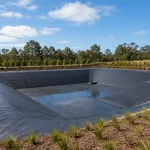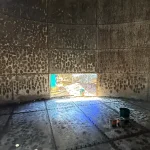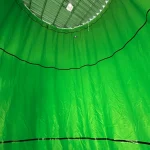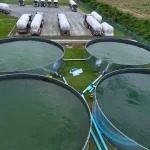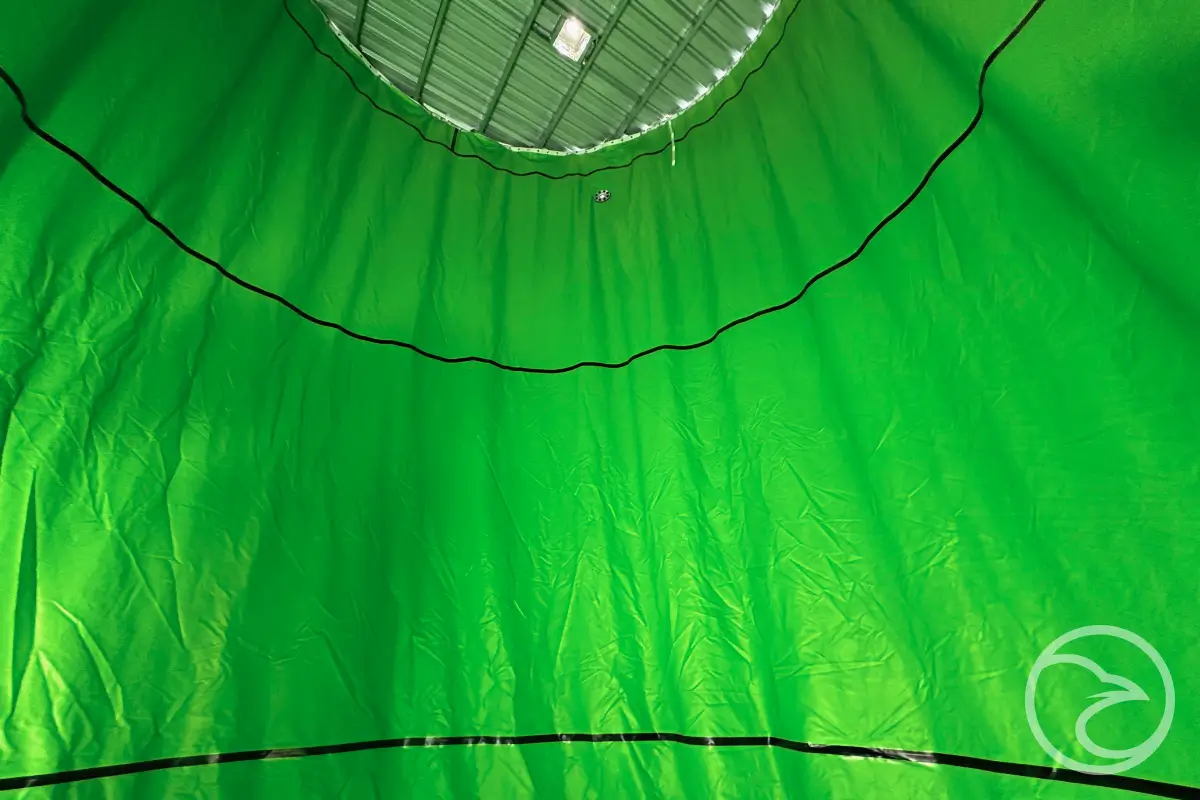
A tank liner is one of the most effective ways to protect a water storage system and extend its service life. Whether the tank is made from concrete, steel, or another material, a quality liner creates a durable barrier that helps prevent leaks and contamination.
One of the most common questions property owners ask is, “How much does a tank liner cost?” The answer is not always straightforward. Every tank is different, and several factors influence the overall project.
This guide explains the main pricing factors for Australian commercial tank liners and helps you understand what to expect when planning a lining project.
Why Tank Liner Costs Vary
No two tanks are exactly alike. Even tanks with similar capacities may require different liner designs or installation methods. Manufacturers typically produce liners to suit the dimensions and configuration of each tank. The liner may also include custom fittings, reinforced corners, or specialised welding depending on the application.
When people search for how much does a tank liner cost, they often expect a single answer. In reality, the cost depends on the complexity of the project rather than one fixed price.
Understanding these variables makes it easier to compare quotations and choose the most suitable solution.
Tank Size and Capacity
Tank dimensions are one of the biggest factors affecting water tank liner cost. Larger tanks require more liner material, longer fabrication times, and additional handling during installation. As the internal surface area increases, the amount of material also grows.
Several measurements influence the final specification, including:
- tank diameter
- height or depth
- total storage capacity
- floor dimensions
- wall profile
Capacity alone does not always determine the liner size. Two tanks holding the same volume may have different shapes, requiring different amounts of liner material. Accurate measurements help manufacturers minimise waste and ensure a precise fit.
Tank Shape and Design Complexity
Tank shape also influences project complexity. Standard circular and rectangular tanks are generally easier to line because their dimensions are predictable. Irregular structures often require additional design work and customised fabrication.
Examples include:
- tapered tanks
- underground reservoirs
- multi-compartment tanks
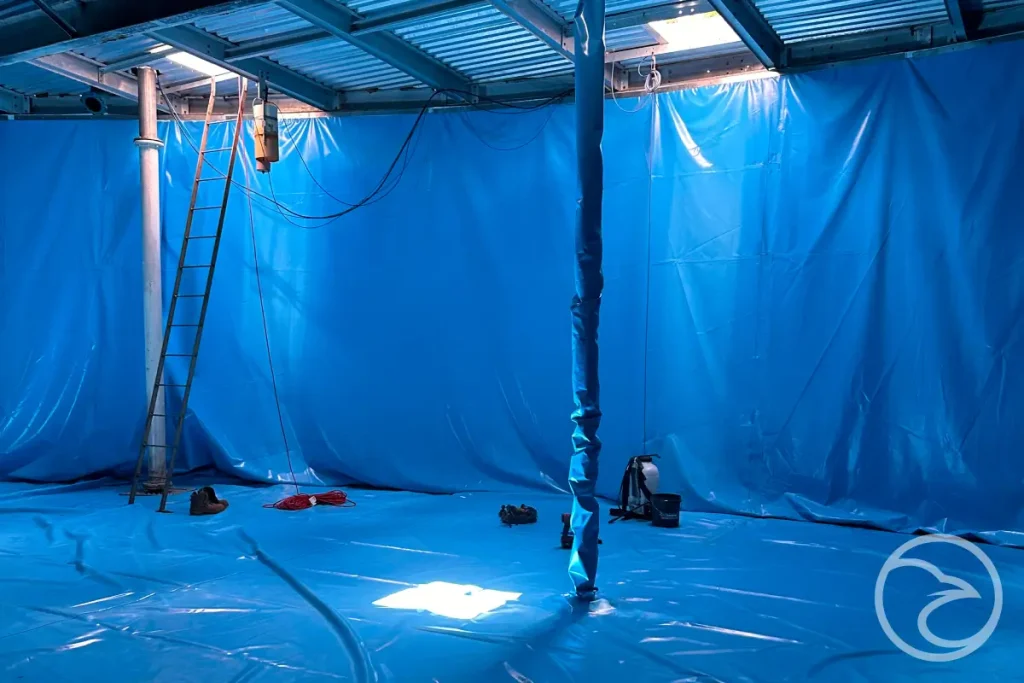
- tanks with internal columns
- unusual wall angles
Each feature may require additional welding, reinforcement, or specialised manufacturing techniques. A custom-shaped tank often requires more planning before production begins.
Tank Construction Material
The material used to build the tank can also affect installation requirements. Different substrates require different preparation methods and attachment systems.
Concrete Tanks
Many ageing concrete reservoirs remain structurally sound but develop leaks through cracks or deteriorating surfaces. Installing a liner allows owners to restore the tank without replacing the existing structure.
Because every concrete tank differs in condition, concrete tank liners cost can vary depending on the amount of preparation required before installation. Surface cleaning, repairing damaged areas, or removing loose material may all form part of the project.
Steel Tanks
Steel tanks often require careful inspection before lining. Corrosion, rust, and damaged coatings may need treatment before the liner can be installed securely.
The liner attachment method may also differ depending on the tank design.
Poly and Fibreglass Tanks
Polyethylene and fibreglass tanks can also benefit from liners in certain situations. The installation approach depends on the internal surface condition and the intended use of the stored water.
Liner Material Selection
The liner material itself has a significant influence on overall performance and longevity. Different materials are designed for different operating environments. Common options include reinforced PVC, EPDM rubber, and other engineered membranes.
When selecting a liner, manufacturers consider factors such as:
- UV exposure
- potable water compliance
- flexibility
- abrasion resistance
- chemical compatibility
- expected service life
A liner designed for drinking water has different requirements from one intended for industrial or agricultural applications. Choosing the correct material helps maximise long-term value instead of focusing only on the initial investment.
Custom Tank Liner Cost
Not every tank can use a standard liner. Many projects require custom fabrication to match unique dimensions or operating conditions. A custom tank liner cost generally depends on the level of design work involved.
Custom features may include:
- specialised outlets
- overflow penetrations
- inspection hatches
- pipe penetrations
- reinforced corners
- anchor systems
Each additional feature requires careful manufacturing to ensure a secure and watertight installation. Although custom liners require more fabrication, they also provide a precise fit that supports long-term performance.
Tank Liner Installation Cost
The liner itself is only one part of the overall project. Tank liner installation cost depends on several practical factors beyond manufacturing. One important consideration is site accessibility. A tank located in a remote area may require additional travel and specialised equipment.
Installation also becomes more complex when technicians must work in confined spaces or elevated locations.
Other factors include:
- site preparation
- cleaning the tank
- removing an existing liner
- repairing damaged surfaces
- repairing damaged surfaces
- installing fittings
- commissioning and inspection
The easier the installation conditions, the more efficiently the work can usually be completed. Professional installation also helps reduce the likelihood of future problems caused by poor fitting or incorrect sealing.
Does Tank Relining Cost Less than Replacing the Entire Tank?
When evaluating long-term water storage solutions, many owners compare the cost of relining an existing tank with the expense of installing a new one. In many cases, relining allows the original tank structure to remain in service. If the walls and foundation are still structurally sound, replacing only the internal liner can restore the tank’s functionality without major reconstruction.
Replacing an entire tank usually involves additional work beyond purchasing the new structure. The project may require demolition, waste removal, transport, site preparation, and new plumbing connections.
Relining avoids many of these steps because the existing tank remains in place.
Intended Application
The purpose of the tank also affects water tank liners cost. Different industries have different performance requirements, and these influence the liner specification.
For example, a liner used for potable water must comply with strict safety standards. Industrial tanks may require enhanced chemical resistance, while fire water storage systems often prioritise durability and long service life.
Common applications include:
- potable water storage
- agricultural water
- irrigation systems
- fire protection tanks
- stormwater storage
- wastewater containment
- industrial process water
Each application requires careful material selection to achieve reliable long-term performance.
Environmental Conditions
Australia’s climate varies significantly between regions. A liner installed in tropical Queensland experiences different environmental conditions from one located in southern Victoria or inland Western Australia.
Several environmental factors influence the liner specification, including:
- UV exposure
- temperature fluctuations
- wind conditions
- rainfall
- water quality
- surrounding vegetation
For outdoor tanks, UV resistance is particularly important because prolonged sunlight can affect some materials over time. Selecting a liner that suits the local environment helps maximise durability and reduce maintenance requirements.
Additional Components that Influence Cost
Many people focus only on the liner itself, but a complete project often includes several additional components.
These may include:
- inlet and outlet boots
- overflow connections
- anchor systems
- fixing hardware
- protective underlay
- inspection ports
- reinforcement around penetrations
Each component contributes to the overall quality of the installation. The number of penetrations also affects fabrication complexity because every opening must be accurately measured and professionally sealed.
How to Get an Accurate Tank Liner Quote
Since every project is different, suppliers usually prepare quotations based on the tank’s specific requirements. Providing accurate information allows manufacturers to recommend the most suitable liner and prepare a reliable estimate.
Useful information includes:
- tank dimensions
- storage capacity
- tank construction material
- intended application
- location
- photographs of the interior
- condition of the existing tank
- whether installation is required
Photos are particularly helpful because they allow installers to assess access conditions and identify any visible issues before visiting the site The more complete the information, the more accurate the quotation is likely to be.
Choosing Value Instead of the Lowest Price
It can be tempting to compare quotations based only on the final figure. However, the lowest initial cost does not always provide the best long-term outcome.
A high-quality liner should be designed for the specific application and manufactured from materials suited to Australian conditions.
Property owners should also consider:
- expected service life
- material quality
- compliance for potable water applications
- installation experience
- warranty support
- ongoing maintenance requirements
Evaluating the complete solution often provides better value over the lifespan of the tank.
Conclusion
Understanding the factors that influence tank liner cost makes it easier to plan a water storage project and compare quotations with confidence. Rather than relying on a single price estimate, it is more useful to consider the characteristics of the tank, the liner material, the intended application, and the nstallation requirements.
These factors determine the scope of the project and help ensure the selected liner performs reliably for many years.