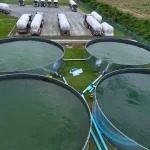
Reliable water storage is essential for agricultural operations. Farms often depend on dams to store water for irrigation, livestock, and other daily activities. However, many natural dams lose water over time due to seepage through soil and ground layers.
Understanding the benefits of farm dam liners helps explain why these protective barriers are widely used to improve water retention and support efficient farm water management.
What Farm Dam Liners are
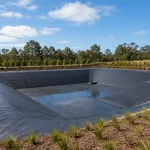
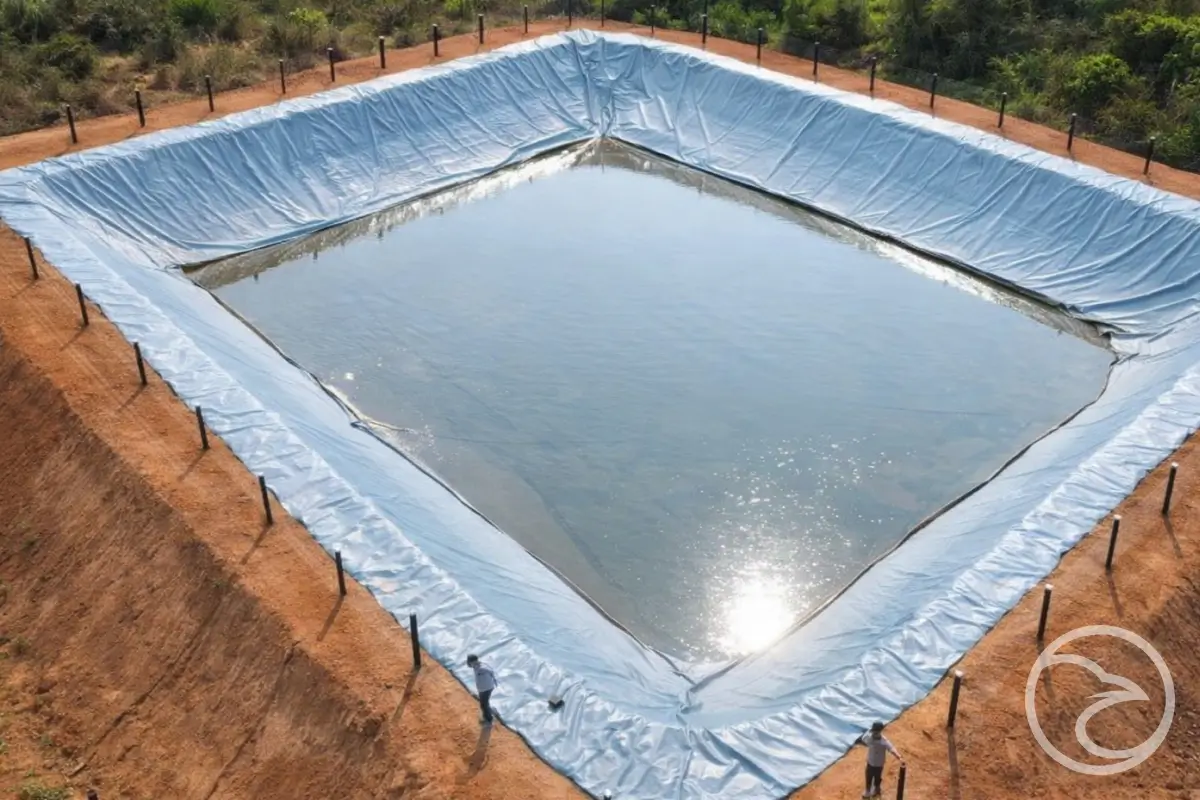
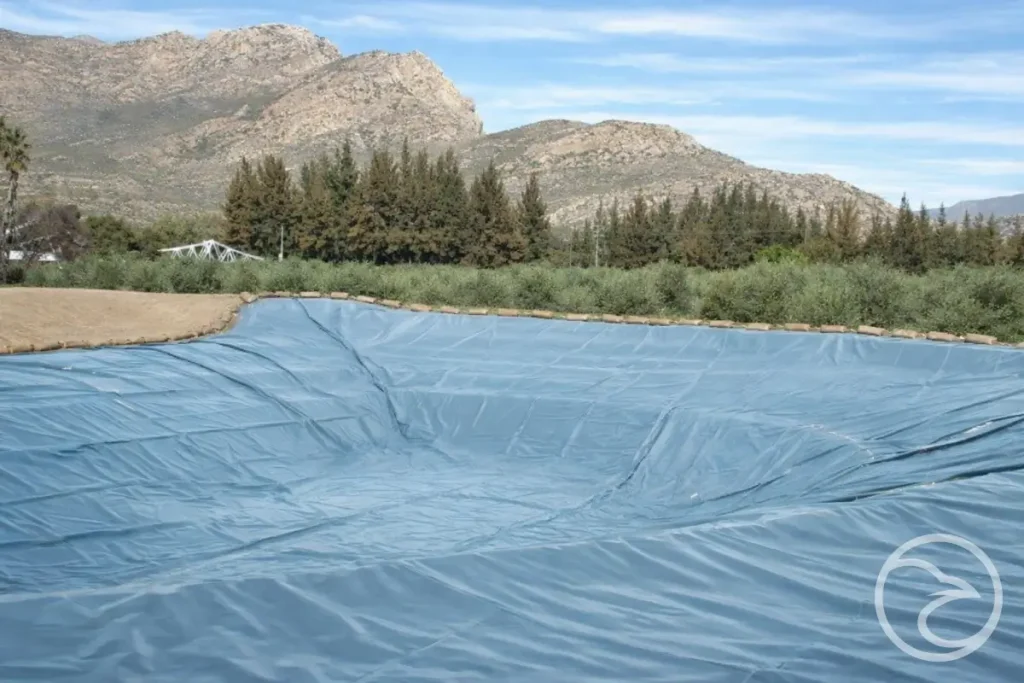
Farm dam liners are protective membranes installed inside dams or water reservoirs. Their main purpose is to prevent water from leaking into the surrounding soil.
Many farm dams are built in areas where the natural ground cannot hold water effectively. In these situations, a liner creates a waterproof barrier that keeps water contained within the dam.
These liners are typically made from durable materials designed to withstand environmental conditions and long-term water exposure. Farmers often rely on agricultural dam liners to maintain stable water levels during dry periods.
Why Water Loss Occurs in Farm Dams
Natural farm dams often experience water loss because the soil beneath them is porous. When water is stored in an unlined dam, it can gradually seep through the ground.
This seepage may lead to significant water loss over time. In dry regions or areas where rainfall is limited, losing stored water can create serious challenges for agricultural operations.
Installing a liner helps address this issue by preventing water from escaping through the base and sides of the dam.
Benefits of Farm Dam Liners
Farm dam liners provide several important advantages that improve the reliability of agricultural water storage.
Preventing water seepage
One of the most important benefits is reducing water loss. The liner forms a waterproof barrier that prevents seepage into surrounding soil.
By keeping water inside the dam, the storage system becomes much more efficient. This is particularly valuable in regions where water resources must be carefully managed.
Improving irrigation reliability
Consistent irrigation is essential for crop production. When dams lose water through seepage, irrigation systems may not receive enough supply during dry periods.
Dam liners help maintain stable water levels, allowing farmers to rely on stored water for irrigation when needed.
Increasing water storage efficiency
Because lined dams retain more water, the overall efficiency of the storage system improves. Farmers can store larger volumes of usable water without increasing the size of the dam.
This improved efficiency can help support both irrigation and livestock water needs.
Reducing maintenance issues
Unlined dams may develop erosion, structural instability, or muddy banks caused by water movement through soil layers.
Liners help stabilize the structure of the dam by controlling water flow and reducing internal erosion. This can reduce maintenance requirements over time.
Supporting water conservation
Water conservation is an important part of sustainable agriculture. Preventing unnecessary water loss helps farmers make better use of available resources.
Farm dam liners play a key role in improving water management by preserving stored water for longer periods.
Modern irrigation systems often include waterproof farm dam liners to support sustainable water management.
Maintaining Farm Dam Liners
Although liners are designed for long-term durability, periodic inspections are recommended. Checking the condition of the liner helps ensure it continues to perform effectively.
Routine inspections may include examining the liner surface, checking for damage, and ensuring that edges remain securely anchored.
Proper maintenance helps extend the lifespan of the liner and maintain reliable water storage.
Understanding the benefits of farm dam liners highlights the importance of effective water management in agriculture. By reducing seepage, improving irrigation reliability, and supporting water conservation, these liners provide a practical solution for maintaining stable farm water storage systems.