Liquid storage systems play a critical role in industrial, municipal, agricultural, and commercial operations. They support water supply, energy production, manufacturing processes, and environmental management. However, storing liquids — especially fuels, chemicals, or large water volumes — also introduces environmental risks. Effective environmental protection strategies help organizations manage these risks while maintaining reliable infrastructure performance.
Rather than focusing on single protective measures, modern storage management typically relies on a combination of engineering design, operational practices, and environmental monitoring.
Understanding Environmental Risks in Liquid Storage
Storage tanks can face multiple environmental pressures over time. Structural wear, corrosion, temperature fluctuations, soil movement, and operational stress all influence tank integrity. Even small leaks may gradually impact soil quality, groundwater systems, or surrounding ecosystems.
Because these risks often develop slowly, preventative planning is generally more effective than reactive remediation. Environmental protection strategies aim to minimize the likelihood of contamination before it occurs.
This proactive approach supports both operational continuity and environmental responsibility.
Containment as a Preventative Engineering Strategy
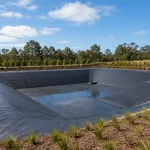
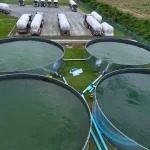
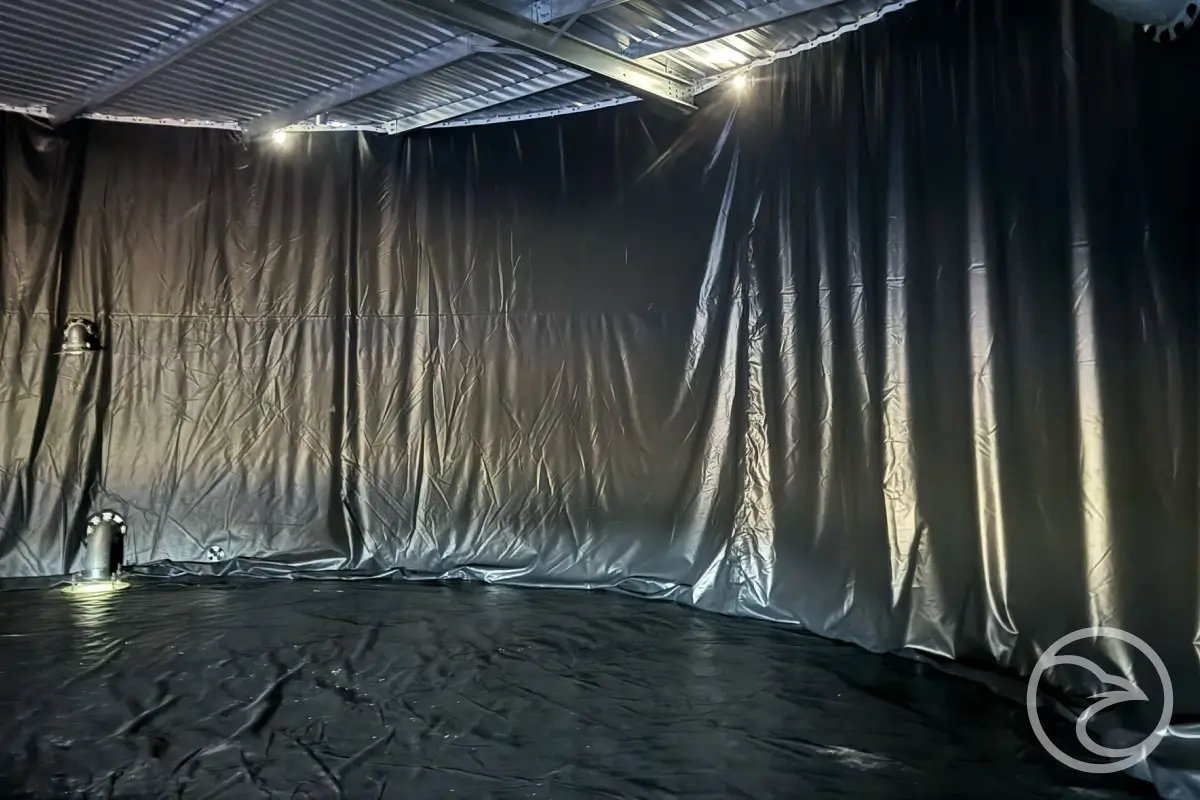
One widely recognized approach involves the use of containment systems designed to control potential leaks or overflows. These systems act as secondary protective layers that limit the spread of stored liquids beyond the primary storage structure.
Understanding how containment infrastructure fits into broader environmental protection strategies for liquid storagehelps infrastructure planners balance safety, compliance, and long-term sustainability. Containment solutions are typically considered alongside inspection programs, maintenance planning, and site-specific environmental assessments.
This integrated perspective improves overall risk management.
Material Selection and Compatibility Considerations
Environmental protection also depends heavily on material compatibility. Stored liquids can vary significantly in chemical composition, temperature range, and pressure conditions. Selecting appropriate construction and protective materials helps reduce the risk of corrosion, permeability, or structural degradation.
Engineers often evaluate:
- chemical resistance of materials
- durability under operational stress
- resistance to temperature variation
- long-term structural stability
These considerations support safe storage performance and help reduce environmental exposure over time.
Monitoring, Inspection, and Maintenance Practices
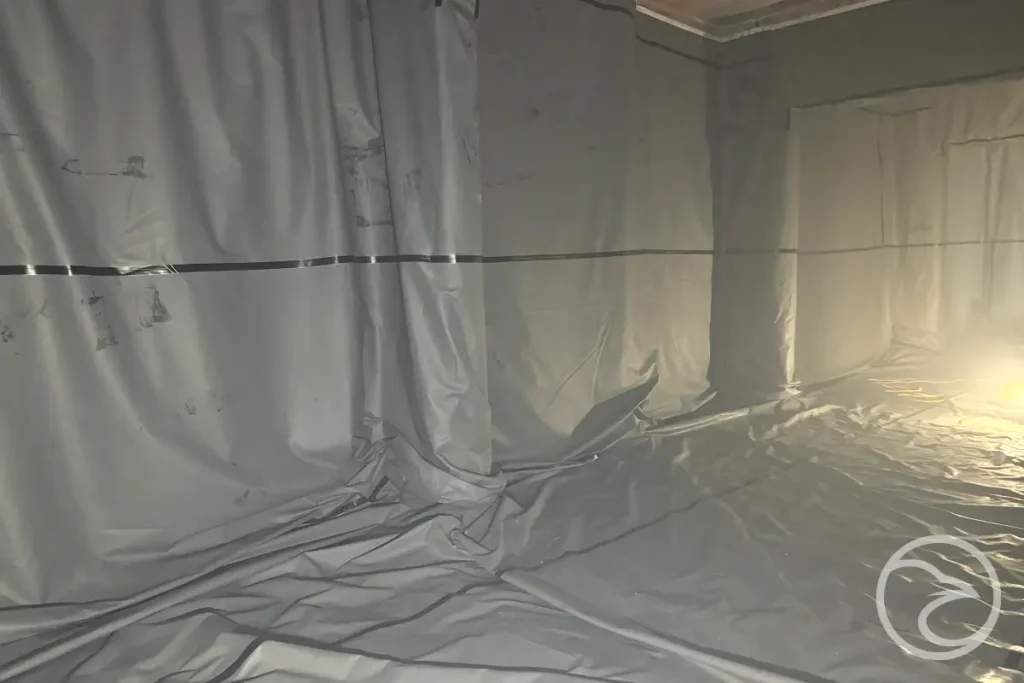
Routine monitoring plays an essential role in environmental protection. Regular inspections help detect early signs of corrosion, structural fatigue, or containment system wear before they develop into significant issues.
Environmental monitoring may include:
- visual inspections and structural assessments
- groundwater or soil testing near storage sites
- performance monitoring of containment structures
- scheduled maintenance planning
For readers seeking broader context, general information about storage containment infrastructure can provide additional insight into how protective systems are integrated into long-term risk management frameworks.
Adapting to Environmental and Operational Changes
Storage environments rarely remain static. Seasonal weather changes, groundwater level shifts, operational expansion, and surrounding land use can all influence storage infrastructure performance.
Flexible environmental protection strategies allow organizations to adapt to these changes without major redesigns. Modular containment structures, adaptable monitoring programs, and proactive maintenance planning all contribute to infrastructure resilience.
This lifecycle-focused approach supports both operational efficiency and environmental stewardship.
For additional background, general information about liquid storage containment systems can help clarify how protective infrastructure supports environmental safety.
The Long-Term Perspective on Sustainable Storage
Environmental protection is increasingly viewed as a core component of infrastructure planning rather than an optional consideration. Effective liquid storage strategies now prioritize prevention, adaptability, and long-term reliability, with environmental protection strategies for liquid storage becoming an essential part of responsible infrastructure design.
By understanding environmental protection strategies for liquid storage, organizations can better manage risk, protect surrounding ecosystems, and maintain safe operational conditions. Integrating engineering design, environmental awareness, and proactive maintenance supports more sustainable storage systems that remain reliable well into the future.