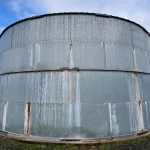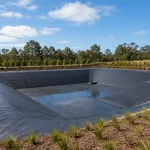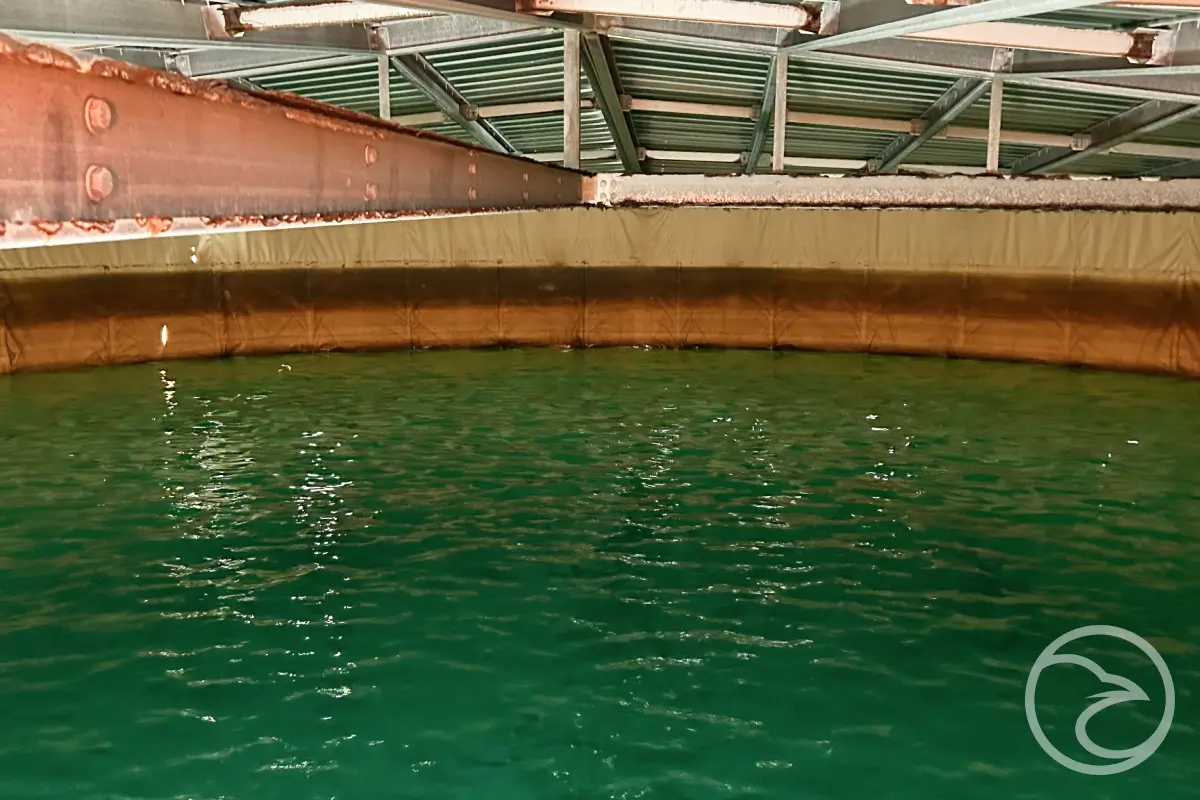
Water storage tanks are essential for industrial, commercial, agricultural, and municipal operations across Australia. Yet one of the most overlooked factors influencing long-term tank performance is the quality of the water stored inside. While external forces such as UV exposure, corrosion, and environmental wear can damage tank materials, internal water conditions may accelerate deterioration even faster.
Consistent water quality monitoring is one of the most effective ways to protect tanks, prevent system failures, and extend asset lifespan — especially for facilities relying on steel, concrete, HDG, or GRP structures.
Why Water Quality Plays a Critical Role in Tank Durability
Water stored inside a tank is never perfectly neutral. It naturally contains minerals, organic matter, dissolved gases, and microbial contaminants. Over time, these elements interact with tank surfaces, seals, coatings, and liners. When water conditions fall outside safe ranges, several types of internal damage can develop:
- Corrosion and pitting from oxygen imbalance, low pH, or high mineral content.
- Bacterial growth, including biofilms that attack coatings and create localised corrosion sites.
- Sediment accumulation, which causes abrasion, internal pressure changes, and liner wear.
- Chemical reactions when treated or recycled water interacts with tank materials.
By consistently tracking these variables, facility managers can detect issues early — long before they become structural threats.
Key Parameters that Must be Monitored
Effective water quality monitoring focuses on several measurable factors, each revealing early signs of internal tank stress:
- 1. pH Levels: Extreme pH values accelerate corrosion in steel tanks and degrade protective coatings. Maintaining stable, neutral pH prevents chemical breakdown and extends tank life.
- 2. Dissolved Oxygen: Oxygen is essential for water hygiene, but too much or too little creates corrosion risks. Monitoring ensures balanced conditions that don’t harm internal surfaces.
- 3. Turbidity and Sediment: High turbidity indicates suspended solids, which settle on the tank floor and scrape against liners. Long-term sediment buildup also increases the risk of leaks and structural warping.
- 4. Microbial Activity: Bacteria, algae, and fungi thrive in stagnant or nutrient-rich water. If left unmanaged, microbes develop into biofilms that weaken coatings and attack joints and fittings.
- 5. Chemical Concentrations: Chlorine, disinfectants, industrial additives, and minerals all affect how water interacts with tank materials. Regular testing prevents chemical-induced deterioration.
How Monitoring Extends Tank Lifespan
Early Detection of Internal Damage
Most structural failures begin with microscopic changes that go unnoticed. Routine monitoring highlights shifts in water chemistry so operators can intervene before irreversible damage occurs.
Prevention of Corrosion and Coating Failure
Corrosion is one of the leading causes of premature tank replacement. Stable water chemistry significantly slows corrosion rates and protects coatings, sealants, and welds.
Reduced Stress on Tank Liners
For facilities using protective liners, consistent monitoring ensures the internal environment does not degrade the liner material. This directly increases liner longevity and reduces repair frequency.
Improved Operational Efficiency
Clean, well-balanced water reduces maintenance requirements, lowers cleaning costs, and minimises downtime caused by contamination or emergency repairs.
The Role of Regular Testing Schedules
Water conditions can change quickly due to temperature shifts, rainfall, contamination, or system activity. Therefore, monitoring must be performed on a consistent schedule.
Many facilities choose:
- Weekly or bi-weekly basic tests
- Monthly full-spectrum lab testing
- Quarterly internal tank assessments
These routines create a reliable history of water chemistry, making it easier to predict long-term trends and adjust maintenance plans proactively.
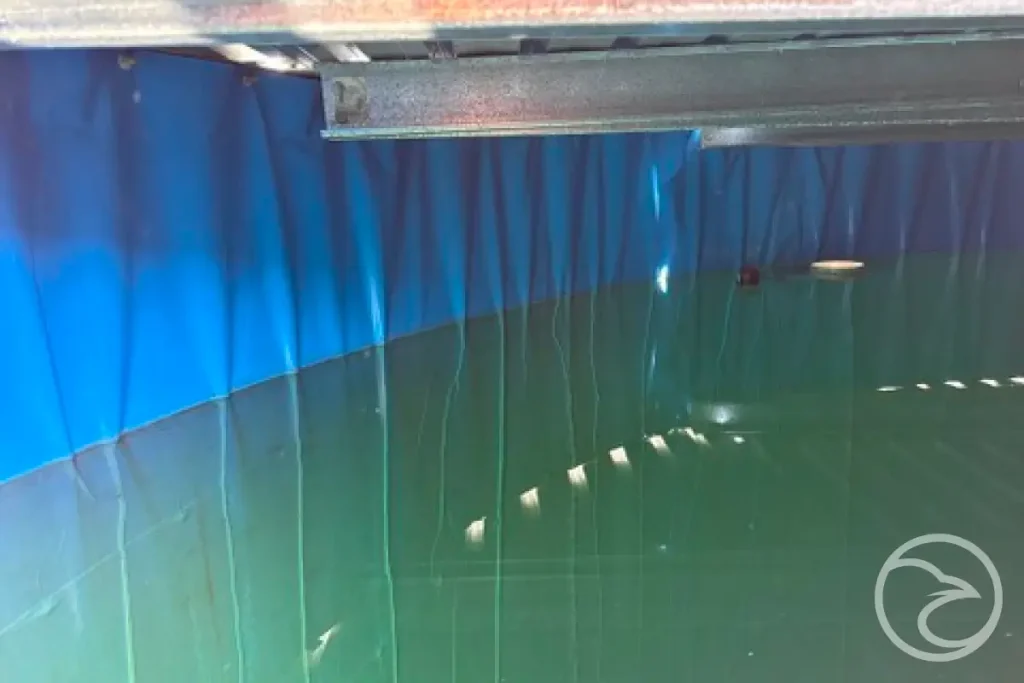
To improve long-term tank performance, many facilities rely on durable water tank liners that protect internal surfaces from corrosion, contamination, and chemical damage.
How Tank Liners Enhance Water Quality Stability
High-quality tank liners — such as PVC, polyethylene, EPDM, or specialised industrial membranes — play a vital role in reducing internal degradation. Liners create a smooth, inert barrier that prevents water from reacting directly with steel or concrete surfaces.
As a result:
- Corrosion slows dramatically
- pH and mineral levels stay more stable
- Bacterial growth risks decrease
- Sediment accumulation reduces
For many industries, installing or upgrading a liner is one of the most effective ways to maintain consistent water quality and protect long-term tank integrity.
A Long-Term Protection Strategy for Australian Facilities
Regular water quality monitoring is not just a compliance requirement — it is a critical maintenance practice that directly extends the lifespan of water tanks. By understanding internal water conditions, responding quickly to changes, and combining monitoring with protective solutions like tank liners, facilities can avoid costly repairs and unexpected failures.
For Australian industries that rely on dependable water storage, proactive monitoring is one of the simplest and most effective ways to preserve tank performance for decades.