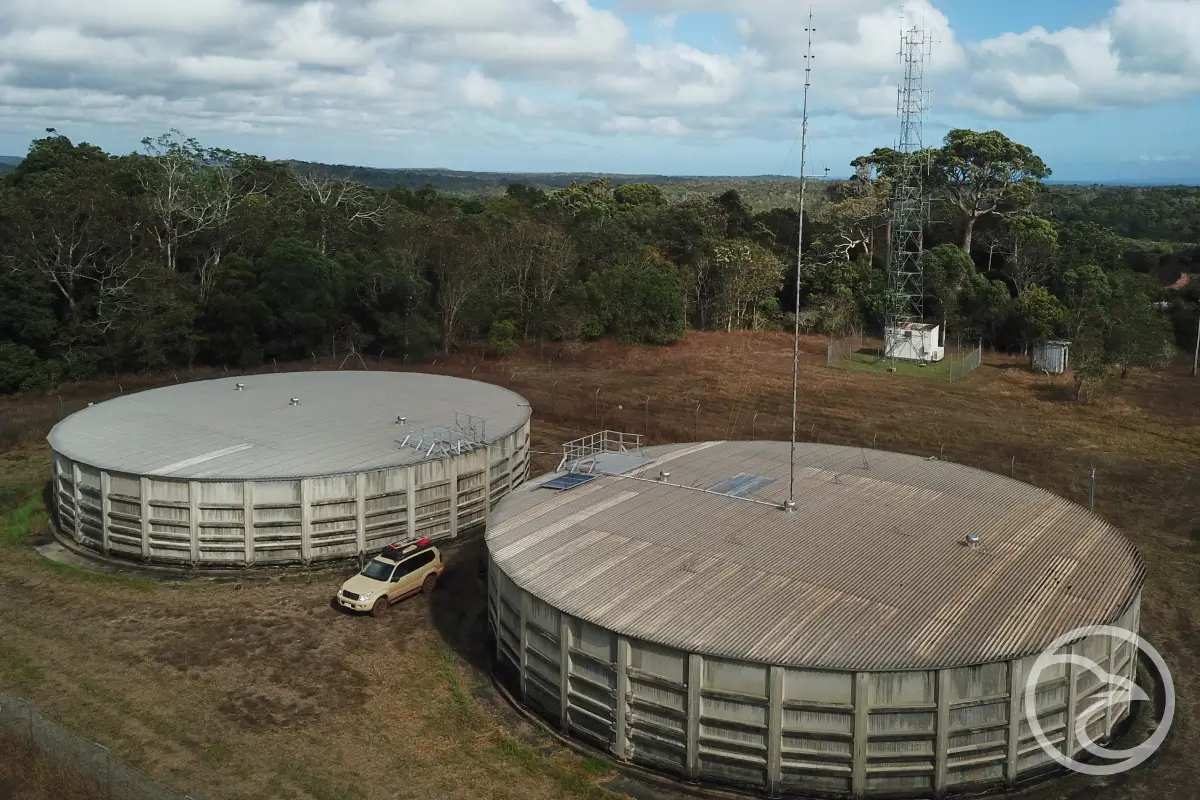
Water is one of the most valuable resources in rural Australia — especially for farms, livestock operations, vineyard irrigation, remote communities and properties that rely heavily on captured or stored water. However, the reality of the Australian climate means that evaporation is a constant challenge. High temperatures, low humidity, wind exposure and long dry seasons can significantly reduce the amount of usable water in rural tanks.
As rural water demands increase and climate variability intensifies, understanding how rural tank evaporation affects water efficiency becomes essential for every property owner. Below, we break down why evaporation is such a major issue, how it impacts water storage performance and what long-term solutions help reduce water loss.
1. Why Evaporation is More Severe in Rural Australia
Evaporation happens in every water tank, but rural tanks experience faster and more extreme evaporation rates due to:
- High solar exposure: Rural tanks are typically positioned in open paddocks or fields with no shade structures.
- Strong and persistent winds: Wind increases surface disturbance, which accelerates evaporation.
- Low humidity: Dry air absorbs water vapour faster, stripping moisture from tank surfaces.
- Large tank surface areas: Bigger diameters = larger exposed surface = more water loss.
- Long summer seasons: Many regions experience months of extreme heat, causing sustained water loss.
The combination of these environmental factors makes rural tanks particularly vulnerable to high evaporation and lower seasonal water efficiency.
2. How Evaporation Reduces Water Efficiency and Storage Capacity
Evaporation has a direct impact on water availability and long-term tank performance. This includes:
1. Significant Reduction in Usable Water Volume
On rural properties, even a 5–10% monthly evaporation rate can dramatically reduce the amount of water available for:
- livestock
- irrigation
- domestic supply
- fire preparedness
2. Higher Water Costs
If water must be hauled or pumped more frequently, farmers face increased operational expenses.
3. Concentration of Contaminants
As water evaporates, minerals, sediment and contaminants remain behind, increasing:
- salinity
- turbidity
- bacterial growth
- sediment buildup
This often reduces water quality faster than expected.
4. Reduced Water Pressure and Flow
Lower water levels affect gravity-fed and pump-driven systems, causing inefficiencies.
3. Why Large Rural Tanks Experience Even Faster Losses
Large tanks are an essential part of rural infrastructure, but their size can increase evaporation risks.
Large Surface Area = High Loss Rates
Surface area determines evaporation more than depth — a wide, shallow tank loses water faster than a deep, narrow one.
Low Circulation Leads to Thermal Layering
Warm surface water evaporates rapidly, while colder water sits below. This layering accelerates contamination and evaporation.
Exposed Metal and Hot Surfaces Increase Heating
Unlined metal tanks attract heat, warming water faster and increasing evaporation rates.
Because rural storage often includes dams, ponds and open reservoirs, evaporation becomes an even more significant concern. Using dam liner options is one of the most effective ways to reduce seepage and overall water los.
4. The Long-Term Effects of Evaporation on Rural Water Systems
Over time, unchecked evaporation leads to:
- declining water reserves
- increased sediment concentration
- faster microbial growth
- liner deterioration (if unprotected)
- reduced irrigation performance
- lower livestock hydration quality
When evaporation speeds up water degradation, tanks require more frequent maintenance and cleaning — increasing operating costs for rural properties.
5. How Rural Tank Liners Help Reduce Water Loss
One of the most effective strategies to combat evaporation and protect water quality is installing a high-quality internal liner. Rural tank liner solutions help reduce evaporation impacts by:
- Stabilising Water Temperature: Linings reduce heat transfer from tank walls, preventing water from heating too quickly.
- Minimising Contamination: A smooth, impermeable liner stops sediment accumulation and reduces bacterial growth.
- Preventing Seepage Losses: Evaporation isn’t the only enemy — seepage can silently drain thousands of litres annually.
6. Farm Dams Are Especially Vulnerable to Evaporation
Farm dams are exposed to the harshest conditions — no cover, large surface area, shallow depth and continuous temperature cycling. These factors create extreme evaporation losses.
How Farm Dam Liners Help:
- reduce seepage loss
- improve water retention
- stabilise dam walls
- reduce contamination from soi
- maintain water depth for livestock and irrigation
Learn more about farm dam liner systems.
7. Additional Ways to Reduce Evaporation Losses
Beyond lining, rural property owners can reduce evaporation by:
- installing floating evaporation covers
- using windbreak structures
- choosing deeper tanks over wide-shallow tanks
- reducing surface agitation
- performing regular cleaning and maintenance
- improving turnover to prevent warm water pooling
When combined with proper lining systems, these methods can drastically improve overall water efficiency.
Final Recommendation
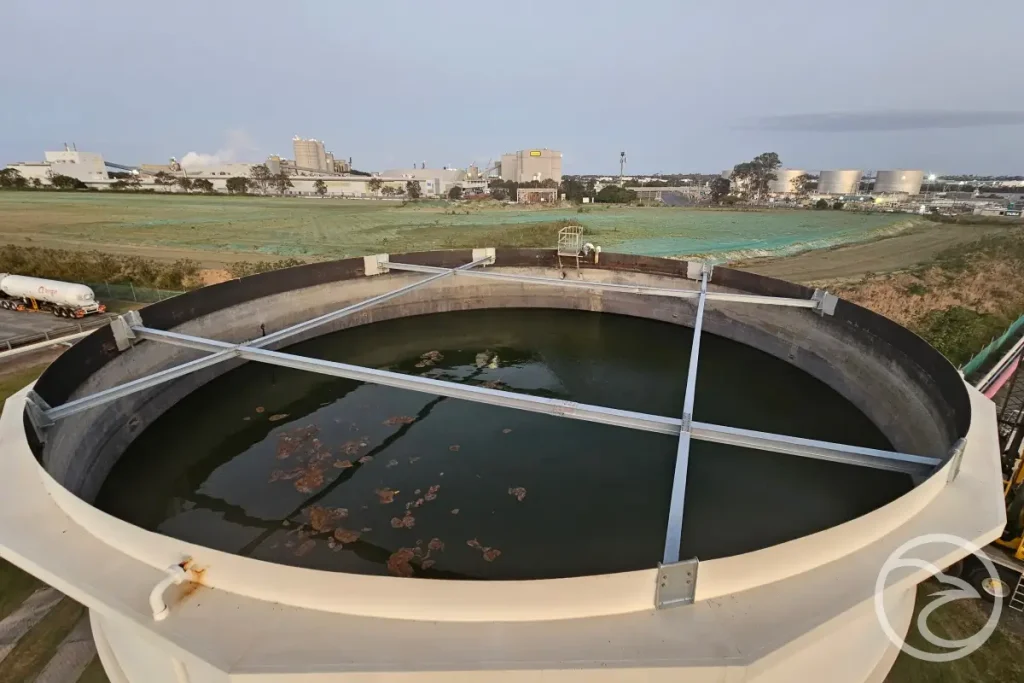
Evaporation is one of the most significant contributors to water loss in rural Australia. Although climate conditions cannot be controlled, property owners can reduce losses by protecting their tanks with high-quality liners, improving water turnover and maintaining stable storage conditions. By addressing rural tank evaporation proactively, farmers and rural operators can preserve precious water resources, reduce operational costs and maintain reliable supply year-round.