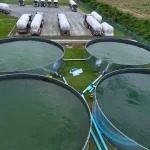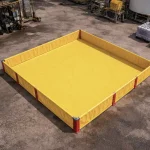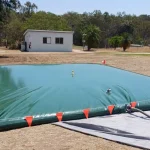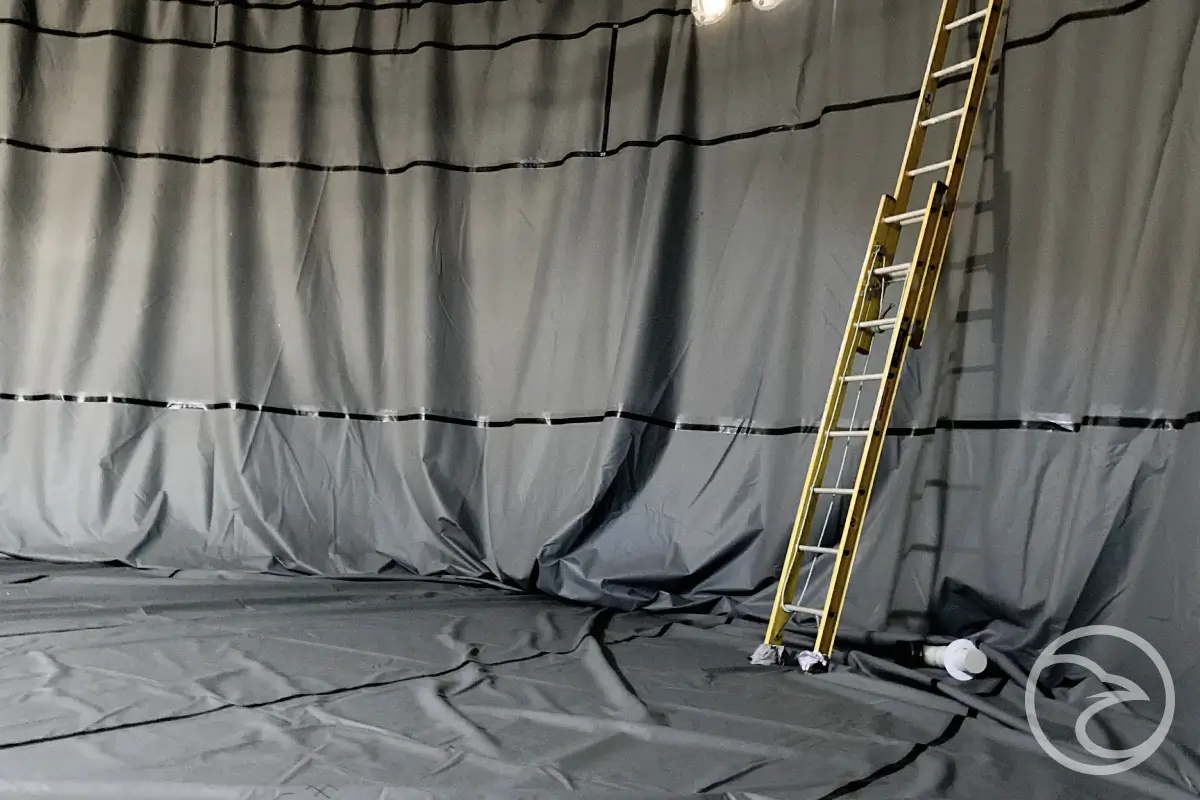
Storage tanks play a vital role in industrial, municipal, agricultural, and commercial infrastructure. They are used to store water, fuels, chemicals, and other liquids that support essential operations. While tank design typically focuses on strength and capacity, long-term performance depends heavily on protection strategies that address environmental exposure, operational stress, and material durability. Understanding long-term protection strategies for storage tanks helps organizations maintain safe, reliable storage infrastructure over time.
Rather than relying on a single solution, effective tank protection usually involves a combination of engineering design, maintenance planning, environmental awareness, and monitoring practices.
Managing Environmental Exposure
Storage tanks are constantly exposed to environmental conditions that influence their longevity. Temperature fluctuations, UV radiation, moisture, chemical exposure, and soil movement can gradually affect tank materials and structural components.
Protective measures often focus on minimizing these impacts through appropriate material selection, protective coatings, containment approaches, and site-specific engineering design. These strategies help reduce corrosion risks, structural fatigue, and environmental deterioration.
Planning for environmental exposure early in the infrastructure lifecycle can significantly improve long-term tank performance.
Routine Inspection and Monitoring Practices
Regular inspections are essential for maintaining storage tank reliability. Small issues such as minor corrosion, surface degradation, or joint wear can develop into larger problems if left undetected.
Monitoring strategies may include:
- scheduled visual inspections
- structural integrity assessments
- leak detection measures
- environmental monitoring near storage sites
Consistent inspection programs help organizations identify emerging risks before they impact operational safety or environmental compliance.
For those exploring broader infrastructure protection approaches, general resources on storage containment and protective systems can provide useful technical context without focusing on specific products or services.

Material Compatibility and Protective Design
Selecting materials suited to the stored liquid is another key element of long-term protection. Chemical composition, temperature range, and operational pressure all influence how tank materials perform over time.
Engineering design typically considers:
- corrosion resistance
- permeability characteristics
- structural flexibility
- resistance to environmental stressors
Proper compatibility between materials and stored substances helps reduce degradation risks and supports stable tank performance.
Adapting to Changing Operational Conditions
Industrial environments rarely remain static. Changes in stored materials, production demands, climate conditions, or surrounding infrastructure can all affect tank performance.
Flexible protection strategies allow infrastructure to adapt without requiring full system replacement. Modular containment features, adaptable monitoring systems, and proactive maintenance approaches support this flexibility.
This adaptability contributes to both operational efficiency and environmental safety.
A Long-Term Perspective on Storage Reliability
As infrastructure expectations continue to evolve, long-term protection strategies for storage tanks are increasingly viewed as essential rather than optional. Effective protection supports environmental safety, regulatory compliance, operational continuity, and infrastructure sustainability.
By combining sound engineering design, regular inspections, environmental awareness, and proactive maintenance planning, organizations can maintain reliable storage systems well into the future. A lifecycle-focused approach helps ensure that storage tanks continue to perform safely while minimizing environmental and operational risks.
Readers seeking technical context can explore general resources on protective systems for liquid storage infrastructure to better understand these strategies.