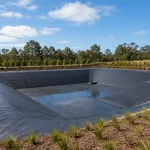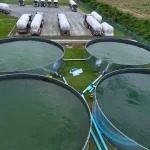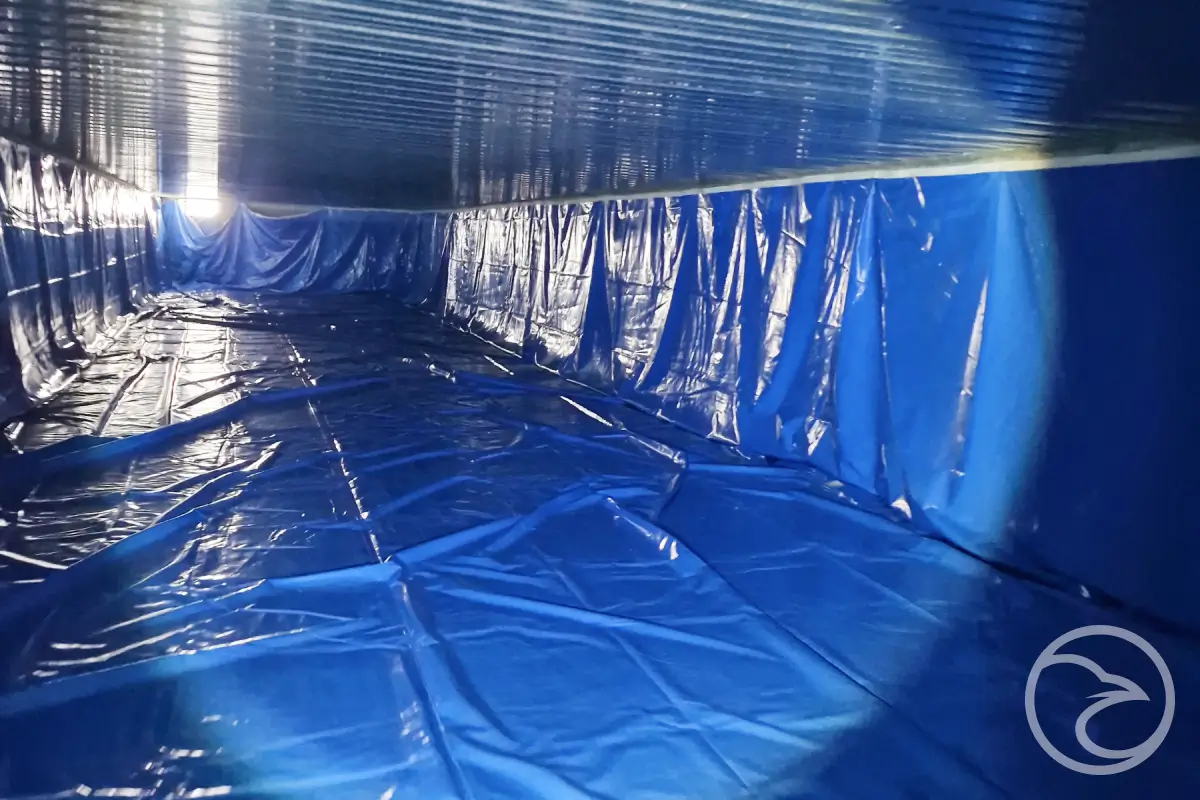
Underground infrastructure plays a crucial role in industrial operations, including storage tanks, containment systems, pipelines, and utility structures. Exposure to groundwater, soil moisture, and environmental conditions can compromise structural integrity over time. Installing effective underground waterproof lining helps protect infrastructure from leaks, corrosion, and long-term deterioration.
Reliable waterproofing solutions support operational safety, environmental protection, and infrastructure longevity.
Why Underground Waterproofing Matters
Underground structures face constant exposure to moisture and pressure from surrounding soil and water. Without proper lining systems, infiltration can lead to corrosion, contamination, and structural damage.
Effective underground waterproof lining helps:
Prevent water ingress
- Protect structural materials
- Maintain containment integrity
- Reduce maintenance costs
- Improve operational reliability
Proactive waterproofing significantly reduces long-term infrastructure risks.
Common Applications of Underground Waterproof Lining
Waterproof lining solutions are widely used across industrial sectors.
Typical applications include:
- Underground storage tanks
- Secondary containment systems
- Utility vaults and tunnels
- Industrial basements and infrastructure spaces
- Environmental protection containment areas
In each case, reliable waterproofing ensures structural stability and operational safety.
Types of Waterproof Lining Systems
Different lining solutions are used depending on environmental conditions and infrastructure requirements.
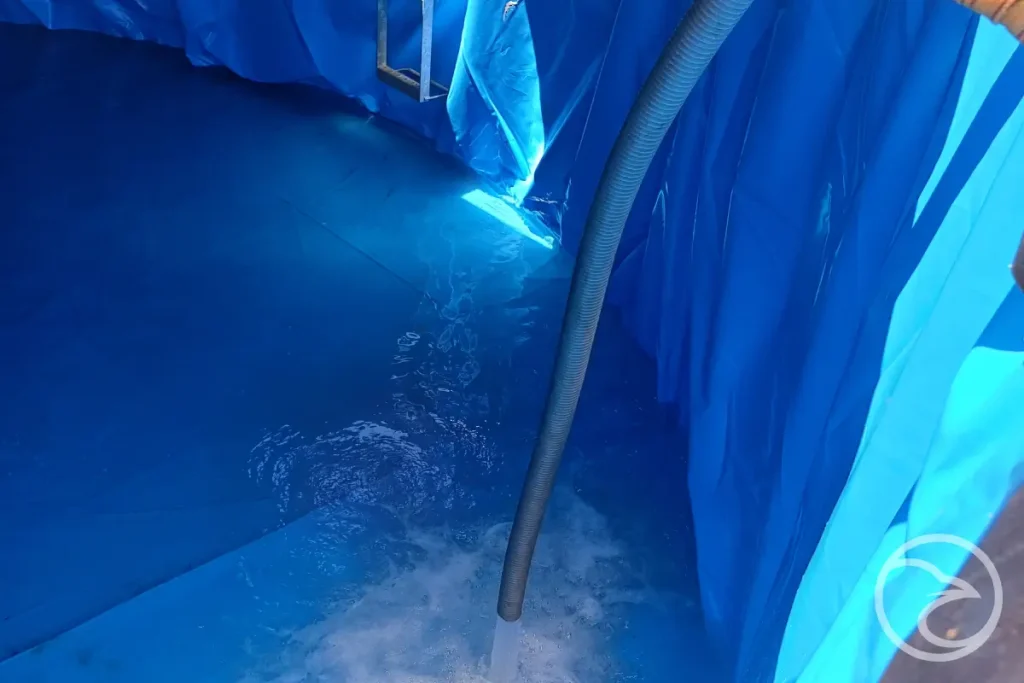
- Flexible Membrane Liners: Flexible membranes adapt to irregular surfaces and structural movement. They provide effective waterproof barriers for underground containment areas.
- Protective Coating Systems: Coatings applied directly to structural surfaces help prevent moisture penetration and corrosion.
- Composite Lining Solutions: Multi-layer systems combine membranes, coatings, and protective layers for enhanced durability.
Selecting the appropriate system is essential for effective underground waterproof lining performance.
Maintenance and Monitoring
Even durable lining systems require periodic monitoring.
Recommended maintenance practices include:
- Routine visual inspections
- Monitoring for leaks or damage
- Cleaning and sediment control
- Documentation for compliance purposes
Consistent maintenance supports infrastructure reliability.
Environmental and Safety Benefits
Effective underground waterproof lining helps protect surrounding environments by preventing leaks and contamination. This is particularly important for industrial sites handling water, chemicals, or process liquids.
Environmental protection measures also support regulatory compliance and corporate sustainability goals.
Cost Efficiency and Longevity
Waterproof lining installation can reduce long-term operational costs by minimizing repair frequency and extending infrastructure lifespan. Preventive waterproofing is often more cost-effective than addressing structural damage later.
Facilities that prioritize infrastructure protection typically achieve better lifecycle cost outcomes.
Modern industrial projects frequently adopt dependable underground protection solutions for moisture control.
Conclusion
Underground infrastructure requires reliable protection against moisture, leaks, and environmental exposure. Effective underground waterproof lining helps maintain structural integrity, improve safety, and extend operational lifespan.
With proper installation and maintenance, waterproof lining systems provide long-term protection for industrial infrastructure and containment systems.