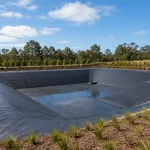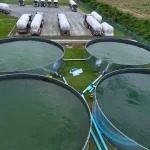
Liquid storage systems are essential across agriculture, industry, infrastructure, and environmental management. Whether used for water reserves, process liquids, or environmental containment, storage systems must be carefully designed to ensure reliability, safety, and long-term performance.
Understanding the factors influencing liquid storage system design helps infrastructure planners, engineers, and facility operators develop storage solutions that remain effective under changing environmental and operational conditions.
Environmental Conditions and Site Characteristics
Environmental factors often play a major role in shaping storage system design. Climate, temperature variation, rainfall patterns, and site-specific environmental conditions all influence how storage infrastructure performs over time.
Important environmental considerations include:
- exposure to temperature fluctuations
- precipitation patterns and drainage conditions
- soil characteristics and ground stability
- environmental exposure such as wind or sunlight
Design planning typically accounts for these factors to ensure storage systems remain stable and functional in their intended environment.
Storage Requirements and Operational Needs
The intended purpose of a storage system strongly influences its design. Different liquids, storage volumes, and operational cycles may require different structural approaches and containment strategies.
Operational considerations may include:
- storage capacity requirements
- frequency of filling and emptying
- liquid characteristics and usage patterns
- operational accessibility needs
Understanding these requirements supports more effective infrastructure planning and long-term usability.
Structural Configuration and Material Behaviour
Storage systems must balance structural integrity with environmental compatibility. Design decisions often consider durability, flexibility, and resistance to environmental stress.
Factors influencing structural design may involve:
- load distribution and structural support
- material response to environmental exposure
- compatibility with stored liquids
- expected lifespan and maintenance considerations
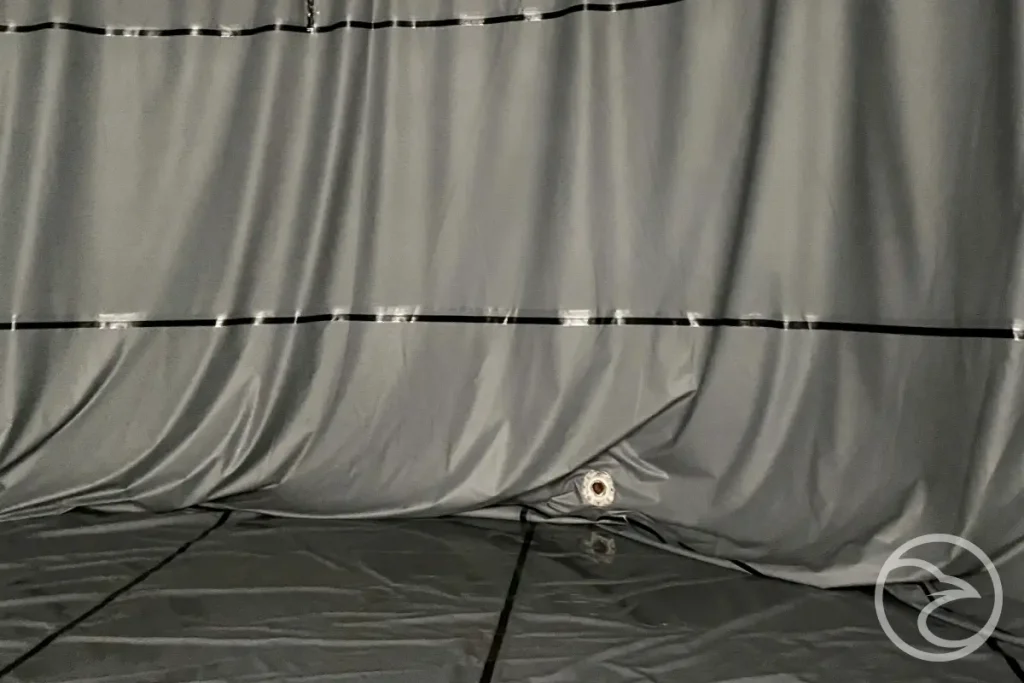
General information about storage containment protection approaches can provide useful context when evaluating how infrastructure protection strategies support reliable liquid storage.
Regulatory and Environmental Responsibility
Modern infrastructure design increasingly considers environmental responsibility and regulatory compliance. Storage systems must align with environmental standards while minimising risks to surrounding ecosystems.
This may involve:
- environmental impact considerations
- site-specific compliance requirements
- infrastructure safety planning
- sustainable storage practices
These considerations help ensure storage infrastructure remains both effective and environmentally responsible.
Long-Term Maintenance and Lifecycle Planning
Design planning often includes consideration of long-term performance and maintenance awareness. Infrastructure that anticipates environmental variability and operational changes tends to perform more reliably over time.
Lifecycle planning may include:
- monitoring accessibility
- adaptability to changing operational needs
- infrastructure resilience strategies
- long-term performance evaluation
These factors support more sustainable infrastructure management.
Supporting Reliable Liquid Storage Infrastructure
Understanding the factors influencing liquid storage system design helps organisations create storage solutions that balance environmental conditions, operational needs, and infrastructure longevity. Careful planning contributes to safer containment, improved operational reliability, and more sustainable long-term performance.
As infrastructure requirements evolve, awareness of these design influences remains essential for maintaining effective liquid storage systems across diverse industries.