
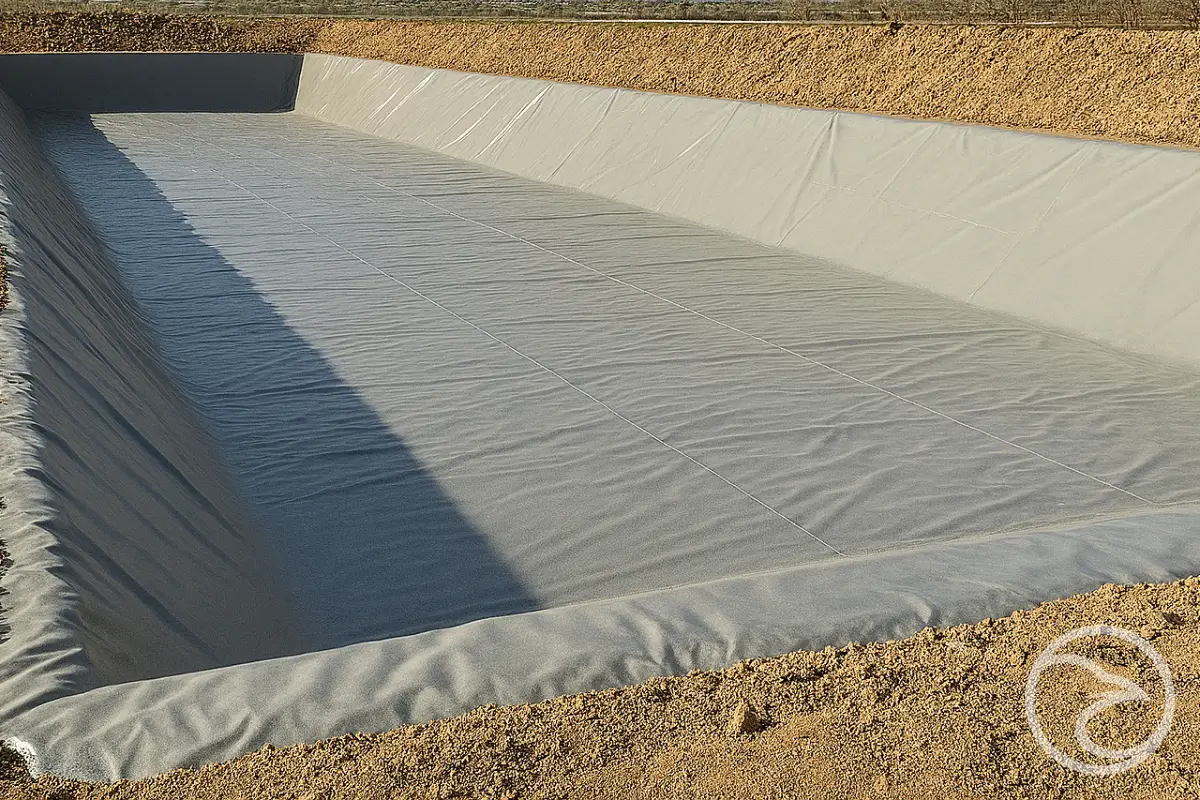
Industrial, agricultural, and commercial operations frequently store liquids such as fuels, chemicals, oils, and water. While these materials are essential for operations, accidental spills can create environmental, safety, and financial risks. Environmental spill prevention systems are designed to minimize these risks by containing leaks, supporting safe storage practices, and helping organizations maintain regulatory compliance.
Understanding how these systems work and why they matter helps facilities protect both infrastructure and surrounding ecosystems.
Why Spill Prevention Systems Matter
Uncontrolled liquid spills can affect soil, groundwater, nearby waterways, and air quality. Even relatively small leaks may lead to costly cleanup efforts, operational downtime, and environmental liabilities. Prevention systems provide a controlled barrier that limits the spread of liquids if primary storage fails.
Beyond environmental protection, these systems also support workplace safety by reducing slip hazards, fire risks, and exposure to potentially hazardous substances.
Types of Spill Prevention Solutions
Environmental spill prevention systems come in several forms depending on storage requirements and site conditions. Common solutions include secondary containment structures, protective barriers, drainage control features, and specialized surface protection systems.
These solutions work together to capture leaks, control runoff, and reduce the likelihood that spilled materials reach sensitive environments. The right approach depends on stored materials, climate conditions, and regulatory requirements.
Environmental and Regulatory Considerations
Many industries operate under environmental regulations that require appropriate containment measures. These regulations often focus on preventing contamination of soil and water resources while promoting responsible storage practices.
Facilities that implement well-designed spill prevention systems typically find it easier to demonstrate compliance, reduce environmental risk, and maintain operational continuity.
Design Factors that Influence Effectiveness
Several factors influence how effective a spill prevention system will be:
- Storage capacity and volume – Larger storage systems require appropriately sized containment measures.
- Type of stored liquid – Chemical properties affect containment material selection.
- Site conditions – Climate, terrain, and drainage patterns all play a role.
- Operational activity – Frequent loading, unloading, or transfer processes may increase spill risk.
Careful planning helps ensure containment systems perform reliably under real-world conditions.
Maintenance and Monitoring Awareness
Although prevention systems are designed for durability, ongoing awareness is still important. Environmental exposure, operational wear, and material aging can gradually affect performance. Periodic observation and routine system checks help maintain effectiveness over time.
In many facilities, preventive containment system evaluations help identify potential weaknesses before they lead to environmental incidents. This proactive approach supports safer storage practices without requiring major interventions.
Benefits Beyond Compliance
Environmental spill prevention systems offer advantages beyond meeting regulatory requirements. They can:
- Reduce environmental cleanup costs
- Support safer working conditions
- Improve operational reliability
- Enhance environmental responsibility initiatives
- Protect brand reputation and stakeholder trust
Organizations increasingly view these systems as part of broader sustainability and risk-management strategies.

Adapting to Changing Environmental Conditions
Climate variability, evolving regulations, and growing environmental awareness mean spill prevention strategies must remain adaptable. Facilities may update containment approaches as storage needs change or as environmental expectations evolve.
Flexible planning helps ensure long-term effectiveness while supporting both operational and environmental goals.
Some sites rely on protective liquid containment systems to reduce environmental spill risks.
Supporting Responsible Storage Practices
Environmental spill prevention systems play a critical role in modern infrastructure. By reducing environmental risks, supporting regulatory compliance, and enhancing safety, they help facilities operate more responsibly and efficiently.
When properly planned and consistently monitored, these systems contribute to safer storage environments, stronger environmental protection, and more resilient industrial operations over time.


