
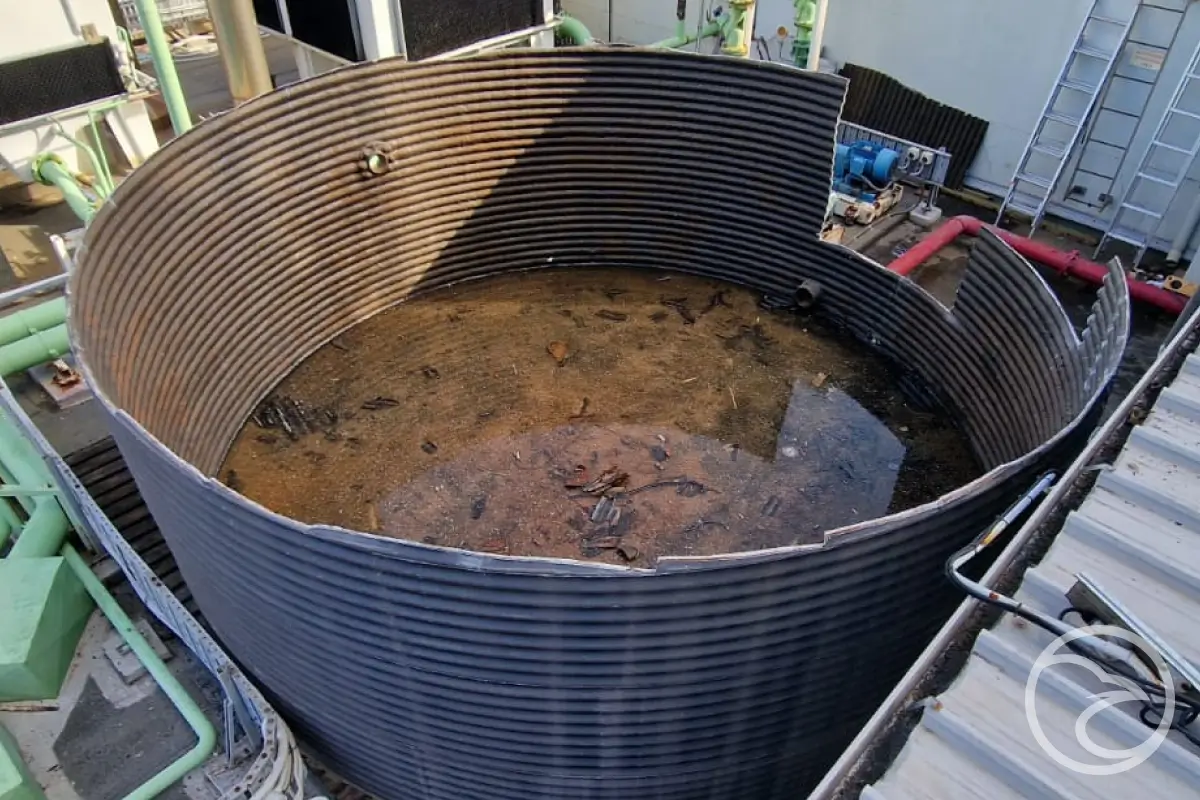
Commercial tank structural issues develop as a result of long-term exposure to operational, environmental, and material-related factors. Unlike residential tanks, commercial tanks are typically larger, subject to higher usage demands, and exposed to more complex operating conditions. These factors combine to create structural challenges that emerge gradually rather than as sudden failures.
Understanding how and why structural issues form in commercial tanks helps explain long-term performance trends and supports more accurate interpretation of ageing-related changes.
The Nature of Structural Stress in Commercial Tanks
Commercial tanks are designed to withstand constant internal pressure and varying load conditions. However, continuous operation, frequent filling cycles, and fluctuating water levels introduce repeated mechanical stress. Over time, this stress can affect tank walls, joints, and support structures.
Structural stress is often unevenly distributed. Areas such as seams, panel connections, and base sections experience higher load concentrations. These zones are typically the first to show early signs of structural change, even when the rest of the tank appears stable.
Material Fatigue and Long-Term Use
Material fatigue is a common contributor to commercial tank structural issues. Repeated stress cycles gradually reduce material flexibility and strength. In steel tanks, this may appear as deformation or thinning, while concrete tanks may develop microcracks that expand slowly under continued load.
Composite and lined tanks are not immune to fatigue. Although they offer improved resistance to certain conditions, long-term exposure to pressure and movement can still influence structural interfaces. Fatigue-related changes usually develop incrementally, making them difficult to detect without internal assessment.
Environmental Influences on Structural Integrity
External environmental conditions significantly influence structural behaviour in commercial tanks. Temperature fluctuations cause expansion and contraction of tank materials, introducing cyclic stress. Seasonal changes can amplify this effect, particularly in outdoor installations.
Humidity, rainfall, and surrounding ground conditions also affect tank structures. Moisture ingress or ground movement can place additional stress on tank foundations and walls. Over time, these environmental factors contribute to subtle but cumulative structural changes.
Internal Conditions and their Structural Impact
Internal tank conditions play an equally important role in structural performance. Prolonged static water storage, sediment accumulation, and uneven circulation can create localised stress points. Sediment buildup at the tank base increases load in specific areas, altering how weight is distributed across the structure.
Water chemistry may also influence internal surfaces. While chemical effects are often associated with material degradation, they can indirectly contribute to structural issues by weakening surface layers and increasing susceptibility to mechanical stress.
Common Structural Issue Patterns
Commercial tank structural issues often follow predictable patterns. Wall deformation may develop gradually under sustained pressure. Joint separation or movement can occur where panels meet, especially in modular tank designs. Base settlement may lead to uneven loading, increasing stress on vertical walls.
These patterns rarely appear in isolation. Instead, they interact over time, creating compounded effects that influence overall tank stability. Understanding these interactions helps explain why structural issues often become more noticeable as tanks age.
Over time, these structural changes become part of broader system behaviour, a topic often examined within wider analyses of structural performance and integrity in commercial tank systems.
Operational Practices and Structural Behaviour
Operational practices strongly influence structural outcomes. Frequent filling and emptying cycles introduce dynamic stress that differs from static storage conditions. Rapid level changes can increase internal pressure variation, affecting wall and joint stability.
Maintenance activities, access events, and testing procedures also introduce temporary loads. While these actions are necessary, their cumulative impact contributes to long-term structural behaviour in commercial tanks.

Long-Term Implications of Structural Issues
If left unaddressed, commercial tank structural issues can affect overall system reliability. Structural changes may alter load paths, increase stress concentration, or reduce safety margins. These effects typically develop slowly, making early interpretation challenging.
Rather than indicating immediate failure, most structural issues reflect long-term adaptation of materials and structures to operating conditions. Understanding this context supports more realistic expectations of tank performance over time.
Interpreting Structural Issues as Part of Tank Ageing
Commercial tank structural issues should be viewed as part of the natural ageing process of large-scale storage systems. Over extended service lives, tanks respond to continuous stress, environmental exposure, and operational demands.
By recognising common structural issue patterns and their underlying causes, engineers and facility managers can better interpret observed changes. This understanding supports informed planning and reinforces the importance of structural behaviour analysis in managing commercial tank systems.


