
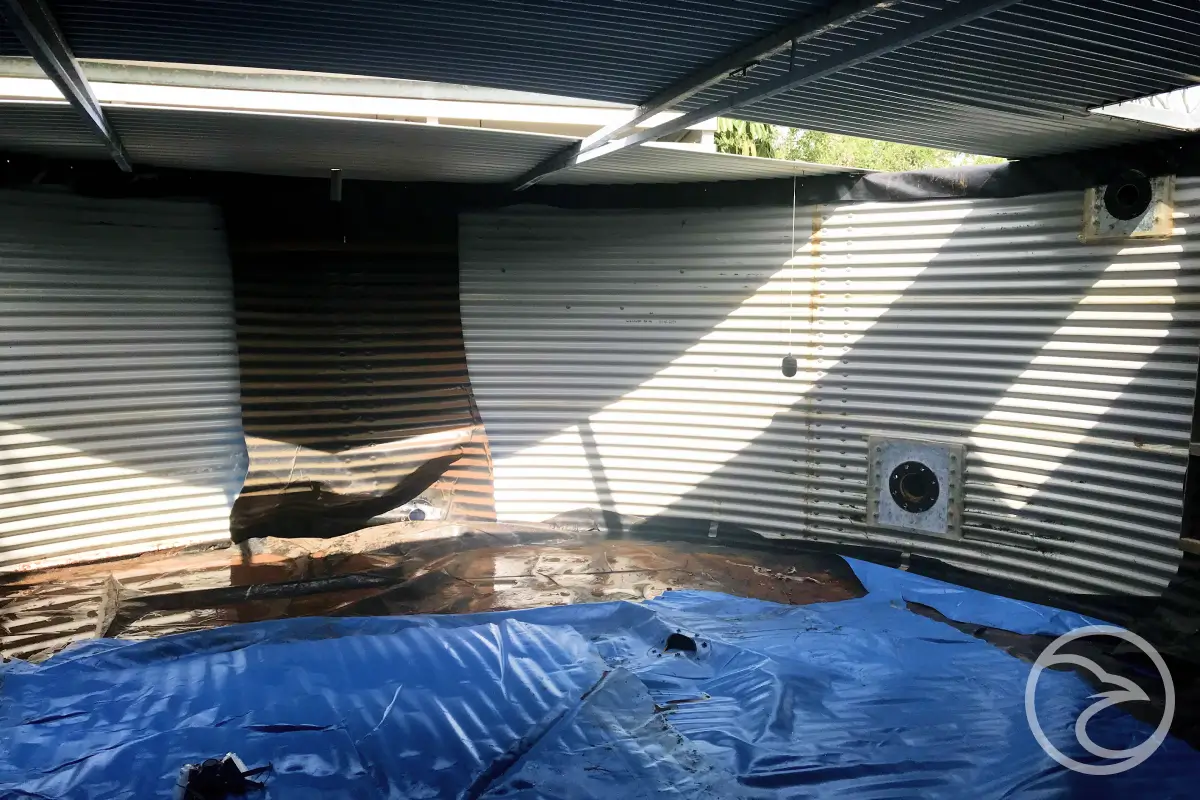
Soil conditions play a major role in the long-term performance of rural and agricultural water tanks. While most tank owners focus on visible wear, leaks, or ageing materials, the ground beneath the tank is often the hidden factor that causes the most damage over time. In many cases, soil movement tank liners are directly affected because shifting foundations create pressure, distortion, or stress points on the internal surfaces of a tank.
This article explains how soil movement contributes to liner deterioration, why rural and agricultural tanks are particularly vulnerable, and which early warning signs help prevent major failures.
Understanding Soil Movement in Rural Settings
Soil movement refers to shifts or changes in the ground that occur naturally or due to environmental factors. In rural and agricultural areas, soil movement is common because ground conditions are influenced by:
- seasonal moisture fluctuations
- prolonged drought followed by heavy rain
- soil type (clay-rich soils expand and contract significantly)
- livestock activity and vibration
- nearby machinery and equipment loads
- erosion caused by irrigation or drainage flow
These movements may seem minor on the surface, but even small shifts can create structural stress inside a tank over time.
Why Rural and Agricultural Tanks are More Exposed
Unlike urban installations that often sit on engineered foundations, rural tanks are frequently placed on:
- compacted soil
- gravel bases
- simple sand pads
- slightly uneven terrain
While these bases are standard for many agricultural tanks, they are more sensitive to environmental changes. As the ground settles, expands, or shifts, the entire tank structure absorbs the force — and the liner absorbs the internal distortion.
How Soil Movement Damages Tank Liners
Soil shifts affect tank liners in several ways. Even if the external tank shell looks stable, changes beneath the base can cause significant internal damage.
1. Base Distortion and Uneven Pressure
When the soil under the tank moves, the base can warp or shift. This creates uneven pressure against the liner, leading to:
- stretching
- tension spots
- weakened seams
- eventual tearing
This is one of the most common causes of liner deformation in older rural installations.
2. Wall Flexing and Structural Stress
If the ground moves unevenly around the tank perimeter, the walls can flex slightly. Even small, repeated movements weaken the liner’s internal surface, especially around:
- joint areas
- corners
- pipe penetrations
- anchoring points
Over time, this stress compromises the liner’s structural integrity.
3. Increased Risk of Creases and Fold Failure
As tanks shift, liners may develop new creases or folds. These areas experience constant friction as water moves in and out, wearing down the liner material. This type of damage often goes unnoticed until a leak appears.
4. Stretching and Material Fatigue
Soil expansion — especially in high-clay soils — can push upward or outward against the tank. This stretches the liner, causing:
- thinning of material
- weakening of reinforced layers
- loss of flexibility
Once a liner loses elasticity, further soil movement accelerates deterioration.
5. Edge Lifting and Perimeter Gaps
When soil contracts during dry seasons, it can pull away from the tank base. This causes sections of the liner near the wall or foundation to lift or shift out of place. These gaps become weak points that eventually tear.
Signs That Soil Movement is Affecting Your Tank Liner
Rural tank owners often miss the early indicators because many issues occur below the waterline. Signs to monitor include:
- creasing or wrinkling suddenly appearing in the liner
- visible stretching or thinning in certain areas
- changes in water level without signs of surface leaks
- soft spots at the tank base
- wall bulging or minor shape changes
- sediment patterns indicating movement at the tank floor
The sooner these symptoms are caught, the easier it is to prevent major liner failure.
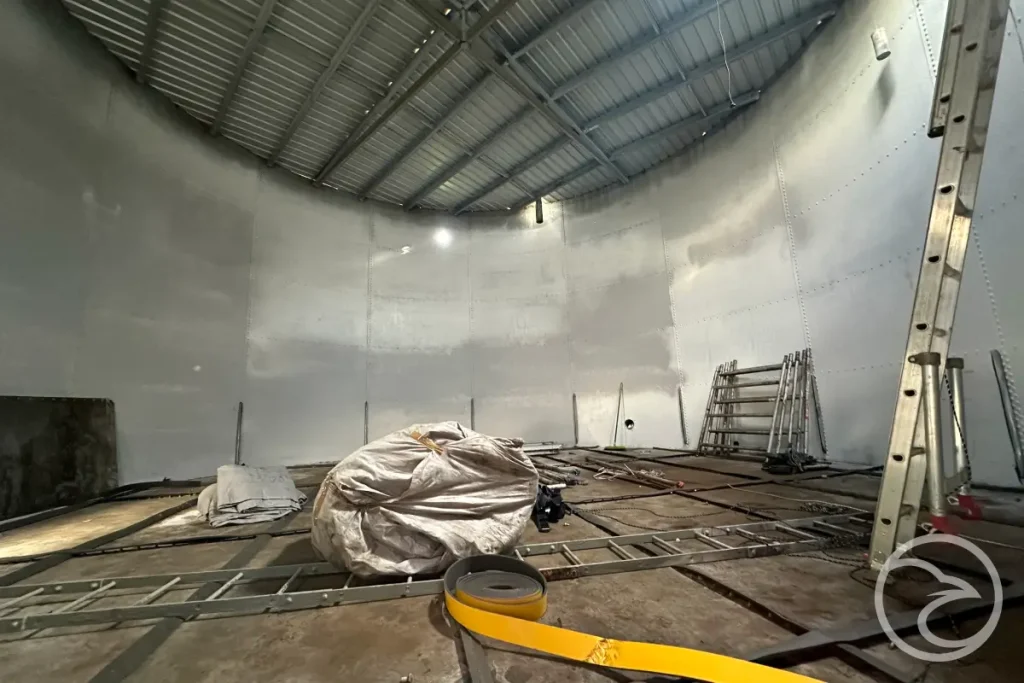
When soil movement causes stretching, tearing, or displacement of the liner, long-term protection often depends on timely intervention supported by specialised restoration work offered through dedicated tank repair services.
Why These Issues Intensify Over Time
Soil movement rarely affects a tank all at once. Instead, damage builds slowly:
- each dry season shrinks clay soils
- each wet season causes expansion
- each temperature cycle changes ground density
- each heavy rainfall impacts water runoff patterns
Over years, these cycles apply constant stress to the tank base and walls. The liner becomes the first point of failure because it absorbs the internal effects of these shifts.
How Rural Facilities Can Minimise the Impact
While soil movement cannot be stopped entirely, tank owners can reduce its impact by:
- ensuring proper foundation preparation before installation
- using reinforced base layers in high-movement areas
- monitoring seasonal soil behaviour
- checking tank alignment annually
- inspecting internal liner surfaces after extreme weather
- correcting drainage to reduce erosion and water pooling
Preventative awareness is often the deciding factor between minor adjustments and full liner replacement.
Conclusion
Soil movement is one of the most overlooked causes of internal tank liner damage, especially in rural and agricultural areas where ground conditions change dramatically throughout the year. Because tank liners absorb internal strain caused by shifting foundations, early detection and proper maintenance are essential to prevent long-term deterioration.


