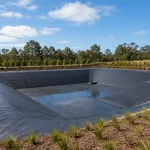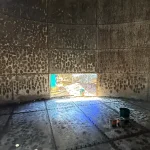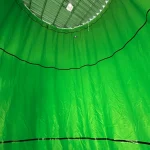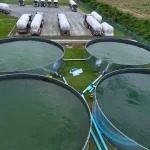
Commercial tanks are essential assets across many industries. They store water, fire protection reserves, chemicals, wastewater, fuel, and industrial liquids. Their reliability directly affects daily operations, safety, and regulatory compliance.
Like any infrastructure, tanks deteriorate over time. Exposure to moisture, chemicals, changing temperatures, and continuous use gradually weakens structural components. Even well-maintained tanks eventually develop defects that require attention.
Many problems begin as small issues. A minor leak, surface corrosion, or damaged seal may seem insignificant. However, these defects often become larger and more expensive if ignored. Early repairs help extend service life and reduce long-term maintenance costs.
Commercial tank repair is not always about fixing visible damage. It also involves identifying hidden problems before they affect performance. Modern inspection methods allow facility managers to detect deterioration at an early stage. This makes repairs more effective and less disruptive.
Different tank materials experience different types of wear. Steel tanks may corrode. Concrete tanks can develop cracks. Polyethylene tanks may suffer UV damage. Fibreglass tanks often experience joint or laminate issues. Understanding these differences helps owners choose the most appropriate repair strategy.
This guide explains why commercial tanks deteriorate, the warning signs to watch for, and how common problems develop. It also explores the typical challenges affecting different tank types before discussing repair options and preventative maintenance.
Why Commercial Tanks Deteriorate Over Time
Commercial tanks are designed for long service life. However, no storage system is immune to ageing. Several environmental and operational factors gradually reduce structural integrity.
Understanding these causes allows owners to identify risks before major repairs become necessary.
Corrosion
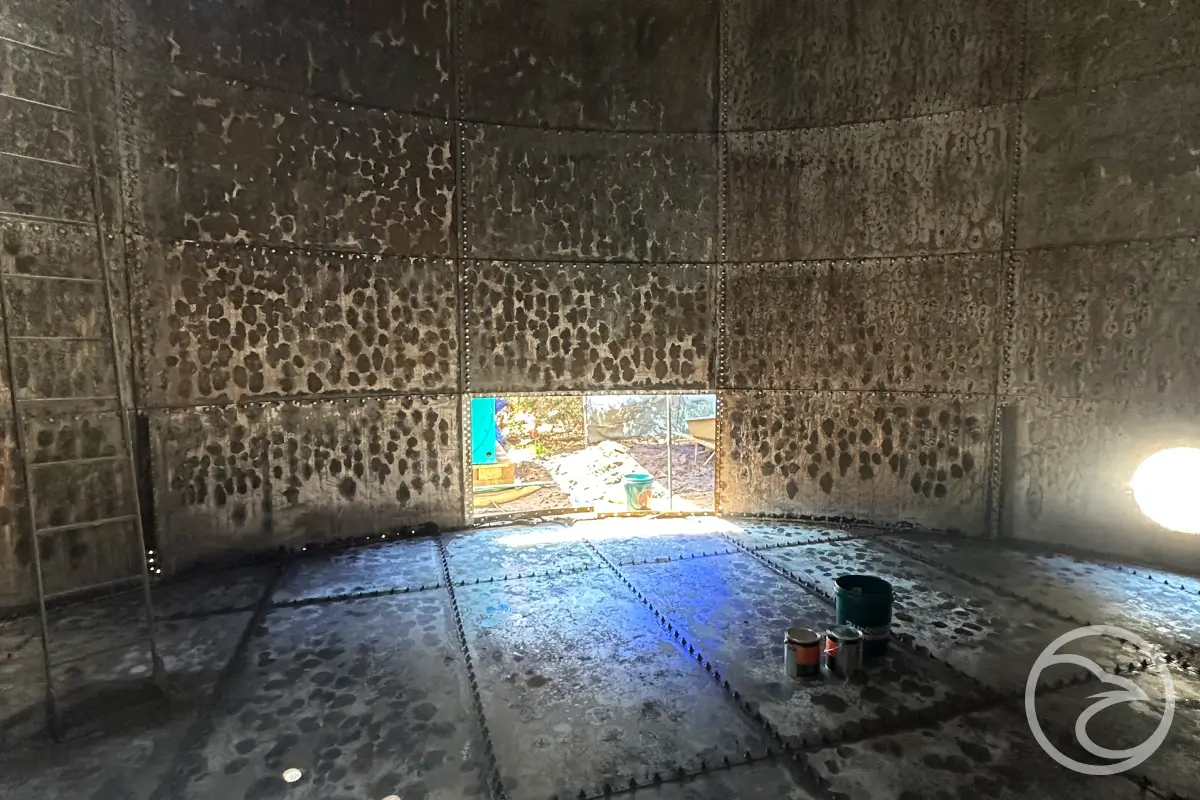
Corrosion is one of the leading causes of commercial tank damage. Steel tanks are especially vulnerable when protective coatings begin to fail. Moisture, oxygen, and dissolved salts slowly attack exposed metal surfaces. Over time, corrosion reduces wall thickness and weakens structural components.
Internal corrosion can develop without obvious external signs. This makes regular inspections particularly important.
Weather Exposure
Outdoor tanks face constant exposure to changing weather conditions. Sunlight, heavy rainfall, strong winds, and fluctuating temperatures all contribute to material degradation. UV radiation slowly breaks down some plastics and protective coatings. Repeated heating and cooling also causes expansion and contraction of structural materials.
These cycles may eventually create cracks, loose joints, or damaged seals.
Chemical Exposure
Many commercial tanks store aggressive liquids. Chemicals may attack coatings, liners, gaskets, or structural materials if they exceed design limits. Even treated water can gradually affect certain materials under specific conditions.
Chemical degradation often develops slowly and may remain unnoticed for years.
Continuous Water Pressure
Water exerts significant force on tank walls. Large storage tanks remain under constant pressure throughout their service life. Repeated filling and emptying cycles create additional stress on panels, joints, bolts, and foundations.
Eventually, this ongoing movement contributes to material fatigue.
Poor Maintenance
Small maintenance issues often become expensive repairs. Blocked overflows, damaged seals, clogged drains, and neglected corrosion allow deterioration to accelerate. Regular cleaning and inspections help identify these problems before structural damage develops.
Preventive maintenance is usually far less costly than emergency repairs.
Foundation Movement
A tank depends on stable support. Ground settlement, erosion, or poor installation can cause uneven loading across the tank structure. Even slight movement may create stress concentrations that affect joints, panels, and connecting pipework.
Foundation issues often appear gradually.
Ageing Materials
Every construction material has a finite service life. Protective coatings lose effectiveness. Rubber seals become brittle. Liners wear through. Structural materials gradually weaken after decades of service.
Age alone does not determine whether repairs are necessary. However, older tanks generally require more frequent assessments.
Common Signs Your Commercial Tank Needs Repair
Many commercial tanks continue operating despite developing hidden defects. Recognising early warning signs helps prevent larger structural problems. Some symptoms are obvious. Others require closer observation during routine inspections.
Water Leaks
Leaks are among the clearest indicators that repairs may be necessary. Some leaks appear as dripping water around fittings or joints. Others remain hidden beneath the tank or inside surrounding structures. Even small leaks can increase water loss over time.
A leaking tank should never be ignored.
Rust and Surface Corrosion
Visible corrosion often signals that protective coatings have deteriorated. Rust stains, bubbling paint, or flaking surfaces suggest moisture has reached exposed steel. Although early corrosion may appear cosmetic, it frequently progresses beneath the surface.
Treating corrosion early helps preserve structural integrity.
Cracks
Cracks can develop in several tank materials. Concrete tanks may experience shrinkage or structural cracking. Poly tanks sometimes crack after prolonged UV exposure. Fibreglass tanks may develop laminate fractures around high-stress areas.
The size and location of a crack determine its significance.
Bulging or Distorted Walls
Tank walls should maintain their original shape. Bulging panels may indicate excessive internal pressure, structural weakening, or foundation movement. Plastic tanks occasionally deform after years of exposure to heat.
Distortion should always be investigated by experienced professionals.
Damaged Joints and Seals
Many commercial tanks rely on sealed joints. Bolted panel tanks use gaskets between individual sections. Ageing seals gradually lose flexibility and may begin leaking.
Damaged joints often produce slow leaks before larger failures occur.
Unexplained Water Loss
Unexpected drops in water levels may indicate hidden leakage. Water loss is not always caused by evaporation. Underground pipework, damaged liners, or internal cracks can also reduce stored volume.
Monitoring water levels helps identify unusual changes.
Declining Water Quality
Changes in water quality sometimes indicate internal deterioration. Discoloured water, unusual odours, sediment, or contamination may result from corrosion, damaged coatings, or biological growth inside the tank.
Water quality testing often reveals problems before structural damage becomes obvious.
Loose Components
Tank accessories also require attention. Loose bolts, damaged ladders, unstable platforms, deteriorating valves, or worn pipe connections may not directly affect the tank shell. However, they often indicate ageing infrastructure that requires maintenance.
Minor mechanical issues should not be overlooked.
Repeated Minor Repairs
Frequent repairs often suggest larger underlying problems. Replacing seals or patching small leaks every few months rarely solves the root cause. Persistent defects may indicate widespread deterioration that requires a more comprehensive assessment.
Long-term repair planning usually provides better value.
Visible Foundation Movement
Changes around the tank base deserve careful investigation.
Signs may include:
- uneven settling
- cracked concrete pads
- shifting supports
- gaps beneath the tank
- leaning structures
Foundation movement places additional stress on the entire storage system.
Increased Operating Costs
Repair needs are not always visible. Higher water bills, increased pumping costs, or unexpected maintenance expenses sometimes indicate hidden leaks or declining tank performance.
Tracking operating costs can help identify gradual deterioration.
Unusual Noises During Operation
Commercial tanks generally operate quietly. Creaking sounds, movement during filling, or unusual vibration may indicate structural stress or loose components. While not always serious, these changes warrant further investigation.
Early assessment often prevents more significant repairs later.
Common Problems by Tank Type
Commercial tanks are built from different materials to suit specific applications. Each material offers unique advantages, but every tank type also develops its own maintenance challenges.
Understanding these differences helps owners recognise potential issues before they become serious.
Steel Tanks
Steel tanks are widely used for water, fire protection, and industrial storage. They provide excellent strength and can serve for decades with proper maintenance. However, corrosion remains their biggest challenge.
Internal corrosion often develops where protective coatings begin to fail. External corrosion usually appears in areas exposed to standing water or damaged paint.
Common problems include:
- corrosion on internal walls
- pitting corrosion
- coating failure
- thinning steel plates
- leaking welds
- damaged roof structures
- rust around fittings
Older tanks may also develop weakened structural members after years of continuous loading.
Concrete Tanks
Concrete tanks are valued for their durability and large storage capacity. They are commonly installed underground or partially below ground. Although concrete is extremely strong, it is not immune to deterioration.
Small cracks may develop through natural shrinkage or ground movement. Larger structural cracks often result from settlement or excessive loading.
Other common issues include:
- cracking
- water seepage
- exposed reinforcement
- concrete spalling
- joint deterioration
- chemical attack
- surface erosion
If reinforcing steel begins to corrode, repairs become more complex.
Polyethylene Tanks
Poly tanks are lightweight and resistant to corrosion. They are widely used for potable water, rainwater, and agricultural storage. Their biggest challenge is long-term environmental exposure.
Years of sunlight gradually reduce material flexibility. Repeated heating and cooling also place stress on tank walls.
Typical problems include:
- UV degradation
- wall distortion
- stress cracking
- brittle surfaces
- damaged outlets
- warped lids
Modern UV-stabilised tanks perform well, but ageing eventually affects all plastic materials.
Fibreglass (GRP or FRP) Tanks
Fibreglass tanks combine corrosion resistance with high structural strength. They are frequently used where steel corrosion presents a significant risk.
Most repairs involve laminate damage rather than corrosion.
Common issues include:
- delamination
- damaged gel coat
- cracked laminate
- joint separation
- impact damage
- leaking panel connections
If moisture penetrates damaged laminate, deterioration may spread beneath the surface.
Bolted Panel Tanks
Bolted panel tanks are popular because individual panels can often be repaired or replaced. Their modular design simplifies maintenance. However, it also creates additional sealing points.
Typical problems include:
- deteriorated gaskets
- loose bolts
- leaking joints
- panel corrosion
- seal failure
- movement between panels
Many leaks originate from ageing seals rather than damaged panels.
Lined Commercial Tanks
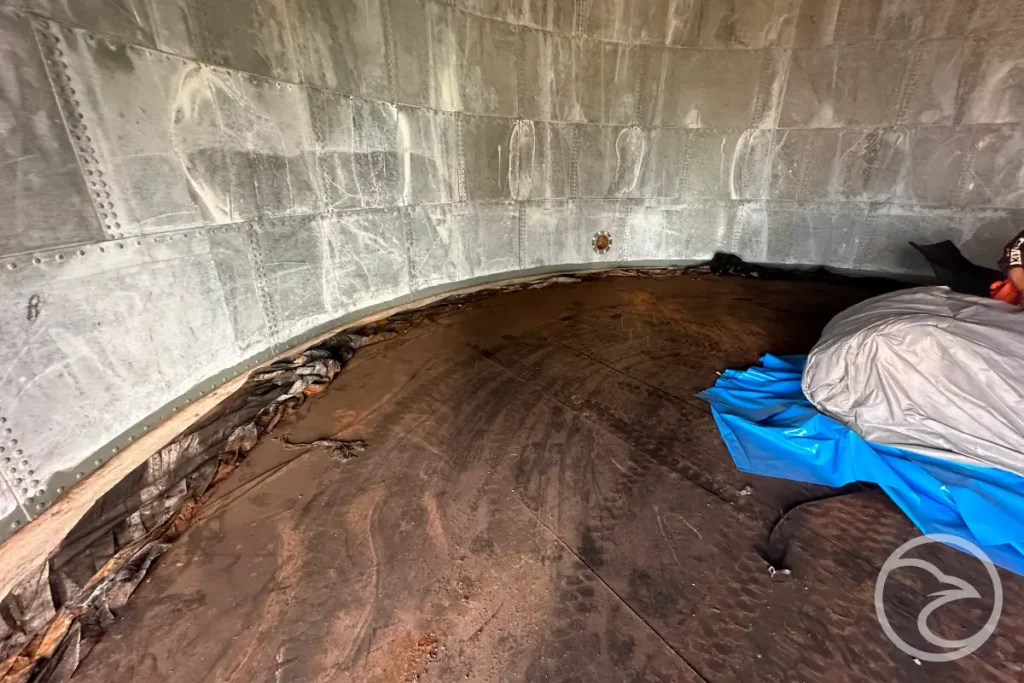
Some commercial tanks use internal liners to improve corrosion resistance or maintain water quality. Although liners extend tank life, they also require inspection.
Common liner issues include:
- punctures
- tears
- seam separation
- wrinkles
- lifting edges
- chemical degradation
Small liner defects may eventually allow moisture to reach the underlying structure.
How Tank Problems are Identified
Many commercial tank defects remain hidden until they become significant. Regular inspections help detect deterioration before repairs become extensive. Modern assessment methods combine visual observations with specialised testing.
Visual Inspections
Visual inspections remain the first step in evaluating tank condition. Inspectors examine both internal and external surfaces for obvious signs of deterioration.
They typically assess:
- corrosion
- cracks
- leaks
- damaged coatings
- loose fittings
- structural movement
- roof condition
Even simple inspections can identify developing problems early.
Internal Tank Inspections
Many structural defects cannot be seen from outside the tank. Internal inspections allow technicians to examine surfaces directly. They also provide access to welds, joints, supports, and floor sections.
This process often identifies hidden corrosion and coating damage before leaks occur.
Drone Inspections
Large commercial tanks can be difficult to inspect safely. Drone technology allows inspectors to examine roofs, elevated structures, and external surfaces without extensive access equipment.
High-resolution images help identify defects that may otherwise remain unnoticed. Drone inspections also reduce safety risks.
Wall Thickness Testing
Steel tanks gradually lose material through corrosion. Ultrasonic thickness testing measures remaining wall thickness without damaging the tank.
The results help determine whether repairs remain practical or whether replacement should be considered. This method provides valuable information about structural condition.
Leak Detection
Some leaks are too small to locate during routine inspections. Specialised leak detection methods identify water loss before visible damage appears.
Monitoring systems may also detect gradual losses over time. Early leak detection often reduces repair costs significantly.
Coating Assessment
Protective coatings prevent corrosion and extend service life. Inspectors evaluate coating adhesion, thickness, surface damage, and areas where protection has failed.
Damaged coatings are usually repaired before corrosion spreads beneath the surface.
Liner Inspections
Where tanks contain internal liners, inspections focus on the liner itself. Technicians look for punctures, loose seams, surface wear, and signs of deterioration.
Even minor liner damage deserves attention because moisture can eventually affect the underlying structure.
If inspection findings reveal significant deterioration, tank relining vs tank replacement provides a useful overview of both restoration options.
Foundation Assessment
The condition of the supporting foundation is just as important as the tank itself.
Inspectors evaluate:
- settlement
- cracking
- drainage
- erosion
- support stability
Foundation movement often explains recurring structural problems.
Water Quality Monitoring
Changes in stored water sometimes reveal hidden defects. Poor water quality may indicate corrosion, biological growth, deteriorating coatings, or internal contamination.
Regular testing supports both maintenance planning and regulatory compliance.
Water quality testing is an important part of preventive maintenance, as explained in the role of regular water quality monitoring.
Commercial Tank Repair Solutions
Every repair begins with understanding the underlying cause of the problem. Simply repairing visible damage may not prevent future failures. Effective repairs address both the defect and the conditions that caused it.
The appropriate solution depends on the tank material, age, operating conditions, and overall structural integrity.
Corrosion Treatment
Corrosion repairs usually begin with removing damaged material. Affected surfaces are cleaned before protective coatings are reapplied.
Where corrosion has significantly reduced wall thickness, damaged sections may require reinforcement or replacement. Early treatment helps prevent more extensive structural repairs.
Preventive maintenance is even more effective when combined with the proven methods outlined in strategies for corrosion prevention in water storage tanks.
Crack Repairs
Repair methods vary according to tank construction. Concrete cracks may be sealed or injected using specialised repair materials.
Steel cracks often require welding after the damaged area has been properly assessed. Fibreglass tanks usually receive laminate repairs that restore structural strength.
Not every crack indicates structural failure. However, every crack should be evaluated.
Joint and Seal Replacement
Ageing seals are a common source of leaks. Replacing worn gaskets, seals, and flexible joints often restores watertight performance without major structural work.
This type of repair is particularly common in bolted panel tanks.
Coating Restoration
Protective coatings gradually wear over time. Restoring damaged coatings helps prevent future corrosion and extends tank service life.
Coating repairs may involve:
- surface preparation
- rust removal
- primer application
- protective topcoats
- specialised corrosion-resistant systems
Proper surface preparation is critical for long-term performance.
Liner Repairs
Small liner defects can often be repaired without replacing the entire lining system.
Typical repairs include:
- patching punctures
- resealing seams
- replacing damaged sections
- restoring attachment points
Extensive deterioration may require complete liner replacement.
Structural Reinforcement
Some tanks remain structurally sound despite localised weakening. Engineers may recommend reinforcing affected components rather than replacing the entire tank.
Examples include strengthening support members, replacing individual panels, or reinforcing weakened connections. This approach can significantly extend service life.
Foundation Repairs
If foundation movement caused the damage, repairing the tank alone may not solve the problem. Corrective work may involve improving drainage, stabilising the foundation, or repairing supporting concrete.
Addressing the underlying cause reduces the likelihood of recurring defects.
Component Replacement
Tank accessories also require periodic replacement.
These components include:
- valves
- pipe connections
- overflow systems
- ladders
- access hatches
- level indicators
Replacing ageing components often improves overall reliability while reducing future maintenance requirements.
Repair or Replace? How to Make the Right Decision
Not every damaged commercial tank requires replacement. In many cases, targeted repairs restore performance and extend service life for many years. However, repeated repairs are not always the most practical solution.
The decision depends on several technical, operational, and financial factors.
Consider the Age of the Tank
Older tanks naturally experience more wear than newer installations. Age alone does not determine whether repairs are worthwhile. Some well-maintained tanks remain in excellent condition after several decades. Others develop significant deterioration much earlier because of harsh operating conditions.
A professional condition assessment provides a more reliable picture than age alone.
Assess the Extent of the Damage
Minor defects are often straightforward to repair.
Examples include:
- isolated corrosion
- damaged seals
- localised coating failure
- worn fittings
These issues rarely justify replacing an entire tank. Extensive corrosion, widespread structural damage, or severe foundation movement may require a different approach.
Review Inspection Findings
Inspection reports provide valuable information about the tank’s overall condition. Rather than focusing on a single defect, inspectors evaluate the entire structure. They identify existing damage, areas at risk, and components approaching the end of their service life.
This broader assessment supports better long-term planning.
Evaluate Maintenance History
Past maintenance records often reveal useful patterns. A tank that has required only routine servicing over many years may still have considerable remaining life.
By comparison, repeated emergency repairs may indicate ongoing structural problems.
Maintenance history helps predict future repair needs.
Consider Operational Requirements
Business requirements also influence repair decisions. Facilities that depend on continuous water supply may prioritise solutions that minimise downtime.
Storage capacity, future expansion plans, and operational flexibility should all be considered before major repairs begin. Sometimes a phased repair programme offers the best balance between cost and reliability.
Compare Long-Term Costs
The lowest immediate cost is not always the most economical option.
Owners should compare:
- expected repair costs
- remaining service life
- future maintenance requirements
- operational disruption
- inspection frequency
Looking beyond the next repair often supports better financial decisions.
The Cost of Delaying Commercial Tank Repairs
Small defects rarely remain small forever. Ignoring early warning signs allows deterioration to continue. As damage spreads, repairs usually become more expensive and more disruptive.
Timely intervention protects both the tank and surrounding infrastructure.
Repairs Become More Expensive
A minor leak may only require a seal replacement. If left untreated, the same leak can contribute to corrosion, structural weakening, or foundation damage.
Repair costs often increase as additional components become affected. Early maintenance usually offers the greatest long-term value.
Water Loss Increases
Even slow leaks waste significant amounts of water over time. For facilities with large storage systems, unnoticed water loss can increase operating costs and reduce available storage capacity.
This may also affect emergency water reserves in fire protection systems.
Structural Damage can Spread
Many tank defects develop gradually. Corrosion extends beneath damaged coatings. Small cracks become larger through repeated loading. Foundation movement places additional stress on surrounding components.
Addressing the original problem often prevents secondary damage.
Water Quality may Decline
Damaged tanks can affect stored water quality. Corrosion products, debris, biological growth, or external contaminants may enter through deteriorated seals or structural defects.
Maintaining tank integrity supports cleaner and safer stored water.
Operational Disruptions Become More Likely
Unexpected failures rarely occur at convenient times. Emergency repairs may interrupt business operations, delay production, or reduce available water storage.
Planned maintenance is generally easier to schedule than emergency response work.
Preventing Future Tank Repairs
Although no commercial tank lasts forever, proper maintenance can significantly reduce the need for major repairs. Preventive maintenance focuses on identifying small issues before they develop into costly structural problems.
Schedule Regular Inspections
Routine inspections remain one of the most effective maintenance practices. Regular assessments help identify corrosion, leaks, coating damage, and structural movement while repairs remain relatively simple.
Inspection frequency should reflect the tank’s age, material, operating conditions, and stored contents.
Maintain Protective Coatings
Coatings form the first line of defence against corrosion. Inspecting and repairing damaged coatings before corrosion develops helps preserve structural components.
Surface preparation and correct coating application are essential for long-term performance.
Repair Minor Defects Promptly
Small defects are easier to manage than major failures.
Examples include:
- replacing damaged seals
- repairing small leaks
- treating isolated corrosion
- tightening loose fittings
Keep Tanks Clean
Sediment, debris, and biological growth may accelerate deterioration. Periodic cleaning allows inspectors to examine internal surfaces more effectively while supporting water quality.
Cleaning schedules should match the tank’s operating environment.
Monitor Water Levels
Unexpected changes in stored water volume may indicate developing problems. Routine monitoring can identify hidden leaks before visible damage appears.
Many facilities now use automated monitoring systems for continuous observation.
Protect the Surrounding Area
The environment around a tank also affects its condition. Good drainage reduces standing water around foundations. Removing vegetation limits moisture retention against external surfaces.
Keeping access areas clear also improves inspection safety.
Maintain Valves and Pipework
The tank itself is only one part of the storage system. Regular servicing of valves, pipe connections, overflow systems, and fittings helps prevent leaks that may eventually affect the main structure.
A complete maintenance programme considers every connected component.
Conclusion
Commercial tanks are designed to deliver reliable service for many years, but every storage system eventually experiences wear. Corrosion, weather exposure, material ageing, chemical attack, and continuous operation gradually affect structural performance.
Recognising early warning signs is essential. Small leaks, damaged coatings, cracks, or declining water quality often indicate problems that should not be ignored. Early intervention usually reduces repair costs and helps prevent more extensive damage.
Different tank materials develop different types of defects. Steel tanks commonly experience corrosion, while concrete, polyethylene, fibreglass, and bolted panel tanks each present their own maintenance challenges. Understanding these differences supports more effective maintenance planning.
Regular inspections remain one of the most valuable tools for protecting commercial storage assets. Visual assessments, thickness testing, leak detection, coating inspections, and foundation evaluations provide the information needed to make informed repair decisions.