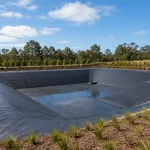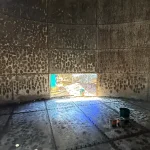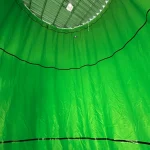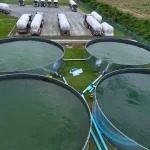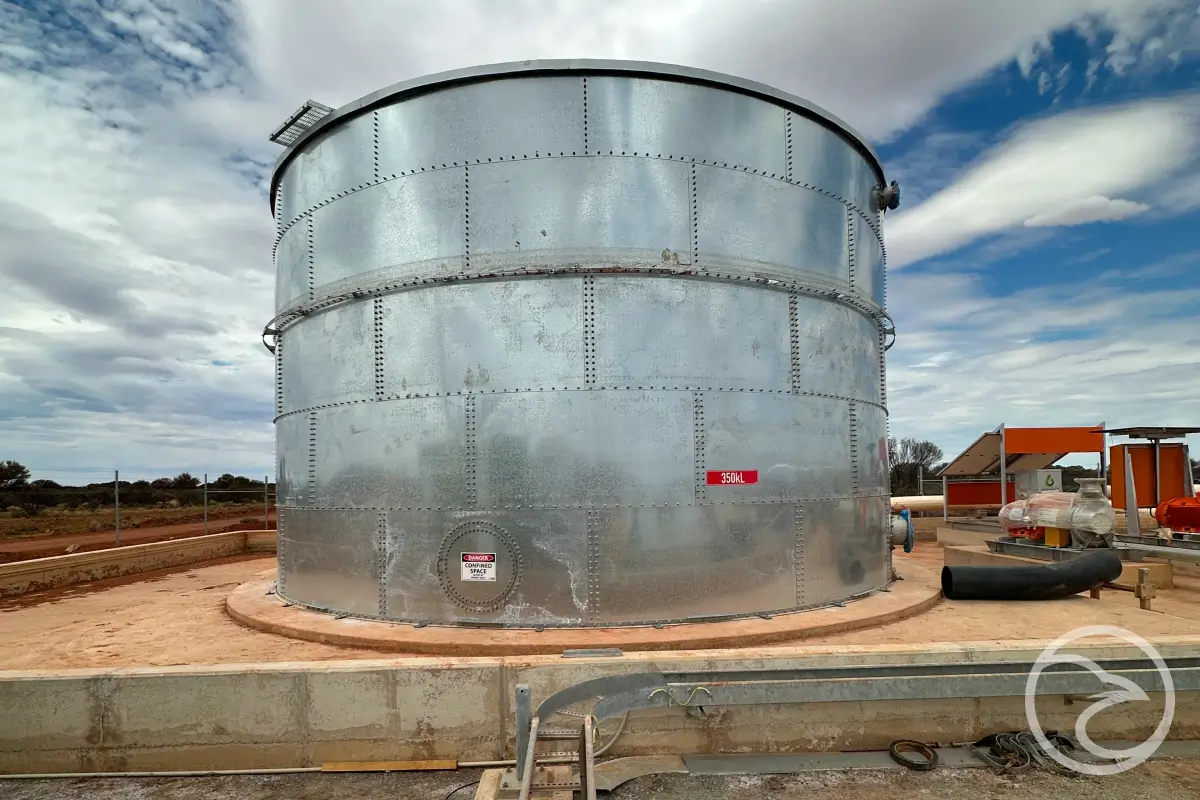
Storage tanks are widely used across agriculture, infrastructure, industry, and commercial environments to provide reliable liquid containment. While modern tanks are designed for durability, long-term exposure to environmental conditions, operational demands, and structural stresses can gradually influence their performance.
Understanding common causes of storage tank structural wear helps infrastructure planners, facility operators, and property owners maintain reliable storage conditions while supporting long-term asset stability.
Environmental Exposure and Weather Conditions
One of the primary contributors to structural wear is environmental exposure. Tanks located outdoors face temperature fluctuations, moisture variation, sunlight exposure, and seasonal environmental changes that may gradually affect structural surfaces.
Common environmental influences include:
- repeated thermal expansion and contraction
- humidity and moisture exposure
- ultraviolet radiation from sunlight
- wind, dust, and environmental debris
These factors typically influence storage infrastructure gradually, highlighting the importance of ongoing observation rather than reactive intervention.
Stored Liquid Characteristics
The type of liquid stored within a tank can also influence structural performance over time. Differences in chemical composition, temperature, and usage frequency may contribute to varying wear patterns.
Key considerations include:
- water chemistry variations
- temperature-related effects on containment surfaces
- biological activity in stored liquids
- interaction between stored contents and tank materials
Understanding how stored liquids interact with containment infrastructure supports more predictable long-term performance.
Operational Usage Patterns
Operational behaviour plays a significant role in how storage tanks age. Frequent filling and emptying cycles, fluctuating liquid levels, and operational adjustments may influence structural stability over time.
Operational factors may involve:
- pressure variation during filling cycles
- changes in usage demand
- infrastructure maintenance activities nearby
- evolving operational requirements
Awareness of these patterns helps organisations maintain more stable storage conditions.
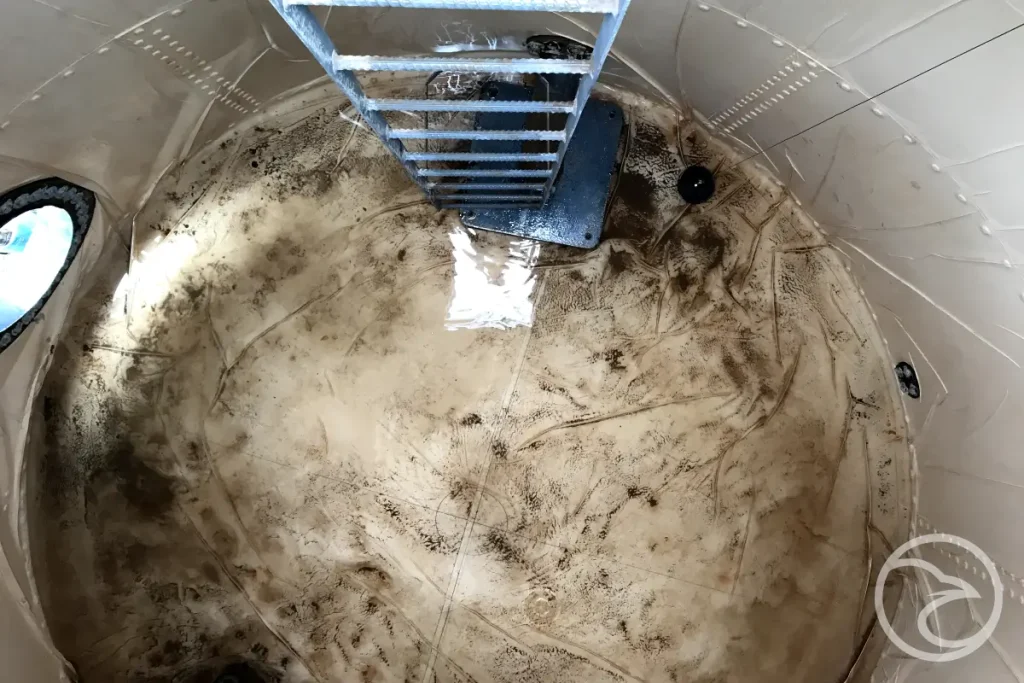
Structural Design and Material Behaviour
Storage tanks are engineered using materials chosen for durability and performance, yet all materials experience gradual aging. Structural design, material flexibility, and environmental compatibility all influence long-term performance.
Important considerations may include:
- structural support conditions
- material resilience under environmental stress
- design configuration and load distribution
- long-term material fatigue behaviour
General information about storage containment protection approaches can provide helpful context when evaluating strategies that support infrastructure longevity.
Surrounding Site Conditions
External site factors can also influence structural wear. Soil movement, nearby construction activity, changing drainage patterns, or environmental contamination risks may affect storage infrastructure indirectly.
Examples include:
- ground settlement or erosion
- vegetation growth near storage areas
- shifting environmental conditions
- site development over time
Considering the broader infrastructure environment helps support long-term storage reliability.
Supporting Long-Term Storage Performance
While structural wear is a natural part of infrastructure aging, awareness of contributing factors helps organisations manage storage systems more effectively. Environmental exposure, operational usage, material behaviour, and site conditions all influence how storage tanks perform over time.
Understanding these influences supports informed infrastructure planning, consistent monitoring, and more reliable long-term liquid storage outcomes.