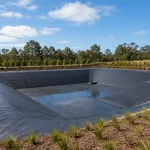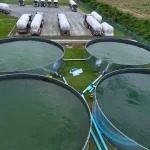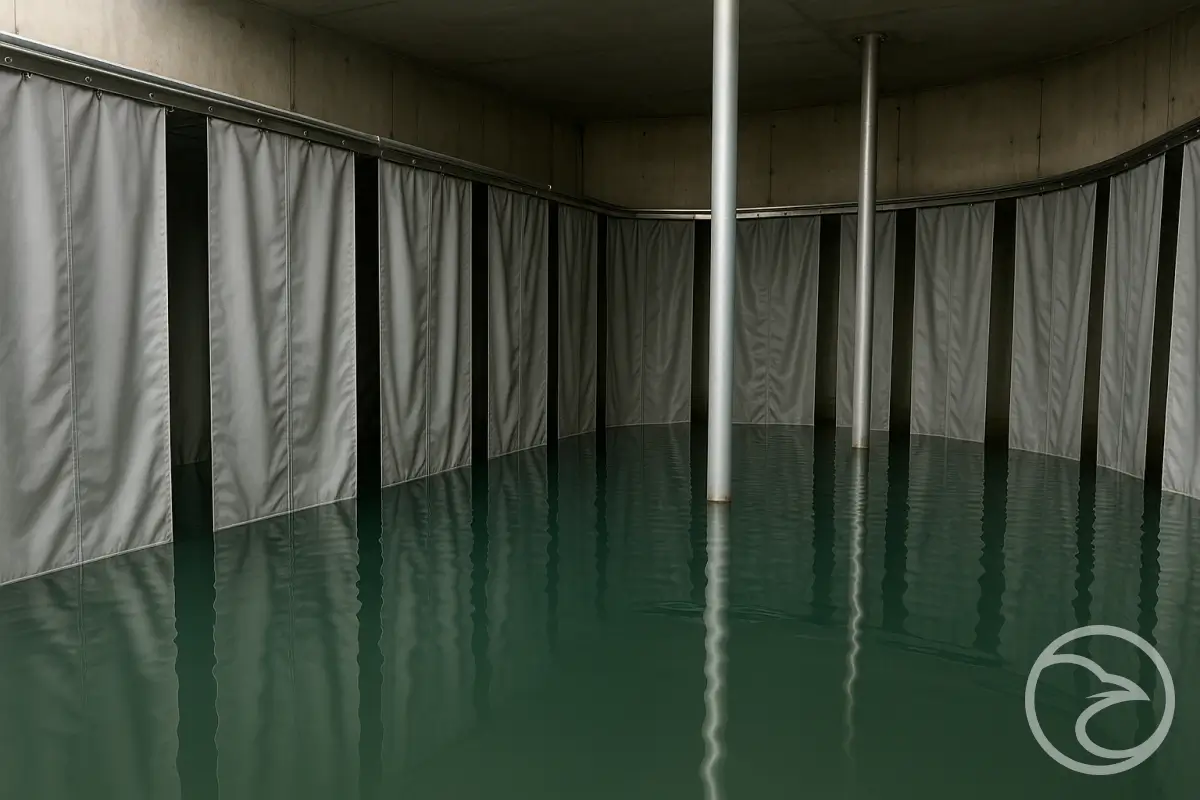
Liquid storage systems are widely used across agriculture, infrastructure, commercial operations, and environmental management projects. While these systems provide essential containment for water, fuels, chemicals, and other liquids, they often operate in environments where external conditions can influence performance over time.
Understanding common environmental challenges in liquid storage helps infrastructure planners, facility operators, and property owners anticipate risks, support safer storage practices, and maintain long-term operational reliability.
Climate Exposure and Weather Variability
Environmental exposure is one of the most significant challenges affecting liquid storage systems. Temperature fluctuations, precipitation patterns, wind exposure, and seasonal changes can influence storage conditions and structural stability.
Examples of climate-related factors include:
- thermal expansion and contraction cycles
- heavy rainfall or flooding events
- prolonged heat exposure
- wind-driven debris or environmental stress
While storage systems are typically designed with environmental conditions in mind, ongoing monitoring helps ensure performance remains consistent as conditions change.
Soil and Ground Conditions
The surrounding ground environment can play an important role in liquid storage reliability. Soil movement, drainage patterns, and geological conditions may influence containment infrastructure over time.
Common ground-related challenges include:
- soil settlement or shifting
- erosion near storage areas
- groundwater interaction
- variable site drainage conditions
Understanding local environmental conditions supports more effective infrastructure planning and long-term storage stability.
Water Quality and Contamination Risks
Environmental exposure can also influence the quality of stored liquids. External contaminants, biological activity, or environmental changes may gradually affect stored water or other liquids.
Potential influences include:
- airborne dust and organic material
- environmental runoff
- biological growth in exposed storage
- chemical interaction with surrounding conditions
Awareness of these factors supports better monitoring practices and helps maintain safe storage conditions.
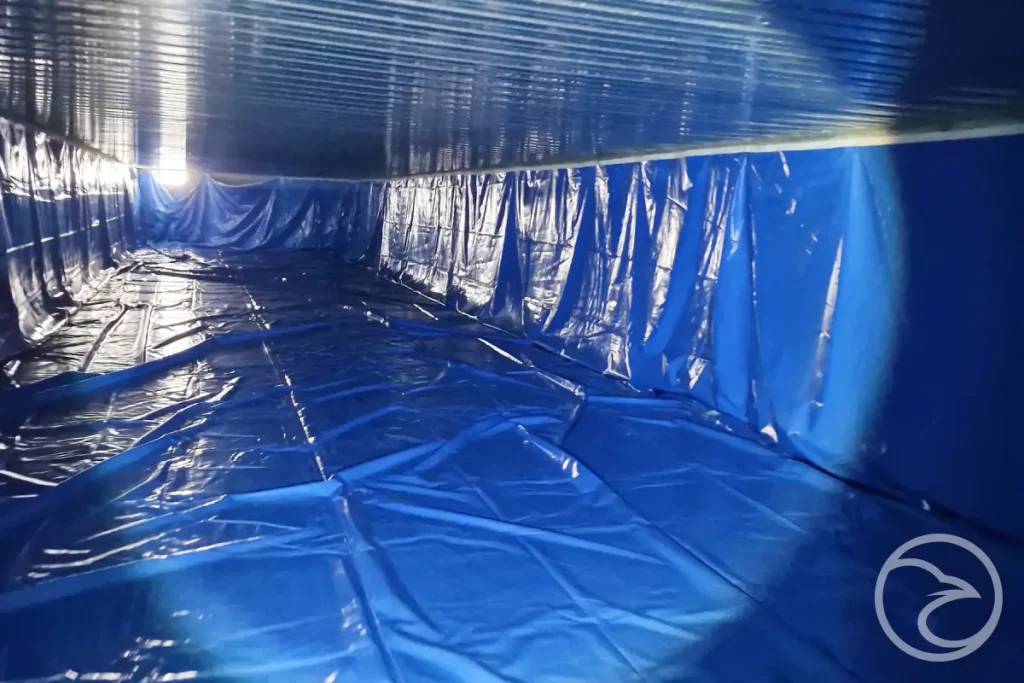
For additional context on containment infrastructure approaches, some resources discuss liquid storage protection strategies that support environmental safety without focusing on specific service applications.
Operational and Infrastructure Interaction
Environmental conditions often interact with operational factors. Storage systems may experience variable usage patterns, changing liquid types, or evolving infrastructure requirements that influence environmental exposure.
Operational considerations may involve:
- seasonal demand fluctuations
- infrastructure expansion nearby
- maintenance activities affecting site conditions
- changes in surrounding land use
Recognising these interactions helps organisations adopt more adaptive storage strategies.
Environmental Responsibility and Risk Awareness
Modern storage infrastructure increasingly considers environmental responsibility as a key operational priority. Minimising environmental impact while maintaining reliable liquid containment supports both regulatory compliance and sustainable infrastructure management.
General awareness measures may include:
- routine environmental monitoring
- site condition assessments
- infrastructure performance tracking
- long-term planning for environmental variability
These practices help organisations maintain storage reliability while supporting environmental protection goals.
Supporting Sustainable Liquid Storage Practices
Understanding common environmental challenges in liquid storage helps organisations manage infrastructure more effectively. Climate exposure, soil conditions, contamination risks, and operational factors all influence long-term storage performance.
By recognising these challenges early, infrastructure planners and facility operators can support safer containment practices, more sustainable operations, and improved long-term storage reliability.