
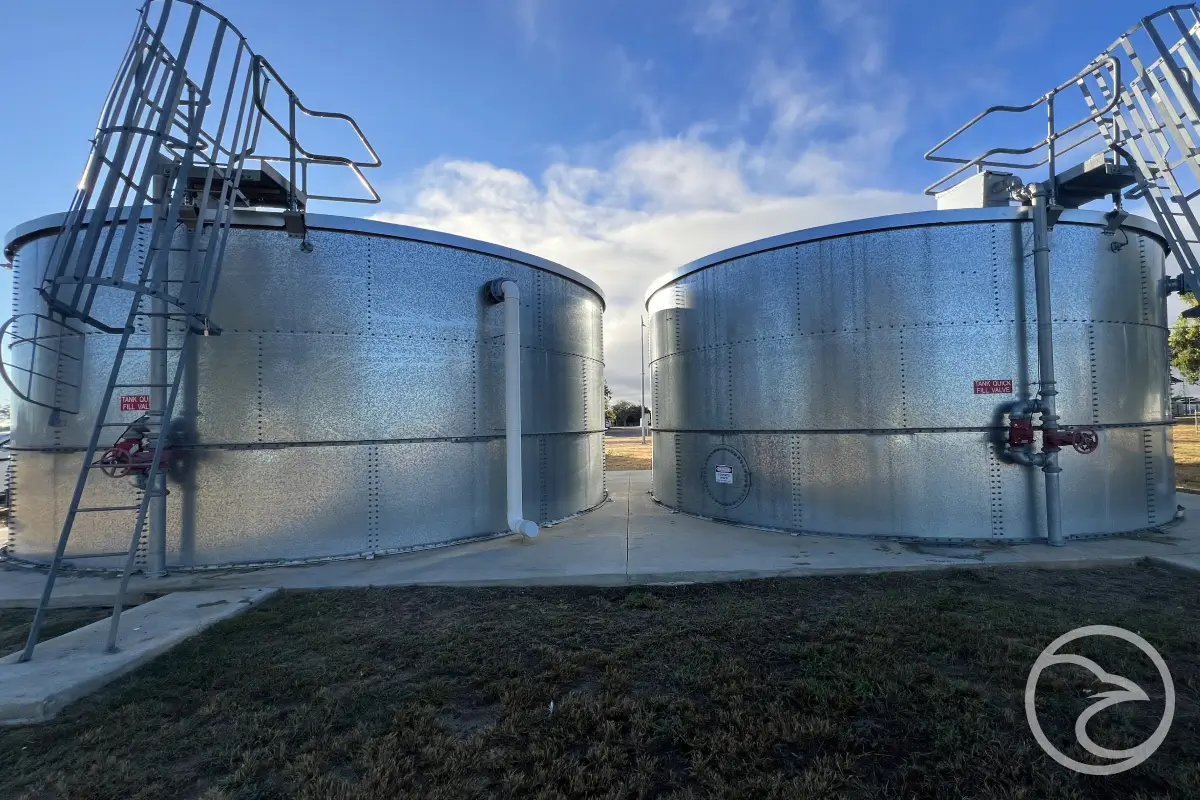
Long-term storage systems rely on more than structural capacity alone. While cisterns provide the physical form and volume needed for storage, liners play a critical role in how these systems perform over time. Understanding how liners and cisterns function together helps explain why some storage assets maintain stable operation for decades, while others experience gradual performance decline despite appearing structurally sound.
At the system level, cistern liner performance is not an isolated characteristic. It develops through continuous interaction between the liner material, the cistern structure, stored contents, and operating conditions.
Understanding the Relationship Between Liners and Cistern Structures
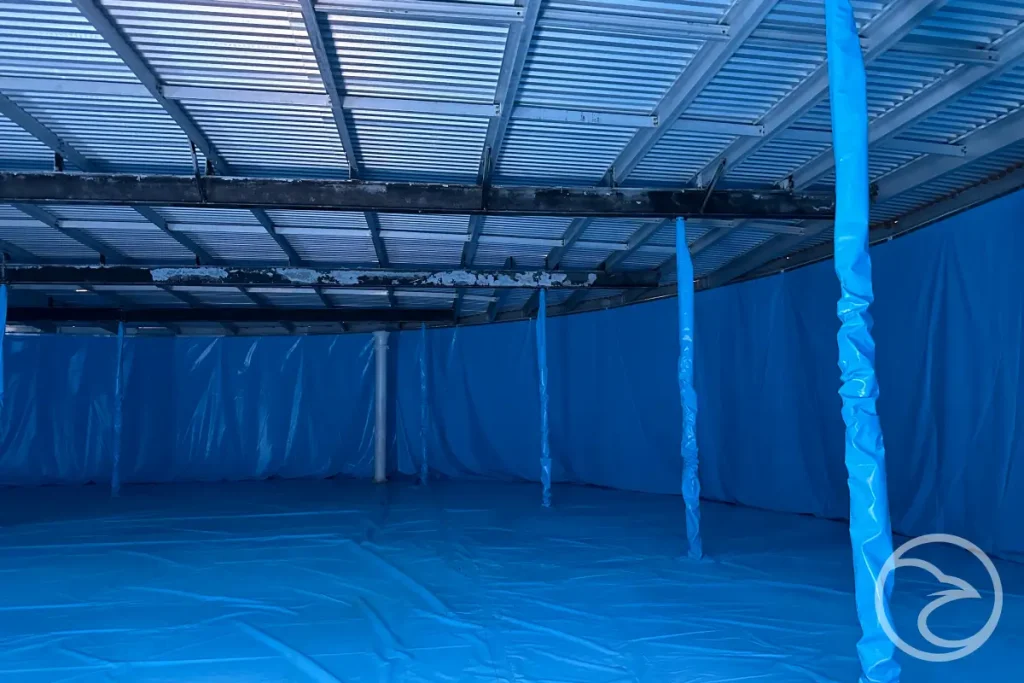
A cistern and its liner should be viewed as a single integrated system rather than two separate components. The cistern provides structural support, load resistance, and external stability. The liner, in turn, forms the internal barrier that protects the structure from direct exposure to stored liquids and environmental influences.
Because liners are installed against a structural surface, their behaviour is influenced by the condition, movement, and geometry of the cistern itself. Small structural shifts, surface irregularities, or changes in internal pressure can affect how the liner responds over time. As a result, liner performance cannot be fully understood without considering the cistern that supports it.
How Cistern Liner Performance Evolves Over Time
Cistern liner performance changes gradually rather than abruptly. From commissioning onward, liners are exposed to continuous mechanical, thermal, and chemical influences. These include pressure from stored contents, temperature variation, and long-term contact with water or other liquids.
Over time, liners may experience subtle changes in flexibility, surface condition, or seam behaviour. These changes are not necessarily defects, but part of normal system ageing. When assessed in isolation, they may appear insignificant. When viewed across the full storage lifecycle, however, they shape how reliably the system performs.
Understanding this gradual evolution helps explain why performance decline often occurs without obvious warning signs.
Key Factors that Influence Liner Behaviour inside Cisterns
Several interacting factors influence how liners behave within cistern environments:
- Structural movement: Minor settlement, expansion, or contraction of the cistern can place stress on liner surfaces and seams.
- Temperature variation: Thermal cycling affects both liner materials and supporting structures, influencing long-term behaviour.
- Stored liquid characteristics: Water chemistry, sediment presence, and internal flow patterns affect liner surfaces over time.
- Operational cycles: Frequent filling and drawdown introduce repeated loading that shapes liner response gradually.
None of these factors acts alone. Instead, cistern liner performance reflects how they combine over years of operation.
Why Performance Issues 0ften Develop Gradually
One of the defining characteristics of liner-related issues is that they tend to develop slowly. Because liners are designed to accommodate movement and pressure, early-stage performance changes are often absorbed without immediate impact on storage function.
This gradual progression can make it difficult to distinguish between normal ageing and emerging performance concerns. Systems may continue operating as expected while internal conditions shift incrementally. By the time performance loss becomes noticeable, these changes may already be well established.
A system-wide perspective is therefore essential for understanding long-term behaviour.
Viewing Liners as Part of a System, not a Component
Treating liners as standalone components can lead to incomplete assessments of storage performance. In reality, liners respond to the cistern environment around them. Surface condition, structural alignment, and internal geometry all influence how liners age and perform.
When liners are evaluated within the context of the full cistern system, performance trends become easier to interpret. This approach supports more accurate understanding of why similar liners may behave differently in different cisterns, even under comparable operating conditions.
Long-Term Storage Reliability Depends on this Interaction
Long-term storage reliability depends on how effectively liners and cisterns function together. Structural integrity alone does not guarantee consistent performance, just as liner quality alone cannot compensate for unfavourable system conditions.
Cistern liner performance reflects a balance between material properties, structural support, and long-term exposure. Recognising this interaction helps explain why performance decline is often gradual, why early indicators are subtle, and why system behaviour may change over time without obvious external signs.
Conclusion
Liners and cisterns operate as interconnected elements within long-term storage systems. While cisterns provide the structural framework, liners define internal protection and functional reliability. Cistern liner performance develops through continuous interaction between these elements, shaped by operating conditions and environmental exposure over time.
By viewing liners as part of an integrated system rather than isolated components, it becomes easier to understand long-term storage behaviour, anticipate gradual performance changes, and interpret system ageing more accurately. This system-level perspective is essential for maintaining predictable and reliable long-term storage performance.


