
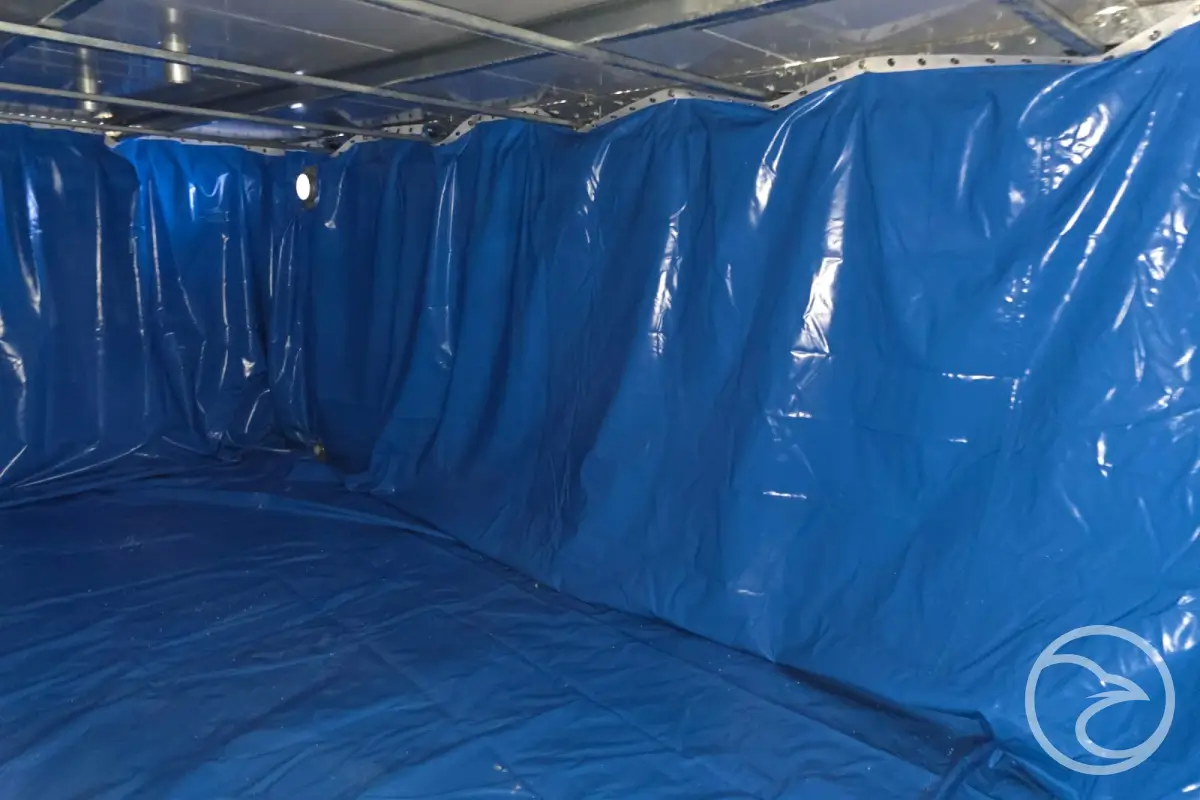
Spill containment plays a critical role in protecting facilities, the environment, and surrounding infrastructure from unintended releases. As industrial sites become more complex and environmental expectations increase, the role of liner systems has expanded beyond simple containment. Today, a modern spill containment liner is expected to perform as part of a broader, integrated system rather than as a standalone material solution.
Understanding what is expected from modern liner systems requires looking at functionality, adaptability, and long-term performance rather than focusing solely on product specifications.
Spill Containment as a System, not Just a Liner
Modern spill containment is no longer viewed as a single barrier placed beneath equipment or storage areas. Instead, it is understood as a system designed to manage risk across different operating conditions.
This system-level perspective means that a liner must:
- function reliably within a larger containment strategy
- interact effectively with surrounding structures and surfaces
- support predictable performance over extended periods
The liner is one component of a broader approach rather than a standalone solution.
Adaptability to Different Operating Environments
Industrial sites vary widely in layout, exposure, and operational demands. A modern spill containment liner is expected to perform across these varied conditions without requiring constant adjustment.
Key expectations related to adaptability include:
- compatibility with different containment configurations
- ability to function under changing environmental conditions
- consistent performance despite variations in use patterns
Adaptability ensures that liner systems remain effective as site conditions evolve.
Long-Term Reliability Over Short-Term Performance
Short-term containment performance provides limited insight into how a system will behave over time. Modern liner systems are expected to maintain reliable performance throughout extended operational periods.
This emphasis on long-term reliability reflects:
- the cumulative nature of environmental exposure
- gradual changes in site conditions
- the need for predictable containment behavior over years, not months
Reliability is defined by consistency rather than peak performance at a single point in time.
Integration with Broader Containment Strategies
Modern spill containment liner systems are designed to support overall site safety and environmental management goals. This requires seamless integration with other containment elements.
Integration typically involves:
- alignment with site layout and containment zones
- compatibility with drainage and collection approaches
- coordination with broader risk management strategies
When liner systems function as part of a coordinated framework, containment becomes more effective and easier to manage.
Durability Under Continuous Use
Spill containment systems are often exposed to continuous operational demands rather than isolated events. A modern spill containment liner is expected to withstand long-term exposure without losing functional integrity.
Durability expectations focus on:
- resistance to gradual wear rather than sudden failure
- stable performance under repeated exposure scenarios
- maintaining containment effectiveness without frequent intervention
This durability supports long-term site stability and operational confidence.
Predictable Behavior During Containment Events
In spill scenarios, predictability is essential. Modern liner systems are expected to behave in a consistent and understandable manner when containment is required.
Predictable behavior includes:
- controlled containment of released materials
- clear interaction with surrounding containment features
- reliable performance across different spill scenarios
Predictability reduces uncertainty and supports better response planning.
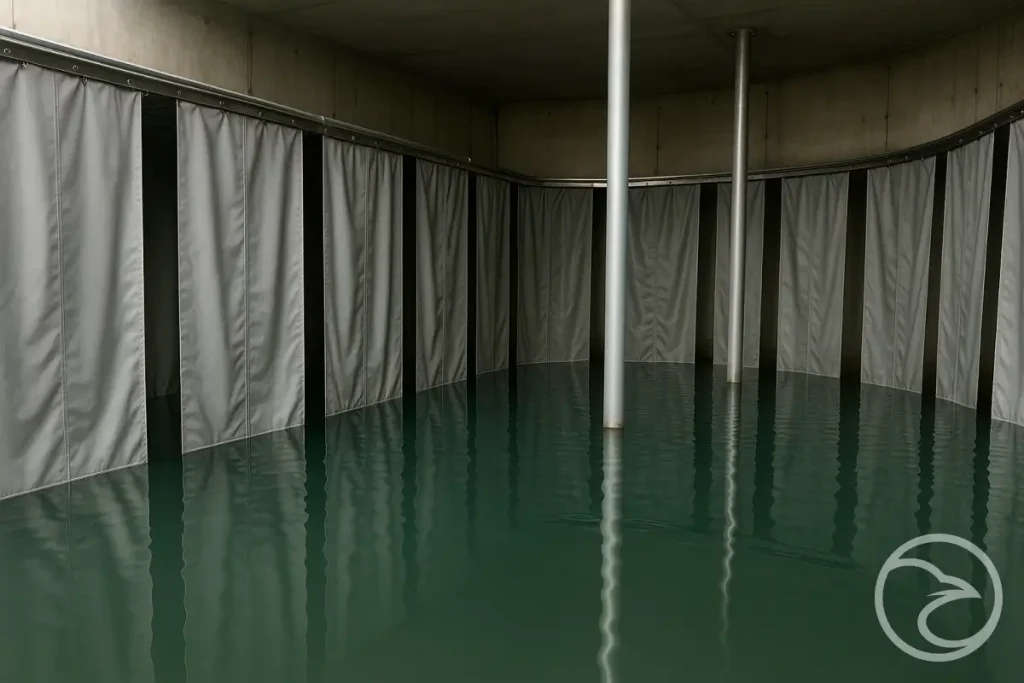
Supporting Environmental Responsibility
Environmental expectations continue to rise across industrial sectors. Modern spill containment liner systems are expected to contribute to responsible site management by minimizing environmental exposure risks.
Rather than focusing solely on compliance, modern systems emphasize:
- reducing unintended environmental impact
- supporting proactive environmental stewardship
- aligning containment practices with broader sustainability goals
This reflects a shift toward long-term responsibility rather than reactive containment.
Why Expectations Continue to Evolve
The expectations placed on modern spill containment liner systems continue to grow as industrial operations, environmental awareness, and risk management practices evolve. What was once considered sufficient containment is no longer adequate for today’s operational and environmental demands.
Understanding what is expected from a modern spill containment liner helps clarify why containment systems are now evaluated based on adaptability, integration, and long-term performance rather than on material properties alone.


