

Industrial and infrastructure facilities are designed to handle liquids safely, yet no primary containment system is entirely immune to failure. Leaks, overflows, and accidental spills can occur due to wear, operational errors, or unexpected conditions. In this context, understanding the secondary containment role is essential for reducing environmental exposure and limiting long-term ecological impact.
This article explains how secondary containment contributes to environmental protection, focusing on its function and purpose rather than specific products or materials.
What Secondary Containment Means in Environmental Protection
Secondary containment refers to an additional layer of control designed to manage unintended releases from primary storage or handling systems. Rather than preventing spills outright, its purpose is to limit their spread and contain substances within a defined area.
From an environmental perspective, this secondary layer acts as a safeguard that reduces the likelihood of contaminants reaching soil, groundwater, or nearby water bodies.
Why Primary Containment Alone is not Enough
Primary containment systems are designed for normal operating conditions. However, environmental risk often arises during abnormal or unexpected events. Equipment degradation, human error, or extreme weather can all contribute to loss of containment.
The secondary containment role becomes critical in these scenarios by providing a controlled boundary that reduces environmental exposure when primary systems are compromised.
Limiting the Spread of Contaminants
One of the most important environmental functions of secondary containment is spill confinement. By restricting the movement of released liquids, secondary containment helps prevent contaminants from migrating beyond the immediate area.
This limitation reduces:
- the surface area affected by spills
- the risk of infiltration into surrounding soil
- the potential for runoff into drainage systems
Containing spills at the source significantly lowers the scale and severity of environmental impact.
Protecting Soil and Groundwater
Soil and groundwater contamination often leads to long-term environmental consequences that are difficult and costly to address. Once contaminants penetrate the ground, they can persist for years and spread far beyond the original release point.
By acting as a physical barrier, secondary containment supports environmental protection by interrupting this pathway. Its role is especially important in areas where sensitive ecosystems or groundwater resources are present.
Supporting Environmental Responsibility
Beyond immediate spill control, secondary containment plays a broader role in environmental stewardship. Facilities that incorporate layered containment strategies demonstrate a proactive approach to risk management.
Understanding the secondary containment role within an environmental protection framework helps organisations:
- reduce the likelihood of environmental incidents
- minimise long-term remediation risks
- align operational practices with sustainability goals
This perspective shifts containment from a reactive measure to an integral part of environmental planning.
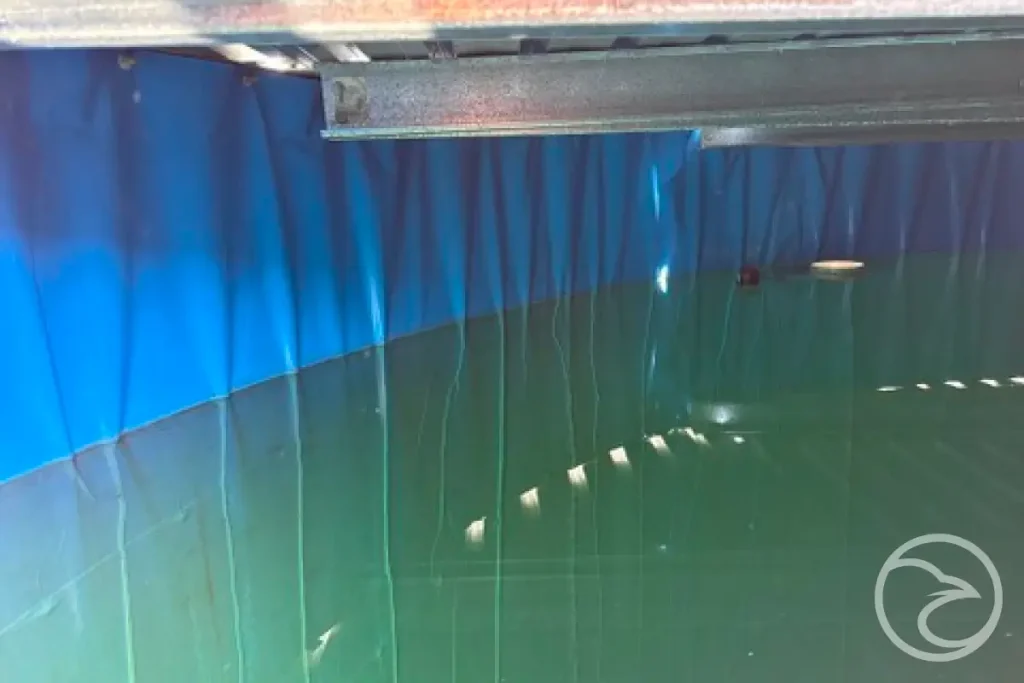
Secondary Containment as Part of a Risk-Based Approach
Environmental protection is most effective when risks are addressed before incidents escalate. Secondary containment supports a risk-based approach by accounting for uncertainty and failure scenarios that primary systems alone may not cover.
Rather than focusing on worst-case outcomes, this layered strategy recognises that environmental protection relies on multiple safeguards working together.
Long-Term Environmental Benefits
Over time, the presence of secondary containment can significantly reduce cumulative environmental impact. Even small, infrequent releases can cause substantial harm if left unmanaged. By limiting exposure and preventing repeated contamination, secondary containment contributes to long-term environmental stability.
Its role is not defined by the frequency of spills, but by the protection it provides when containment is challenged.
Final Thoughts
Secondary containment plays a vital role in environmental protection by limiting the spread of contaminants, safeguarding soil and groundwater, and supporting responsible risk management. Understanding the secondary containment rolehelps frame it as an environmental safeguard rather than a product or system. When viewed as part of a broader protection strategy, secondary containment becomes a key element in reducing environmental exposure and supporting sustainable facility operation.


