
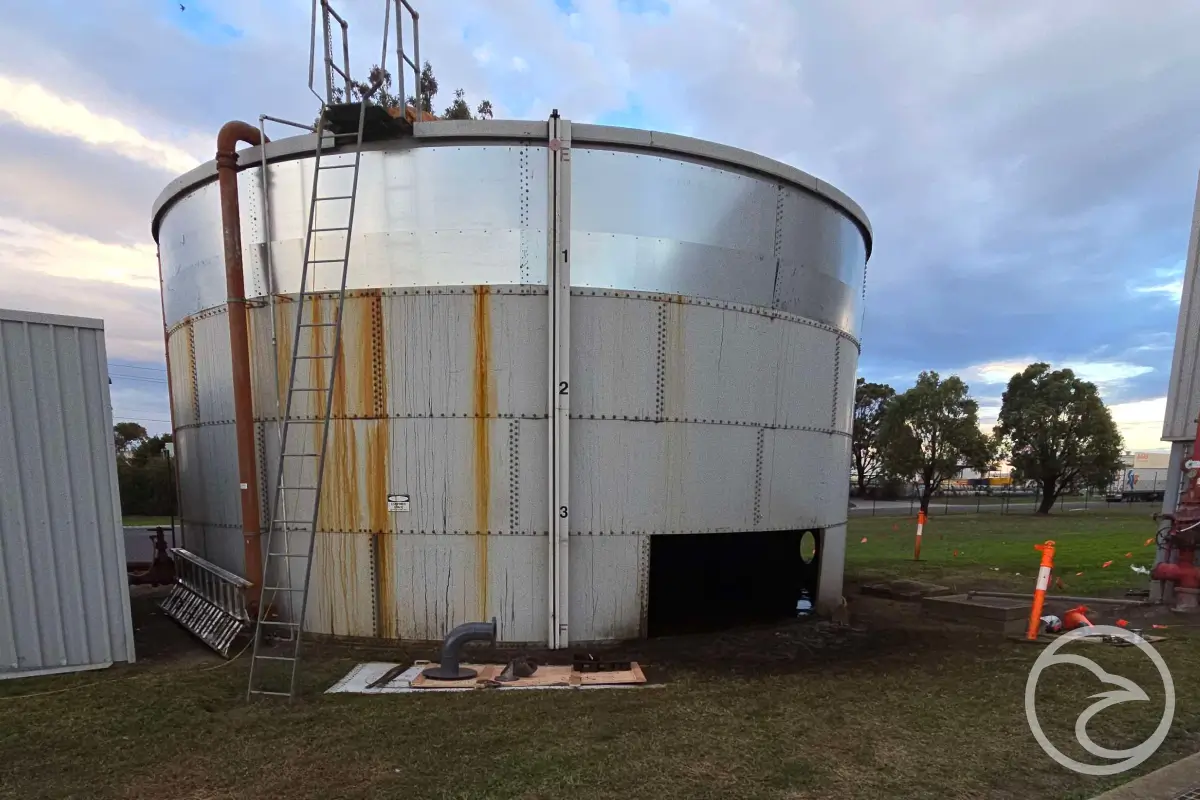
Industries operating in remote or harsh environments rely heavily on water storage tanks, pipelines, and containment systems to support daily operations. These locations often present extreme challenges, including temperature fluctuations, abrasive weather conditions, foundation instability, and limited access to maintenance resources. Understanding leak prevention harsh environments is essential for reducing operational disruptions, safeguarding water supply, and preserving structural integrity in areas where repairs are difficult and downtime is costly.
Harsh environments demand proactive planning, robust material selection, and ongoing monitoring to ensure long-term system performance. When leak prevention becomes part of the design and maintenance strategy, facilities can avoid many of the failures that commonly occur in isolated or demanding regions.
1. Temperature Extremes and Thermal Stress
Remote and harsh regions often experience dramatic temperature swings between day and night or across seasons. These temperature variations cause tank materials, liners, and fittings to expand and contract.
Over time, this thermal cycling may lead to:
- seam separation
- cracking in tank coatings or liners
- gasket deterioration
- increased stress on welds and joints
Monitoring temperature-sensitive components and selecting materials with high thermal resistance are essential elements of leak prevention harsh environments.
2. Limited Access to Regular Maintenance
Remote locations often face logistical challenges that restrict regular maintenance visits. As a result, small issues can grow unnoticed until they become major leaks.
Contributing factors include:
- long travel distances for maintenance teams
- restricted access during certain seasons
- limited tools and resources onsite
- delayed response times
Facilities must therefore prioritise durable design choices and implement remote monitoring technologies to detect early warning signs.
3. Corrosion Accelerated by Harsh Climatic Conditions
Corrosion is one of the most common causes of leaks in water storage and industrial systems. Harsh climates—ranging from extremely dry desert conditions to saline coastal regions—can accelerate corrosion rates.
Contributing factors include:
- airborne salts
- high humidity
- acidic soils
- UV-intense climates
Applying corrosion-resistant coatings, using internal liners, and performing scheduled inspections help reduce long-term leak risks.
4. Foundation Instability and Ground Movement
Unstable terrain is a frequent challenge in remote environments.
Soil conditions may change due to:
- freeze–thaw cycles
- heavy rainfall
- seismic activity
- erosion
- permafrost or shifting sands
Foundation movement can distort tank bases, stress structural frames, and cause misalignment of fittings or pipework — all of which increase the likelihood of leaks. Engineering foundations specifically for local soil conditions is a crucial part of leak prevention.
5. UV Exposure and Material Degradation
Many harsh locations receive intense ultraviolet radiation, particularly arid regions and high-altitude sites.
Over time, UV exposure can degrade:
- tank coatings
- external linings
- polymer components
- seals and gaskets
UV-resistant materials and protective coatings are essential to maintain structural integrity and prevent premature failure.
6. Sediment and Debris Accumulation
In remote areas where filtration options may be limited, sediment and debris can enter storage systems.
As sediment settles, it creates:
- uneven loading on tank floors
- increased internal abrasion
- contamination risks
- pressure shifts that stress internal surfaces
Routine cleaning, sediment monitoring, and the use of strainers or protective screens can significantly reduce leak risks associated with debris accumulation.
7. Wildlife and Environmental Interference
Animals often interact with infrastructure in remote sites.
Tanks and pipelines may be damaged by:
- livestock rubbing against structures
- insects nesting around seals or vents
- birds pecking at exposed components
- rodents damaging insulation or wiring
Design features such as protective mesh, enclosure systems, and reinforced fittings help minimise interference-related leaks.
8. Remote Monitoring and Early Detection Technologies
Since frequent onsite inspections are not always possible, remote monitoring systems play a major role in leak prevention.
Useful technologies include:
- pressure sensors
- fluid level tracking
- acoustic leak detection
- temperature and vibration monitors
- camera systems
Early alerts allow operators to take action before minor irregularities escalate into significant failures.
9. Material Selection for Harsh Conditions
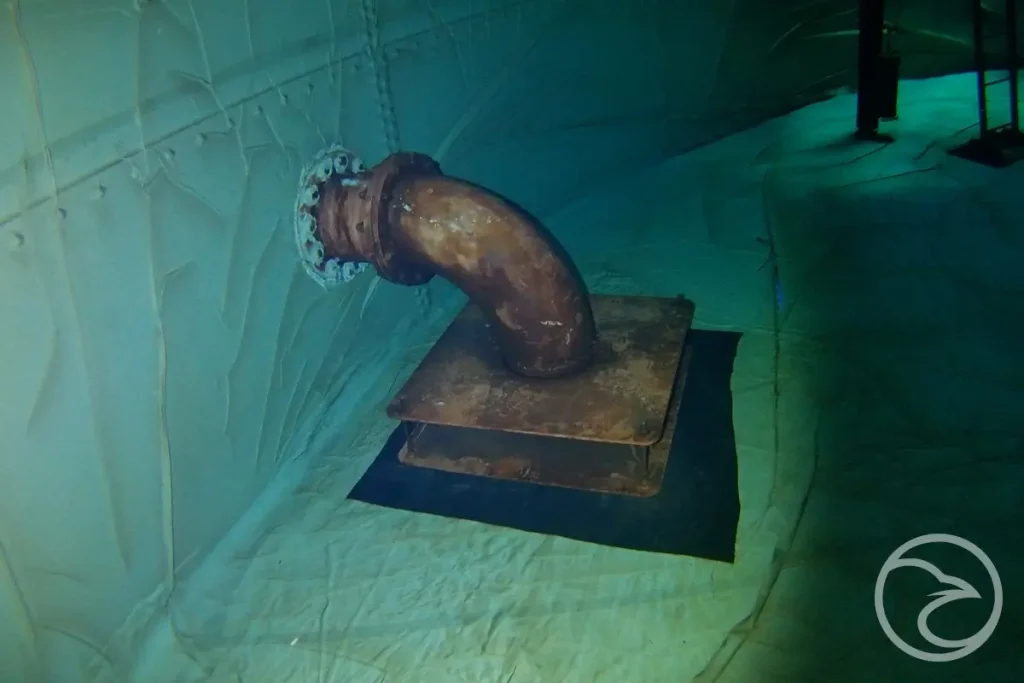
Selecting appropriate materials is one of the most impactful decisions for long-term leak prevention.
Materials suited for harsh environments include:
- corrosion-resistant metals
- UV-stabilised polymers
- flexible, high-tensile liners
- abrasion-resistant coatings
When material choices correspond to local environmental challenges, leak risks are substantially reduced.
10. Proactive Maintenance Planning
Even in remote areas, preventative planning remains critical.
Strategies include:
- maintaining emergency repair kits onsite
- scheduling seasonal inspections
- documenting system changes
- using predictive maintenance tools
Proactive planning ensures that even limited maintenance opportunities are used effectively. These challenges highlight the value of reliable system upkeep solutions, which support long-term leak prevention in demanding environments.
Conclusion
Preventing leaks in remote or harsh environments requires a combination of durable materials, thoughtful design, monitoring technologies, and proactive maintenance strategies. As operators face environmental challenges such as temperature extremes, corrosion, wildlife interference, and limited accessibility, understanding leak prevention harsh environments becomes essential for ensuring reliable system performance.
With early detection and well-planned preventative measures, organisations can protect their infrastructure and avoid costly failures.


