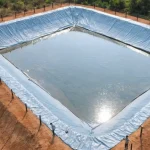
Maintaining water quality in rural storage systems is essential for agriculture, livestock management, property infrastructure, and environmental sustainability. Rural water storage often operates under challenging conditions, including temperature fluctuations, environmental exposure, and variable usage patterns. These factors can gradually influence water clarity, safety, and overall usability.
Understanding how water quality is affected in rural storage environments helps property owners and infrastructure planners maintain reliable water supplies while reducing long-term risks.
Environmental Exposure and its Impact on Stored Water
Unlike controlled urban storage infrastructure, rural water systems are often exposed to open environmental conditions. Dust, organic matter, seasonal vegetation changes, and wildlife interaction can all influence water quality over time.
Common environmental influences include:
- airborne particles and sediment entry
- organic material accumulation
- temperature-driven biological activity
- weather-related runoff entering storage areas
Awareness of these factors allows operators to anticipate changes and implement practical monitoring strategies.
Temperature Fluctuations and Water Stability
Temperature variation is one of the most influential environmental factors affecting rural water storage. High temperatures may encourage biological growth, while sudden temperature changes can influence water chemistry stability.
Seasonal heat cycles, prolonged sunlight exposure, and regional climate conditions can all affect stored water characteristics. While these changes are often gradual, monitoring seasonal patterns helps maintain consistent storage quality.
Proper storage design and periodic assessment support more stable long-term conditions.
Infrastructure Conditions and Storage Performance
The physical condition of storage infrastructure also contributes to water quality outcomes. Structural integrity, containment reliability, and environmental protection measures all play a role in maintaining consistent water conditions.
Factors that may influence storage performance include:
- surface condition of storage structures
- exposure to surrounding soil or environmental contaminants
- structural aging or material fatigue
- maintenance history and inspection frequency
General information about water containment protection approaches can provide useful context when evaluating long-term infrastructure reliability.

Operational Practices and Usage Patterns
How rural water storage is used can also affect quality. Frequent water turnover, seasonal usage changes, and varying demand levels may influence water stability.
Typical operational considerations include:
- irrigation cycles and seasonal usage
- livestock access patterns
- infrastructure maintenance activities
- changing storage requirements over time
Understanding these patterns helps property owners align storage practices with water quality goals.
Supporting Reliable Rural Water Storage
Maintaining water quality in rural storage environments involves balancing environmental awareness, infrastructure reliability, and practical operational habits. While rural conditions can be variable, informed monitoring and thoughtful management help maintain consistent water availability over time.
Understanding how environmental factors, infrastructure conditions, and operational practices interact supports safer, more sustainable rural water storage strategies.