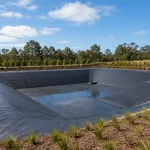
Pool liners play an important role in protecting swimming pool structures. They help prevent water leakage and reduce surface deterioration over time. However, liners gradually wear down under constant environmental exposure. Temperature changes, chemicals, and sunlight slowly affect material performance.
Small liner problems may eventually become expensive structural issues. This can increase maintenance costs and reduce pool reliability.
Recognizing early pool liner replacement signs helps facilities maintain safer and more efficient swimming pool systems.
Why Pool Liners Matter
Pool liners help protect internal pool surfaces from water damage. They also improve durability and simplify maintenance procedures.
Well-maintained liners support:
- improved water containment
- reduced structural damage
- better surface protection
- easier cleaning
- longer pool lifespan
Damaged liners may affect both appearance and operational performance. Many commercial facilities install pool liners to improve long-term water protection and reduce structural deterioration.
Why Pool Liners Deteriorate Over Time
Pool liners experience continuous exposure to demanding conditions. Water pressure and environmental stress gradually weaken materials.
Several factors contribute to liner deterioration, including:
- UV exposure
- pool chemicals
- temperature fluctuations
- aging materials
- poor maintenance
Regular inspections help identify early signs of wear before major damage develops.
Visible Cracks and Surface Damage
Visible surface damage is one of the most common warning signs. Small cracks may eventually expand under operational pressure. Damaged surfaces often reduce water protection effectiveness. Moisture may begin reaching underlying structural materials.
Common liner damage signs include:
- cracking surfaces
- peeling sections
- punctures
- blistering
- worn protective layers
Ignoring visible damage may increase long-term repair costs significantly.
Fading and Discoloration
Sunlight and chemical exposure often affect liner appearance over time. Fading may indicate declining material performance. Discolored liners sometimes become more brittle and less flexible. This increases the risk of cracking and separation.
Common appearance-related warning signs include:
- uneven coloring
- faded surfaces
- chalky textures
- brittle material
- rough surface areas
Routine inspections help identify aging materials before serious deterioration develops.
Water Leakage Around the Pool
Leaks often indicate developing liner problems inside the pool structure. Even small leaks may suggest larger hidden issues. Facility managers may notice damp areas surrounding the pool. Persistent moisture should always be investigated quickly.
Potential risks associated with leakage include:
- structural weakening
- water loss
- mold growth
- increased repair costs
- surrounding surface damage
Early detection helps reduce long-term maintenance risks.
Wrinkles and Loose Sections
Wrinkles may develop as liners lose structural tension over time. Poor installation or material aging sometimes contributes to this issue. Loose liner sections may trap debris and moisture. This can increase surface wear and cleaning difficulties.
Common structural warning signs include:
- surface wrinkles
- loose corners
- uneven liner sections
- shifting materials
- trapped air pockets
Professional inspections help determine whether repairs or replacement are necessary.
Increased Maintenance Problems
Older liners often require more frequent maintenance and repairs. Recurring issues may indicate declining liner performance.
Maintenance teams may notice:
- repeated patch repairs
- ongoing leakage
- recurring discoloration
- material brittleness
- surface deterioration
In many situations, replacement becomes more cost-effective than constant repairs.
Water Quality Concerns
Damaged liners may eventually affect pool water quality conditions. Surface deterioration can increase contamination risks over time.
Potential water quality concerns include:
- sediment buildup
- algae growth
- unpleasant odors
- cloudy water
- chemical imbalance
Maintaining liner condition supports cleaner and safer swimming environments.
Why Early Replacement Matters
Small liner problems rarely improve without maintenance intervention. Delaying replacement often increases structural and operational risks.
Early replacement provides several advantages:
- improved water protection
- reduced repair costs
- better structural stability
- lower maintenance demands
- longer pool lifespan
Preventive maintenance usually reduces long-term infrastructure expenses.
Final Thoughts
Pool liners help protect swimming pool structures from moisture damage and deterioration. However, environmental exposure and aging gradually affect liner performance. Cracks, fading, leakage, wrinkles, and seam separation often indicate developing problems. Ignoring these warning signs may increase repair costs and operational risks.
Recognizing early pool liner replacement signs helps facilities maintain safer and more reliable swimming pool systems. As maintenance standards continue evolving, proactive liner inspections and timely replacement remain increasingly important.