Spill bunds are essential for containing hazardous liquids and preventing environmental damage. Their effectiveness depends on regular inspection and maintenance.
Without proper checks, small defects can lead to leaks, contamination, and compliance issues.
A structured inspection checklist helps identify risks early and maintain system performance.
Why Spill Bund Inspections Matter
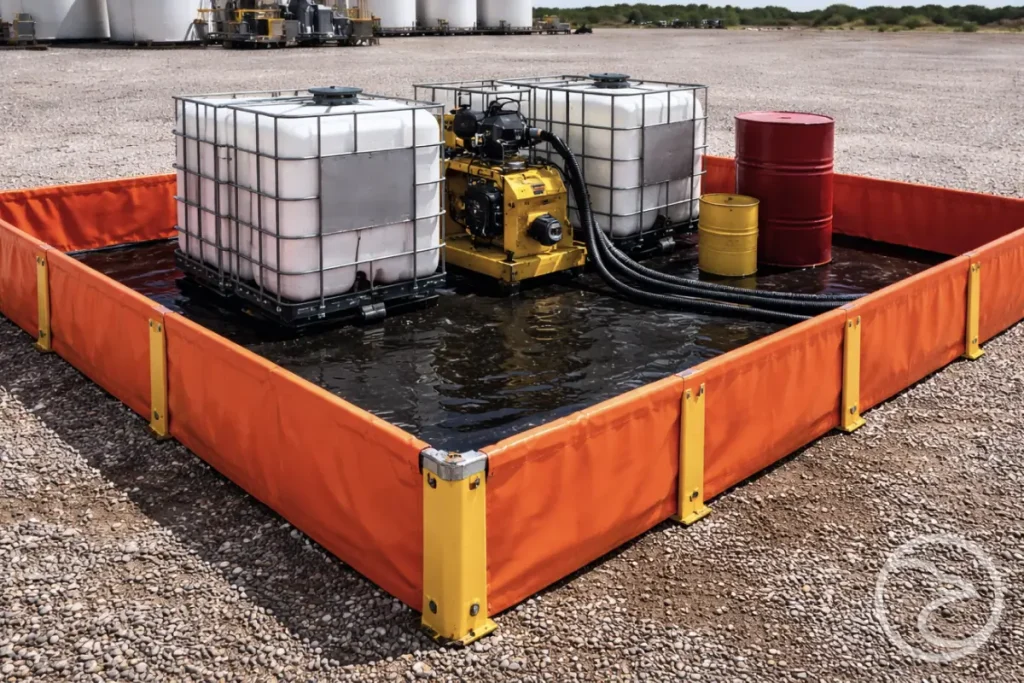
Spill bunds act as a secondary containment system. They protect surrounding areas from leaks and spills. If a bund fails, it can result in environmental damage, safety risks, and costly penalties.
Regular inspection ensures spill bunds remain compliant and fully functional.
How Often Should Spill Bunds be Inspected?
Inspection frequency depends on usage and environmental conditions.
General recommendations include:
- monthly visual inspections
- quarterly detailed checks
- annual compliance inspections
Additional inspections should follow spills, heavy rainfall, or system changes.
Spill Bund Inspection Checklist
A structured checklist ensures no critical area is overlooked.
1. Check for Cracks and Structural Damage
Inspect the bund walls and floor for visible damage.
Look for:
- cracks or fractures
- surface deterioration
- signs of wear
Even small cracks can lead to leaks over time.
2. Inspect for Liquid Build-Up
Bunds should remain free of standing liquid unless a spill occurs.
Check for:
- accumulated rainwater
- chemical residue
- oily surfaces
Standing liquid reduces containment capacity.
3. Examine Joints and Seals
Joints are common weak points in containment systems.
Inspect for:
- gaps or separation
- degraded sealant
- visible leaks
Damaged seals must be repaired promptly.
4. Check Drainage Systems
Drainage systems must function properly to prevent overflow.
Ensure:
- valves are secure
- drains are not blocked
- no uncontrolled discharge occurs
Improper drainage can lead to compliance issues.
5. Assess Capacity and Clearance
Spill bunds must maintain sufficient capacity for containment.
Check:
- no obstructions inside the bund
- stored items do not reduce volume
- compliance with capacity requirements
Overloaded bunds cannot perform effectively.
6. Inspect for Corrosion and Material Degradation
Exposure to chemicals can weaken bund materials.
Look for:
- rust or corrosion
- discoloration
- surface breakdown
Material degradation reduces containment reliability.
7. Review Surrounding Area
External factors can impact bund performance.
Check for:
- ground movement
- nearby construction activity
- debris accumulation
Environmental conditions should not compromise the structure.
Signs that Immediate Action is Required
Some issues require urgent attention.
Watch for:
- visible leaks or seepage
- strong chemical odors
- damaged walls or flooring
- rapid liquid accumulation
These signs indicate a high risk of containment failure.
Common Inspection Mistakes to Avoid
Many facilities overlook critical details.
Avoid:
- skipping scheduled inspections
- ignoring minor cracks
- failing to document findings
- delaying repairs
Consistent monitoring prevents long-term issues.
Best Practices for Spill Bund Maintenance
To maintain compliance and performance:
- follow a structured inspection checklist
- document all inspections
- train staff on early warning signs
- address issues immediately
- schedule professional assessments
A proactive approach ensures long-term reliability.
Conclusion
Spill bund inspections are essential for preventing leaks and ensuring compliance. Small issues can quickly escalate if ignored. Regular inspections, proper maintenance, and timely action protect both the environment and your facility.