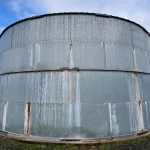
Water storage systems are designed to provide reliable service for decades. However, exposure to moisture, oxygen, temperature fluctuations, and chemical interaction creates ongoing risk of material degradation. Effective corrosion prevention in water storage systems is essential to maintain structural integrity, water quality, and regulatory compliance.
Without a proactive strategy, corrosion can quietly weaken tank components and reduce operational performance over time.
Why Corrosion is a Persistent Risk
Water storage tanks—whether steel, concrete, or panel-based—operate in environments that naturally promote corrosion. Even treated or potable water contains dissolved oxygen and minerals that contribute to oxidation.
Key corrosion drivers include:
- Continuous moisture exposure
- Dissolved oxygen in stored water
- Sediment accumulation
- Microbiological activity
- Temperature cycling
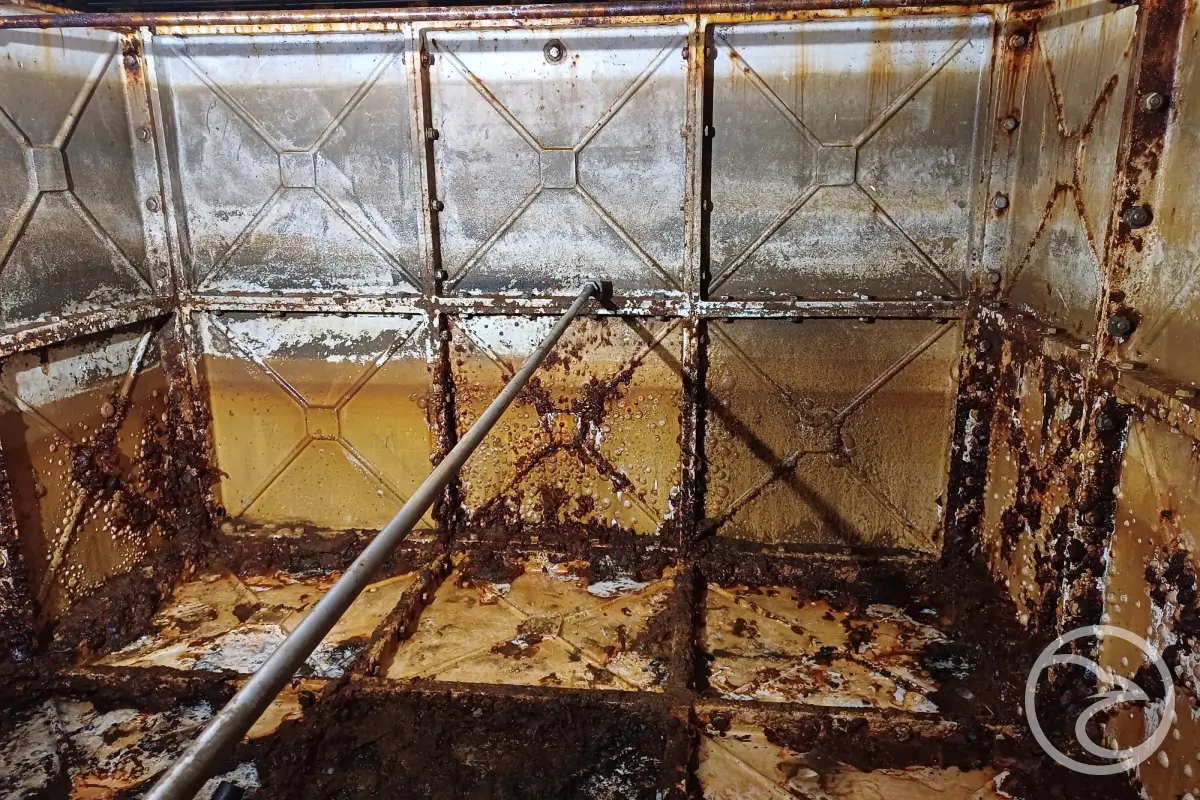
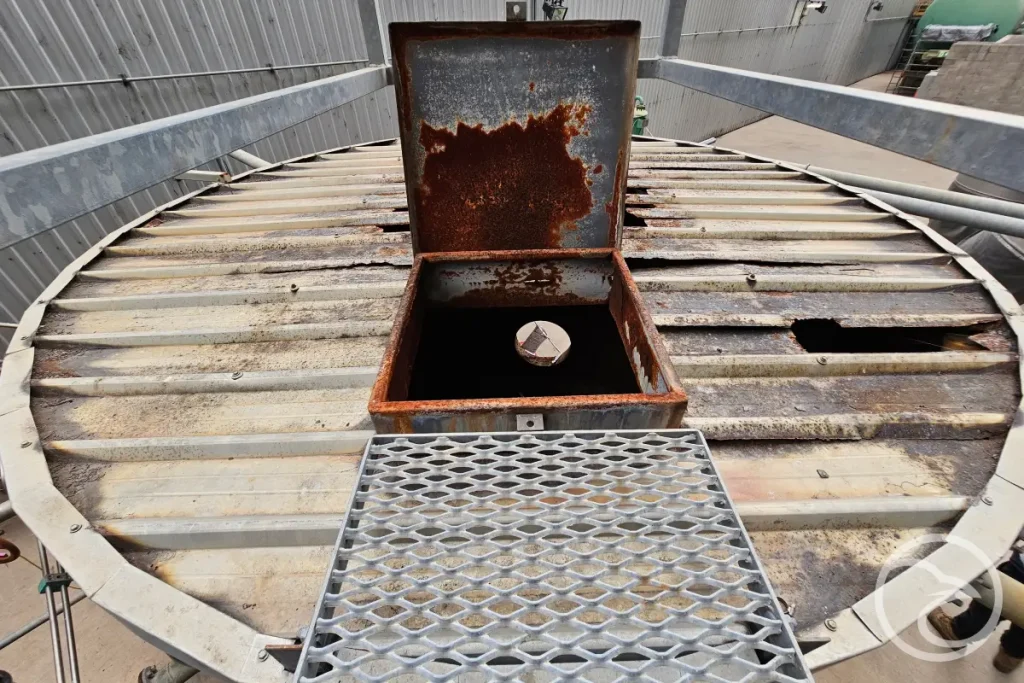
Over time, these factors lead to surface pitting, metal thinning, coating breakdown, and structural fatigue.
Common Types of Corrosion in Storage Tanks
Understanding corrosion patterns helps facilities select the right prevention methods:
- Uniform Corrosion: This occurs evenly across exposed surfaces and gradually reduces wall thickness.
- Pitting Corrosion: Localized corrosion forms small but deep cavities, which can penetrate structural walls and cause leakage.
- Crevice Corrosion: Develops in joints, seams, and bolted connections where moisture becomes trapped.
- (MIC) Corrosion : Certain bacteria accelerate corrosion by producing corrosive by-products in stagnant water environments.
Each corrosion type requires targeted prevention measures.
Protective Coatings and Internal Linings
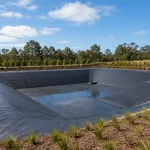
One of the most effective methods of corrosion prevention in water storage systems is the application of protective internal barriers. These coatings or flexible lining systems create separation between stored water and the tank structure.
Benefits of internal protection include:
- Reduced metal exposure
- Improved resistance to chemical interaction
- Enhanced surface smoothness
- Lower risk of structural degradation
Proper surface preparation and professional installation are critical to ensure long-term performance of protective systems.
Cathodic Protection Systems
In steel tanks, cathodic protection provides an additional layer of defense. This method uses sacrificial anodes or impressed current systems to redirect corrosive electrical reactions away from the tank shell.
Cathodic protection is particularly effective in:
- Underground storage tanks
- Large-diameter steel reservoirs
- High-humidity environments
When combined with internal coatings, it forms a comprehensive corrosion control strategy.
Water Chemistry Management
Maintaining stable water chemistry is another important element of corrosion prevention. Adjusting pH levels and controlling mineral content reduces aggressive chemical reactions within the tank.
Water quality monitoring programs may include:
- Regular pH testing
- Dissolved oxygen measurement
- Sediment level tracking
- Bacterial presence assessment
Balanced water conditions slow oxidation and help preserve protective coatings.
Structural Design Considerations
Effective corrosion prevention begins at the design stage. Engineering decisions influence long-term durability.
Important design elements include:
- Proper drainage systems
- Adequate ventilation
- High-quality joint sealing
- Selection of corrosion-resistant materials
In modular systems, attention to panel alignment and bolt integrity reduces moisture retention and crevice formation.
Additional information about professional tank restoration solutions is available in our main repair section.
Long-Term Cost Benefits
Investing in corrosion prevention in water storage systems significantly reduces lifecycle costs. Proactive measures help avoid:
- Structural rehabilitation
- Emergency tank shutdowns
- Environmental liability risks
- Costly full tank replacement
By extending service life and minimizing repair frequency, corrosion prevention improves infrastructure sustainability.
Final Thoughts
Corrosion is an unavoidable challenge in water storage systems, but it is manageable through strategic planning. Combining protective coatings, cathodic protection, water chemistry control, and regular inspections provides a comprehensive defense against material degradation.
Facilities that prioritize corrosion prevention not only protect structural assets but also ensure safe, reliable water storage for years to come.