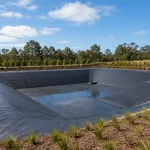
Portable water storage systems are widely used across industrial, agricultural, mining, and emergency applications. Many projects require temporary storage solutions that are flexible, reliable, and easy to transport.
Onion tanks and bladder tanks are two common options for temporary liquid storage. Both systems support portable containment, but their designs and applications differ significantly. Understanding these differences is important when comparing onion tanks vs bladder tanks for temporary storage applications.
Businesses comparing onion tanks and bladder tanks often evaluate deployment speed, storage capacity, and operational flexibility. Understanding the differences between these systems can help support better storage planning.
Understanding Onion Tanks
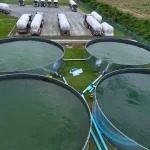
Onion tanks are open-top portable storage systems designed for rapid deployment. Their self-supporting frame allows the tank walls to rise automatically during filling. These tanks are commonly used for temporary water storage and emergency response operations.
Common onion tank applications include:
- Firefighting water storage
- Construction projects
- Mining operations
- Agriculture and irrigation
- Disaster response planning
Open-top access can improve filling efficiency and simplify temporary site operations.
Understanding Bladder Tanks
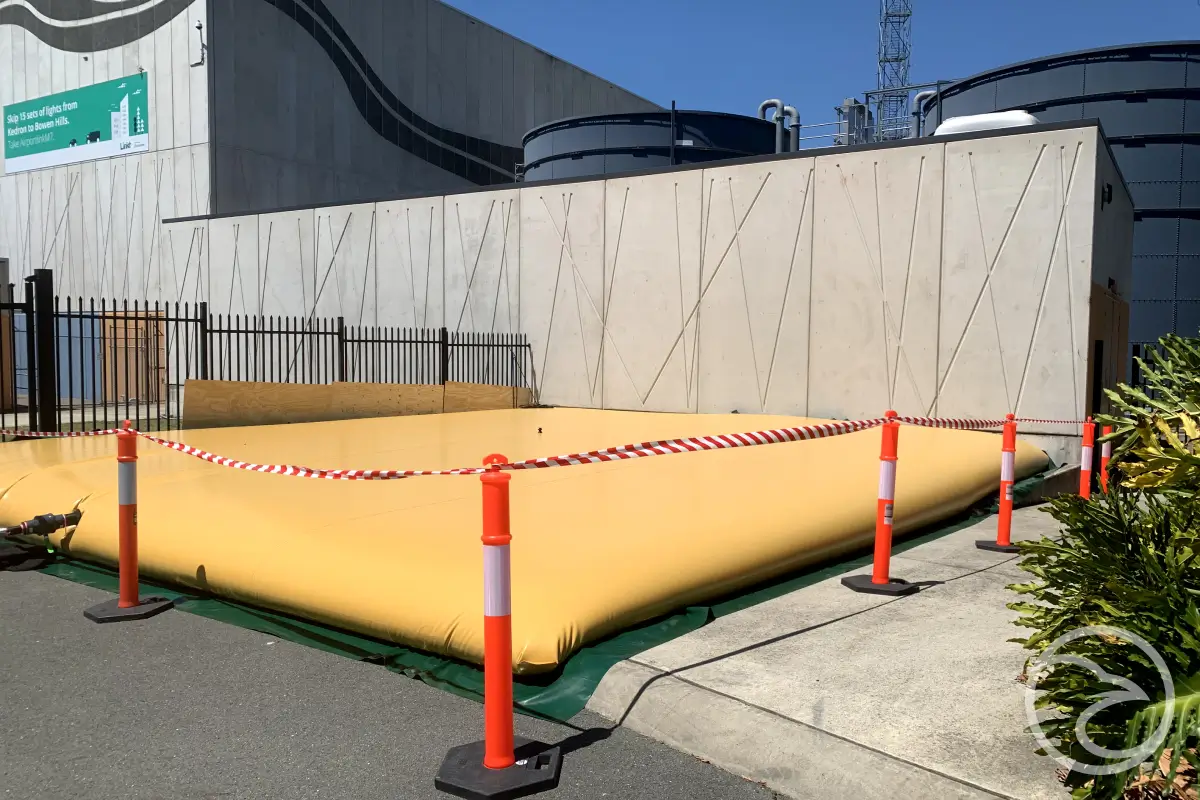
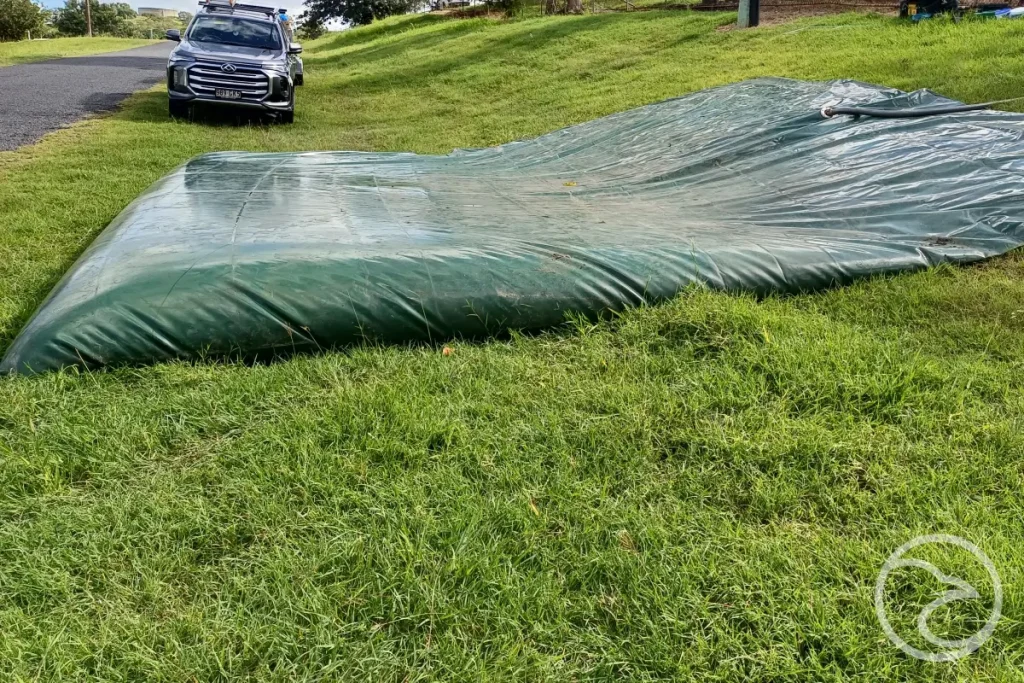
Bladder tanks are enclosed flexible storage systems designed for liquid containment. They expand and collapse depending on storage volume. Their enclosed design helps protect stored liquids from external contamination.
Common bladder tank applications include:
- Potable water storage
- Fuel storage
- Wastewater containment
- Remote industrial operations
- Temporary liquid transport
Bladder tanks are often used where enclosed storage is preferred.
Differences in Tank Design
Tank design is one of the biggest differences between these storage systems. Onion tanks use an open-top structure supported by flexible sidewalls.
Bladder tanks use a fully enclosed collapsible design. These design differences affect operational use and deployment conditions.
Key design differences include:
- Open-top versus enclosed storage
- Self-rising walls versus collapsible expansion
- Different filling and drainage methods
- Different contamination protection levels
- Different transport configurations
Storage requirements often determine which system is more suitable for specific projects.
Deployment and Setup Differences
Both storage systems support temporary deployment, but setup methods vary. Onion tanks are known for fast deployment during emergency operations.
Their self-supporting design allows quick setup on prepared ground surfaces. Bladder tanks also support rapid deployment but require careful positioning during filling.
Deployment considerations may include:
- Site accessibility
- Ground preparation
- Storage volume requirements
- Liquid type
- Operational duration
Portable systems help improve operational flexibility across temporary projects.
Storage and Transport Considerations
Transport efficiency is important for temporary storage systems. Both tank types can be folded and transported between locations.
However, storage methods differ slightly because of structural design variations. Bladder tanks typically collapse into compact storage sizes when empty.
Onion tanks also support portable transport but may require additional frame support during deployment. Portable systems support industries operating across remote and changing project environments.
Liquid Protection and Containment
Containment requirements can influence storage system selection. Bladder tanks provide enclosed storage that helps reduce contamination risks.
This makes them suitable for potable water and sensitive liquid storage. Onion tanks provide open-top storage for applications requiring rapid water access.
Containment considerations may include:
- Water quality protection
- Environmental exposure
- Fuel or chemical storage
- Emergency access requirements
- Site safety conditions
Storage conditions often determine which containment method is more appropriate.
Applications Across Different Industries
Both storage systems support a wide range of industries. However, certain applications may favour one design over another.
Onion tanks are commonly used for:
- Firefighting support
- Dust suppression
- Temporary water containment
- Emergency response operations
Bladder tanks are commonly used for:
- Potable water storage
- Fuel containment
- Wastewater management
- Remote site liquid storage
Different operational requirements influence storage system selection.
Environmental and Site Conditions
Environmental conditions can affect temporary storage system performance. Australian projects often involve harsh operating environments and remote locations.
Storage systems may experience:
- UV exposure
- Temperature variation
- Wind exposure
- Heavy rainfall
- Uneven ground conditions
Durable materials help improve long-term reliability under demanding conditions.
Choosing the Right Portable Storage System
Storage requirements vary between industries and project types. Some operations prioritise rapid water access and deployment speed. Others focus on contamination protection and enclosed containment.
Several factors may influence storage system selection:
- Liquid type
- Storage duration
- Site accessibility
- Environmental conditions
- Transport requirements
Understanding project requirements helps improve temporary storage planning and operational efficiency.
The Importance of Flexible Temporary Storage
Portable water storage solutions continue supporting industries across Australia. Both onion tanks and bladder tanks provide valuable temporary containment solutions for changing operational environments. Their portability and deployment flexibility support remote operations, emergency response planning, and temporary infrastructure projects.
Understanding the differences between onion tanks vs bladder tanks helps improve temporary storage planning across many industries.